


As most of the planet is at home right now, it’s a good time to spend on ourselves, our self-growth & self-love! Doing some work that we’ve put aside due to time constraints might not hurt too. Yes, we know about your unedited file of images from your trip in 2015 Luckily, we talked with the best in the industry on how to keep your adventurous spirit in check, while in the comfort of your couch.
Read all the tips & tricks we’ve gathered here:
Looking for something to watch? Check out this collection of adventure films by our Ambassadors
Adventure films with Anthony Gordon
For all those that are looking to watch some adventure while they are at home, f-stop Ambassador Anthony Gordon has loaded a series of his films for your enjoyment and to help you get a little bit of adventure in your lives.
You can find the films here: https://vimeo.com/showcase/6898089

Onboard Documentary by Antonin Michaud-Soret
Antonin’s latest documentary is now available for purchase. The documentary is about the mythical bicycle race: Transcontinental Race. 4000km across Europe, without assistance, in autonomy. The first take it in less than 9 days.
In this documentary, there is everything Antonin, the director, has collected about a cyclist who fights a very personal battle simply to complete the race.
You can find the full documentary here: https://vimeo.com/ondemand/onboardtcr

Short films about Covid-15 by Nicolai Brix
f-stop Ambassador Nicolai, and his team, had an idea on Thursday 19th of March, wrote the scripts the following day and went out shooting during the weekend. So this week he will be posting 5 free short films to raise the awareness of the importance of staying home during the Covid-19 pandemic.
Each day he will be posting a new film in the same folder, so make sure to check them out.
Warning: Some of the scenes contain strong language and scenes with horror nature.

Stay up to date with the latest news in the industry
Daily podcasts with Gonzalo Manera
f-stop Ambassador Gonzalo Manera is having weekly podcasts where he interviews photographers, where they talk about… well, everything.
You can find his podcasts on the following links:
Note: The podcasts are on Spanish
https://visualuniversity.com/

Self-growth, and learning something new is always good, so we have gathered a couple of book/eBook recommendations that you can read while at home.
The tattooed ladies of the Lai Tu Chin by Dylan Goldby
f-stop Ambassador Dylan Goldby is giving you an insight into 128 pages of photographs and information on the tattooed ladies of the Lai Tu Chin people in Myanmar. All proceeds go towards developing education systems and providing clean drinking water to the Lai Tu Chin people.
You can find the book here: https://www.dylangoldby.com/shop/

"Photographing Through the Seasons" by Photo Cascadia
As part of Photo Cascadia, f-stop Ambassador Adrian Klein wants to share a book from Photo Cascadia called “Photographing Through the Seasons”. This book reverses the usual approach of a location guide. Rather than beginning with a destination, they begin with a season and recommend areas in the western United States that are likely to be highly photogenic at that time of year.
You can find the eBook here: https://www.photocascadia.com/store/photographing-through-the-seasons/

Latest e-books by Matthew Vandeputte
For all of those that are looking to increase your passive income or learn more about timelapse photography, f-stop Ambassador Matthew Vandeputte has the right thing for you. He published 3 eBooks “Passive Income for Creatives”, “The Ultimate Timelapse guide”, and “The Astro Timelapse guide” where he gives you all of his insights about these subjects.
You can find the eBooks on the link here: https://matjoez.myshopify.com/
To get $10 off your purchase of the “Passive Income for Creatives” eBook, use the code “fstop” during checkout.


Improve your landscape photography with David Cobb
You can improve upon your garden landscape photography work and your macro flower photography skills by learning a variety of tips and techniques for photographing in the garden with this easy-to-use eBook from f-stop Ambassador David Cobb. Spring is here, so why wait!
You can find the eBook here: https://dmcobbphoto.com/shop/ebooks/100-tips-to-improve-your-flower-and-garden-photography/

Editing photos with Michal Krause
In these quiet times when everyone is staying home f-stop ambassador Michal Krause has published 3 eBooks that are a perfect way to fulfill your free time and read some quality content.
In his books, you can find everything from editing and retouching photos, work with layers, compose panoramas and efficiently using Lightroom tools.
You can find the full set of books here: https://www.michalkrause.com/e-knihy/
Important note: The books are on Czech


"Location Lighting" & "A Professional Photographer's Workflow" by Michael Clark
If you are looking to take your photography to the next level and want to incorporate artificial lighting into your images, or maybe learn about the main topics of a shooting workflow that moves into a raw processing workflow with Adobe Lightroom CC [2015] and Photoshop CC, then these books from f-stop Ambassador Michael Clark will give you all the tools to do just that.
You can find the eBooks on the following links here:
EDUCATIONAL TUTORIALS
Our Ambassadors have a variety of free and paid online educational tutorials that will help you to improve your skills. Here are some of them.
Online Tutorials by Sean Bagshaw
f-stop Ambassador Sean Bagshaw has produced a wide range of tutorials teaching landscape photography post-processing with Photoshop, The TK Panel, and Lightroom. His YouTube channel features over 7 years of free short format tutorials on a variety of topics. My long-format courses cover topics such as getting started with Photoshop, Lightroom Essentials, Complete Developing Workflow, Photoshop Techniques, Luminosity Masks, and TK Panel Video Guides. I am donating 25% of the income from my courses during the coronavirus crisis to help victims and families in my state.
You can find his YouTube Channel here: http://www.youtube.com/seanbagshaw
You can find his long-format courses here: https://www.outdoorexposurephoto.com/video-tutorials/video-tutorials/


Online masterclasses with William Patino
From setting up your camera, techniques in the field and detailed post processing, Wills 'Into The Light' series is a 7-episode masterclass from f-stop Ambassador William Patino which covers just about everything to do with landscape photography and how to create impactful images. See how images were made step-by-step out in the field and then processed in Photoshop. Each episode progresses in technical difficulty, covering mountains, seascapes, forests, waterfalls, astro and much more. Raw files and show notes are also included. Will also has two separate, advanced processing tutorials available, showcasing essential effects and methods in Photoshop, using his simple and unique techniques which yield awesome results.
You can find the tutorials here: https://williampatino.com/photography-tutorials/
Online tutorials by Hudson Henry
f-stop Ambassador Hudson Henry is sharing (free of charge) 2 video tutorials about Finding the No-Parallax-Point and the Exposure Triangle. In the first video he will show you how to mount your camera in the precise position to make capturing even the most advanced panoramas easy. In the second video he will go in depth through each of the three variables that interact to properly expose an image.
You can find the videos on the following links:


An online course by Veronica Lanza
Join f-stop Ambassador Veronica Lanza during the recording of a concert and learn how to strategically adapt during the recording of something that only happens once: an event. This course is for you if you have a basic understanding of audiovisual language and video filming.
You can find the course here https://www.crehana.com/cursos-online-produccion/produccion-de-video-para-eventos/
Important note: The course is on Spanish
Online tutorials by Michael Clark
Besides the eBooks, Michael has a couple of online tutorials that you might find useful. One of them is setting up a practical and efficient workflow with your photography, and learning about what you want to edit on the image before you even take the shot.
You can find the tutorial here: https://www.creativelive.com/class/the-professional-photographers-digital-workflow-michael-clark

ONLINE CLASSES AND WORKSHOPS
No matter what you are trying to learn, our Ambassadors have the right knowledge for you. You can find some of our Ambassador classes and workshops below.

Film classes with Chris Prescott
f-stop Ambassador Chris Prescott is offering online teaching on one to one basis. With over 10 year’s experience working within the outdoor film industry and having taught for Sony and Edinburgh University Chris is happy to cover a wide range of topics.
You can find out more about the online lessons here: https://www.darksky-media.com/teaching
Online courses with Gonzalo Manera
f-stop Ambassador Gonzalo Manera is giving online courses under the Visual University. At the moment two are done by him, a technical introduction to video and a workflow and asset management course. As an addition to this interesting course, he offers a 25% discount code on everything for all the f-stop readers. The code is FSTOP25 to be included at checkout.
You can find the courses here:
Important note: The courses are on Spanish
David Clifford has been shooting since his parents gave him a Kodak 110 camera when he was about 8 years old. David’s main passion is analog photography, of which he is a master, he has many other photography passions. At home, he has treasures hidden away that would make every passionate photographer a little jealous. He welcomed us at his home, and we got a glimpse of what his life looks like behind the scenes.
David is a photographer/videographer with many talents and interests. As a result, he’s acquired quite an impressive collection of cameras and lenses. He’s also collected different f-stop packs throughout the years! Let us give you some examples of equipment he has and carries.
His main pack is the TILOPA 50L where he usually has his Nikon kit with 4-5 lenses which are mostly prime lenses. His second most used pack is an AJNA 37 L which carries his Sony kit or video kit. He also prefers the Ajna and its smaller dimensions as a light day pack for the mountains. Sometimes he brings it to his kids’ baseball games.
He is still using one of his first f-stop gear packs! The Ando 18L Shoulder Bag and he still loves it as a day-to-day pack. In the Florentin 11 L Shoulder Bag, he stores his CHAMONIX analog camera for 4 by 5 prints along with 1-2 lenses, film, and a handheld Sekonic meter.
When traveling you'll likely meet him with the Dyota 20 Rolltop. With the two side access zippers he usually carries his Sony or the Z6 camera and a lens on one side. On the other side access, he usually has a 70-200 lens. In the back, he has his laptop and passports for him and his son.
David is a well-rounded professional. He juggles commitments to his three kids and wife with quite a variety of jobs. With a deep knowledge of photography, he’s built up a broad spectrum of professional assignments from editorial work, portraits, events, commercial work, landscape, and video.
One of the biggest advantages to having everything in your garage is you can quickly repurpose ( as David loves doing) the garage and driveway into an outdoor studio! He has all the gear and cameras at hand so he doesn't need to carry anything far. With his son playing tennis in the background and his dog saying hi or playing with the models, it can seem a bit chaotic. David even uses a leaf blower as a wind machine. The working environment might be different than in a studio, but when watching David at work he is super focused. Nothing distracts him.
After a successful portrait shoot, David turned his attention to a client’s request to find an image the client lost. Over David’s 20 years in the professional, he’s accumulated quite a few hard drives. The client’s lost image is from a project several years ago, and David combed through 63 different hard drives looking for it. One of the challenges confronting David is matching the hard drive with the right cables. The technology of storage systems, cables, and photography has changed a lot throughout the years. Just watching him find the right cables for his hard drives gave Lena an idea of how long he has been active in the industry.


For David, it's all about staying adaptable. The modularity of the f-stop system allows David to customize his camera kit and bag for each shoot.
For his 150-year-old lenses - which he uses for his 8x10 wetplates - he even had a custom lens cap made by a friend in Ukraine. One of his favorite pieces of gear is his “Cyclops.” “This is a 165mm f 1.8 lens that shoots up to 5x7 inch and a little bit of vignetting at 8x10 inches - just amazing," he says. For storing his lens he configures the f-stop camera inserts and adds additional dividers to the sides for additional padding. In the padded camera Insert he adds extra protection for the lens. Next to the lens, he adds a bag full of silica gels and some cloth with additional bubble wrap to keep any moisture out and protect his gear. His kids call all that “dedication”.
One main piece of advice for packing he would give is "You’ve got to accessorize". For example, f-stop accessory pouches help David stay organized and keep gear accessible and easy to reach. He would tell you, "One can never have enough camera inserts." The Micro Tiny camera Insert fits his 4x5 inch shots perfectly! It’s even better for David to have two of them to separate films he’s not used to from films he needs to develop.
One of the main challenges of still working with "old arts" is that it takes a lot of skill and precision. Another challenge is the equipment he needs. The chemicals needed to develop photos are quite expensive, and sometimes lenses and cameras are very hard to find.
The time and skill needed for creating wet plate portraits are usually not clear to potential clients. Some clients shy away from these projects due to the cost. One portrait needs to be photographed with precision and afterward developed in a portable darkroom on location. David plans to transform a camping trailer into a darkroom to make wet plate projects more accessible.
You will notice the spark in his eyes when David shows you his treasures. With artists like David, the wet plate or analog photography is still practiced and lives on! Even after years and years of doing photography, he is proud of his work and still very much enjoys it. When sometimes things don't work out as planned David, just shrugs his shoulders. "Well - You got to make the best of it,” and he moves on to the next fun project.
Marcello Cavalcanti is a pro landscape photographer, teacher and tour leader for photography workshop trips.
Recently he led a tour with 9 photographers to beautiful Guatemala, where you can get up and close with Fuego’s Volcano (Vulcán de Fuego), a stratovolcano with 3.763 meters high (12,345 ft) that spills ash, plume and lava every 10-15 minutes, sometimes longer, sometimes shorter.
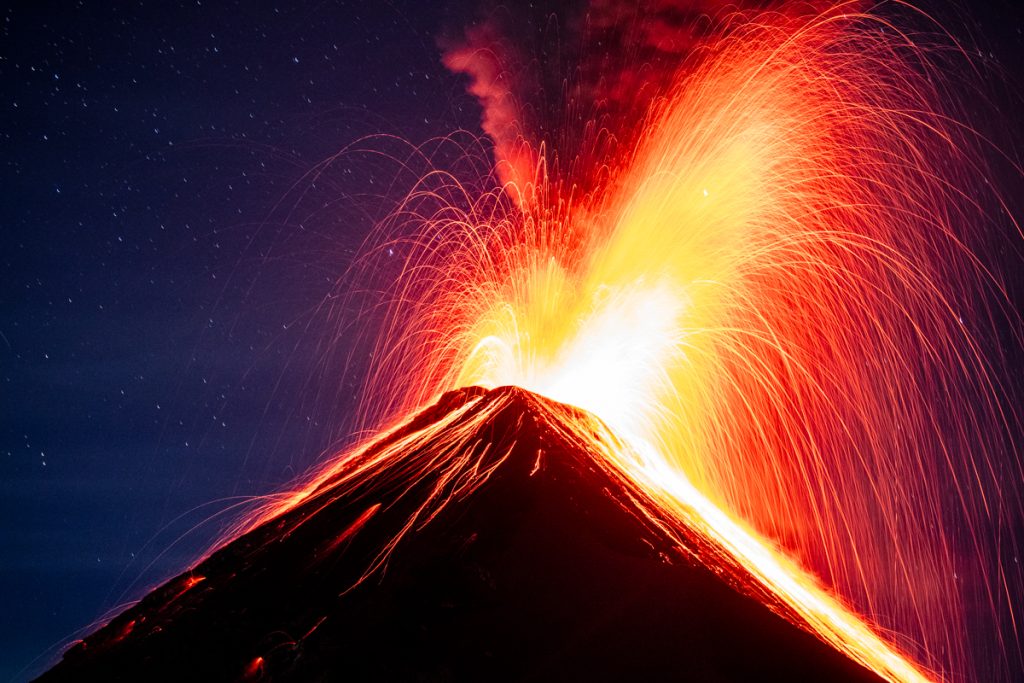
To shoot this volcano with the best possible view, he took his group to hike another volcano (this one, inactive, of course), called Acatenango, that gives you amazing views of Fuego, and in a very close position - they are aparted 2 km (6500 ft) away!
So, one important thing to know about volcanoes is that if they don’t make a lava river (like Fuego) you can’t see much during the day, unless a lot of smoke comes out of its mouth; the pictures of this huge column of plume are cool though.
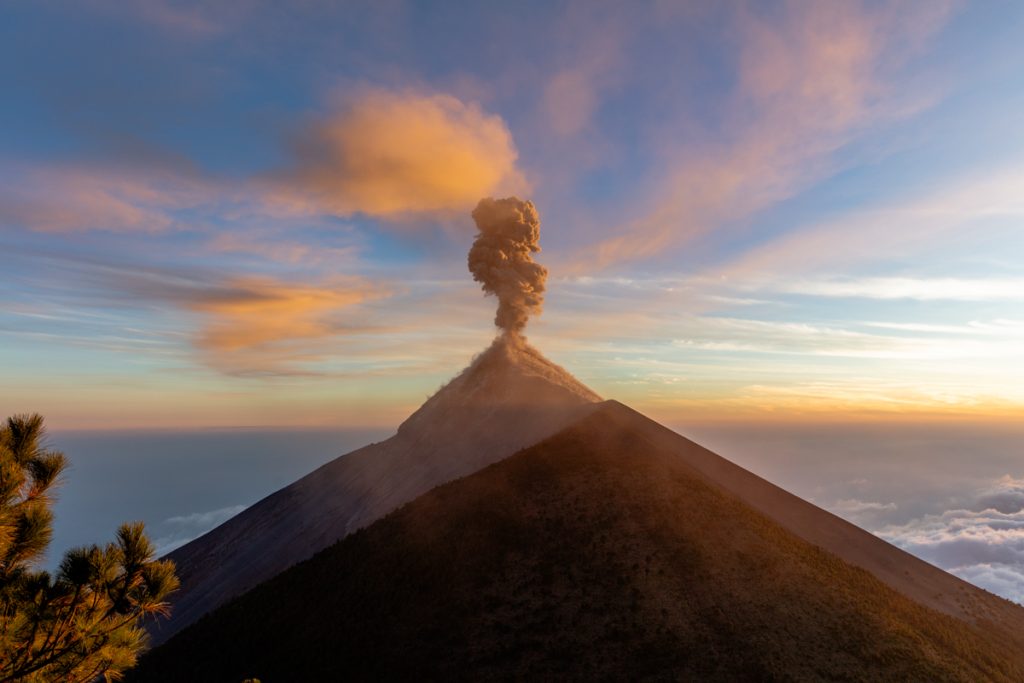
As there’s a lot of light illuminating the whole scene, you can make these pictures with the camera in hands, without a tripod (as long as you use a high shutter speed like 1/500 or more) which gives you more freedom to create different angled shots searching for an interesting foreground.
But, it’s at night that the real spectacle begins. Without the sunlight, the explosions of Fuego bring up amazing red lava, rocks flying and smoke. That’s when the really cool images starts to reveal, as long as you follow some basic tips:
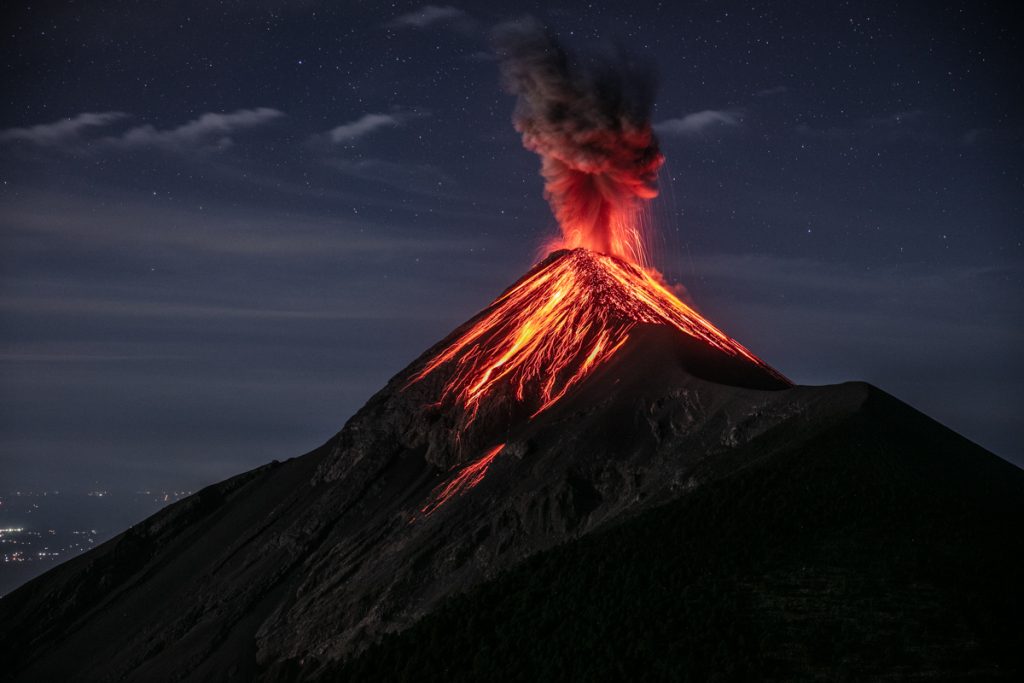
It’s really hard for any camera to autofocus in the dark, so rely on the manual focus, make it at any part of the volcano that you will be fine when the explosion occurs. Newer cameras like the mirrorless ones that have the live focus peaking feature are even easier to achieve the perfect manual focus. But, remember, if you change the lens or even change the focal length using the same lens, you will need to redo the manual focus.
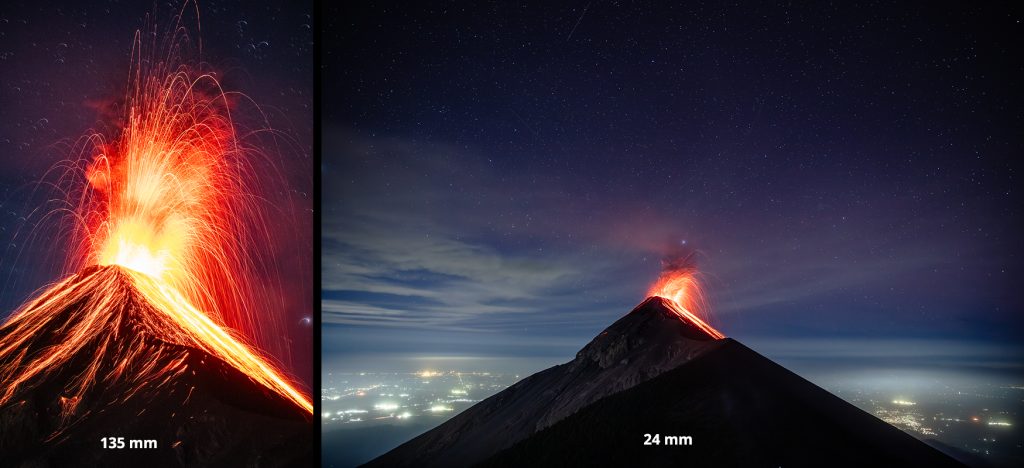
In this experience we tried different focal lengths to have different shots every time Fuego gives his show. As we were really close from it, the longer length i used to frame the whole scene was 135mm, so a 70-200mm lens is more than enough to do the job. The results are impressive! On the other hand, if you want to make an image with the volcano plus the starry night sky (or with the long and tall smoke column) a wide angle focal length between 15 and 24 mm will work perfectly.
To make any active volcano pictures you will be around a lot of ash. Every explosion releases tons of ashes in the air, that falls within a radius of dozens or even thousands of kilometers. So my pick would be any f-stop with the Duradiamond exterior, to prevent ashes coming inside the backpack.
We spent the night at the base camp of Acatenango shooting Fuego, so you also need to bring warm clothes, gloves, water, some food, so think about a larger backpack than you usually use on your daily photo shoot sessions.
I used the Tilopa 50 during this trip and it was for sure the right choice not only because of its rugged exterior protection but also because it fits everything i needed for this adventure, including a 100-400mm lens that i used for closed shots of the volcano (i had this lens in Guatemala to shoot the quetzal bird, but that’s a story for another post! )
For any further questions, you can find Marcello on his instagram profile: https://www.instagram.com/marcellocavalcanti1/


News of Nikon acquiring RED certainly sent a few shock waves through the photography and cinematography circles last week. Nikon posted a press release on their website. Red President Jarred Land shared the following in a press release on his Facebook page:
This acquisition marks a significant milestone for Nikon, melding its rich heritage in professional and consumer imaging with RED’s innovative prowess. Together, Nikon and RED are poised to redefine the professional digital cinema camera market, promising an exciting future of product development that will continue to push the boundaries of what is possible in film and video production.
Who knows what the future holds for both of these giants of the visual storyteller world. But rest assured that whether you use Nikon or RED camera systems to capture your visual stories, our camera bags carry both!
Our Mountain Series camera bags and backpacks are used by countless visual storytellers around the world. They have been used by various production crews to carry their valuable storytelling tools from location to location while working for major outlets such as Netflix, Disney+, National Geographic and much more!
Whether you are a Nikon shooter or a RED user, we have you covered. Our Tilopa 50L DuraDiamond® and our Shinn 80L DuraDiamond® outdoor adventure camera backpacks are the perfect tool to keep your Nikon and Red systems safe and protected.
We caught up with f-stop Ambassador and friend Nick Leavesley to get his take on the news of Nikon acquiring Red. We also get into his insights into his hybrid Nikon and Red camera setups and why he trusts the Tilopa and Shinn camera bags to keep his gear safe.
Nick had this to say:
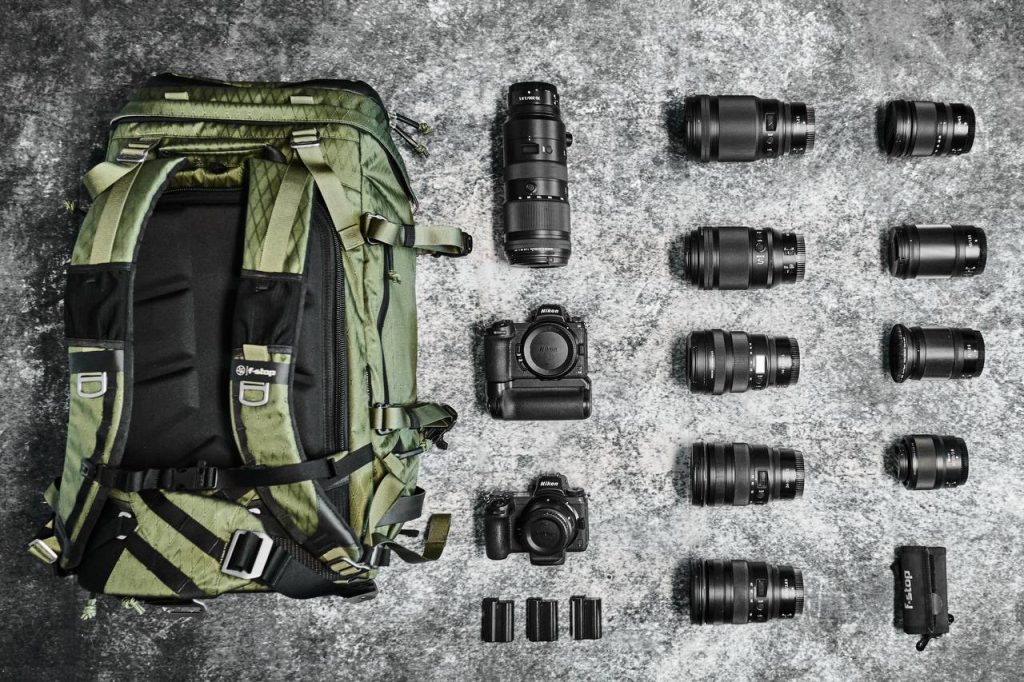
Having shot with both Nikon and RED for over 12 years, I’m stoked to see what the two brands can create together. No matter where I go I can guarantee that one or both a Nikon and RED come with me. The Shinn 80 liter is my chosen pack as it allows me to take not only a RED V-Raptor and my RED Monstro in a Master Cine Camera Insert with my chosen lenses, accessories and batteries. However now with DSMC 3 I can compress a stills and video kit in to a single f-stop Tilopa 50 liter and Pro XL Camera Insert.
My rig usually consists of a ‘trinity’ set of lenses for both Nikon Z mount and Canon RF, a Nikon Z9 and a RED V-Raptor, 7” touch screen and GDU accessories and handles for the RED alongside a gimbal and between 4-8 V-Lock mini batteries. Now with the amazing capabilities of N-RAW and RED Code RAW, the Z9 acts as the perfect B-Cam when I have to pack light as the image can be matched perfectly between both cameras. When it comes to shoots that require multiple REDs I reach for my f-stop Shinn as it allows me to pack not only a RED V-Raptor and my RED Monstro but a RED Komodo and RED Komodo-X too, not to mention all the lenses and batteries needed.

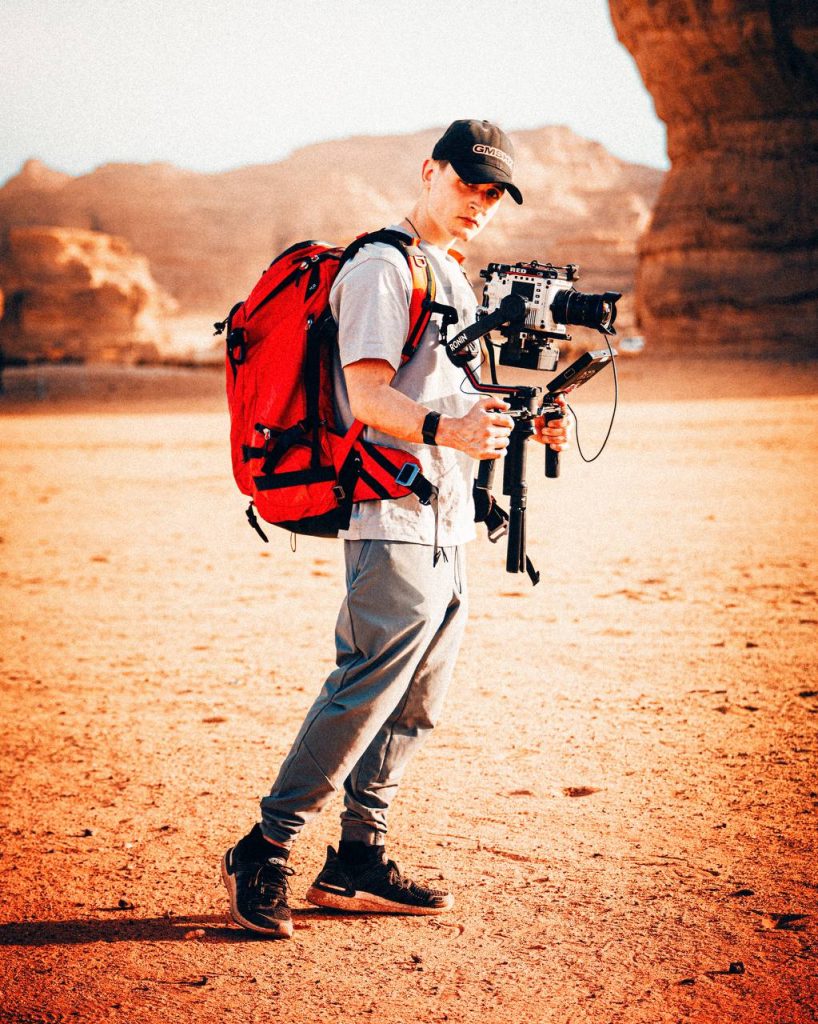
Nick Leavesley is a visual storyteller and an f-stop Ambassador. He is the Director of Photography for Beyond Content.
You can check out more of his work and connect with him at the following places:
IG - https://www.instagram.com/beyondnick
IG - https://www.instagram.com/beyondcontent
Website - https://www.beyondcontent.com
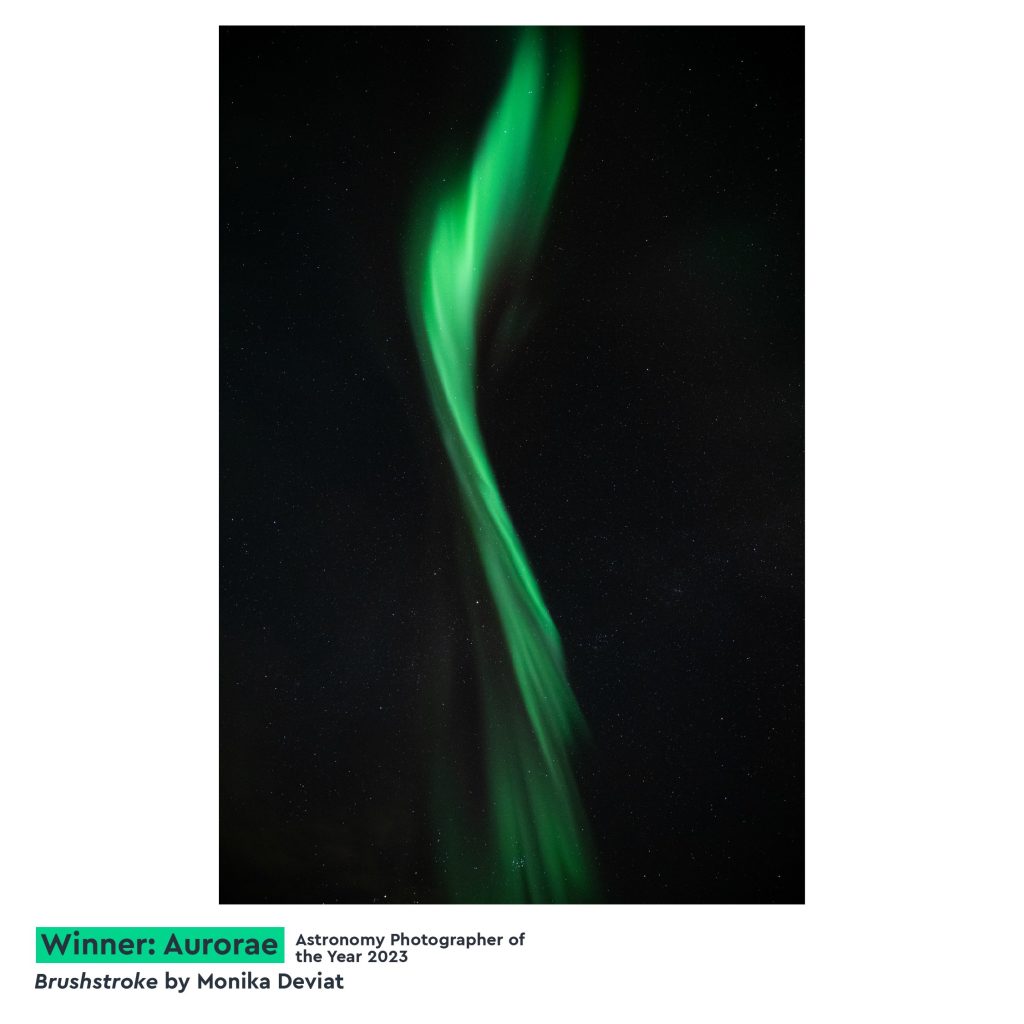
We were delighted to hear that our Pathfinder Ambassador and Astrophotography specialist, Monika Deviat won the Aurorae Category of Astronomy Photographer of the Year with her image "Brushstroke". She was also then featured in a mini documentary by the Royal Museums Greenwich, which explores her experiences and highlights her creative process, perfectly showcasing her talents behind the camera with her favourite backpack: the Tilopa 50L DuraDiamond®.
Monika loves astrophotography as well as night photography in general and shares her passion with others through workshops. But there is more than meets the eye to the Alberta-based photographer. She is a metalhead, pole and aerial instructor, educator, and speaker, which are all personified in her work.
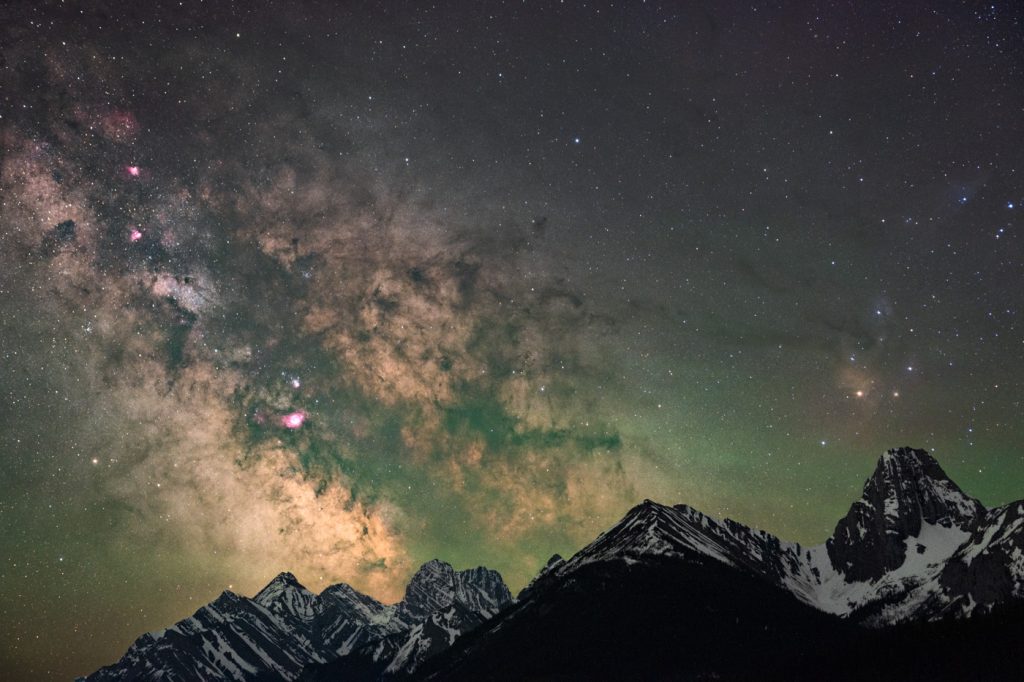
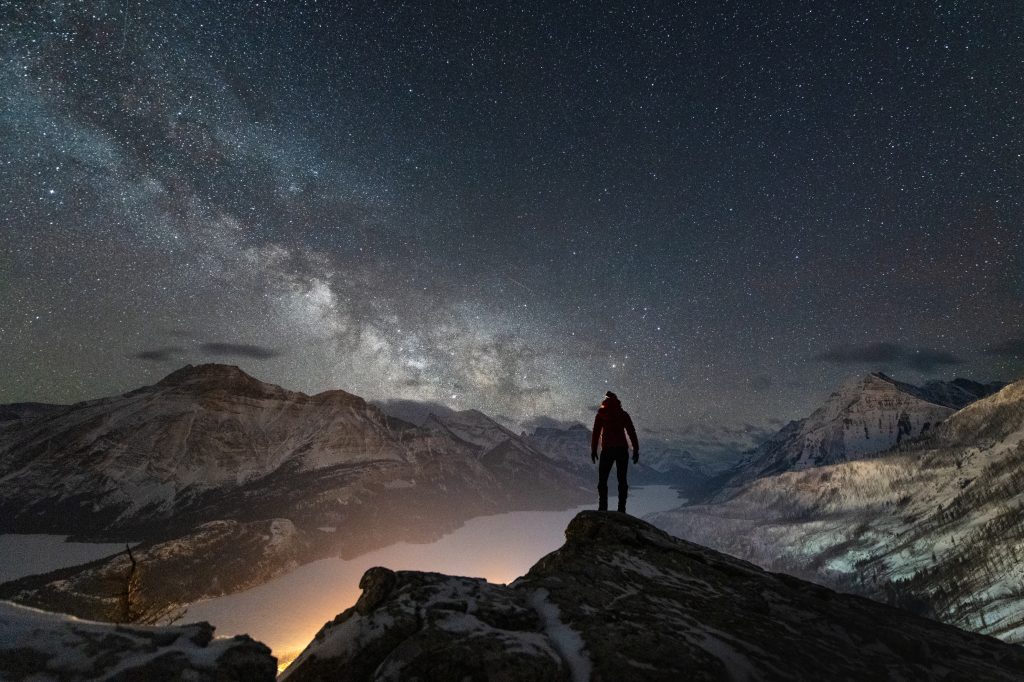
The quality of Monika’s work speaks for itself. Her level of experience is evident in every frame she captures, which is why she is the perfect person to give you essential tips on shooting the Northern Lights:
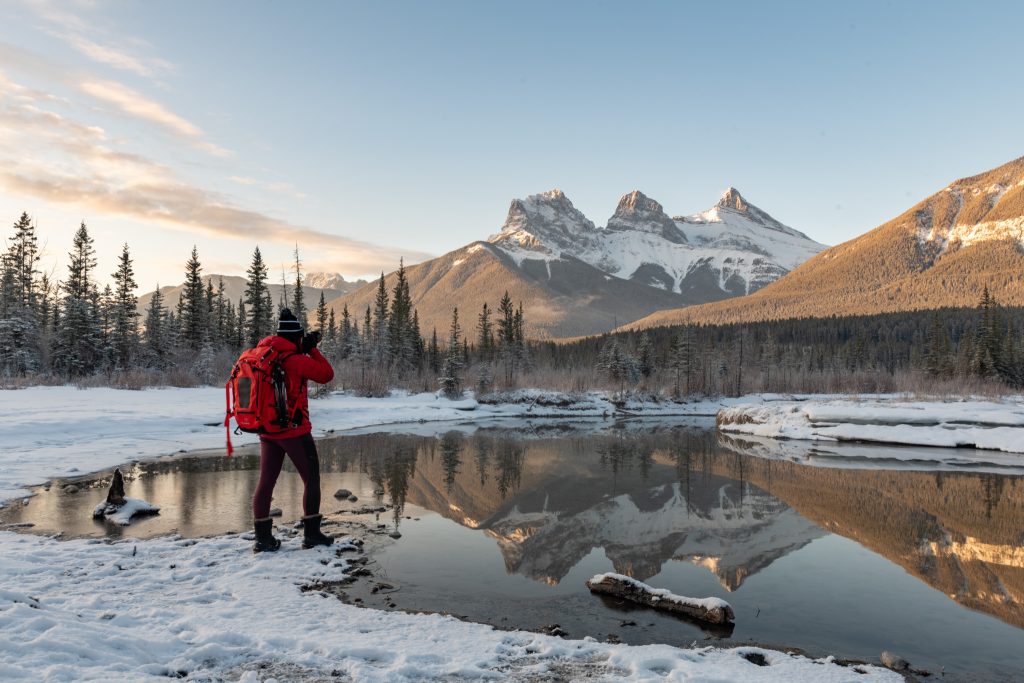
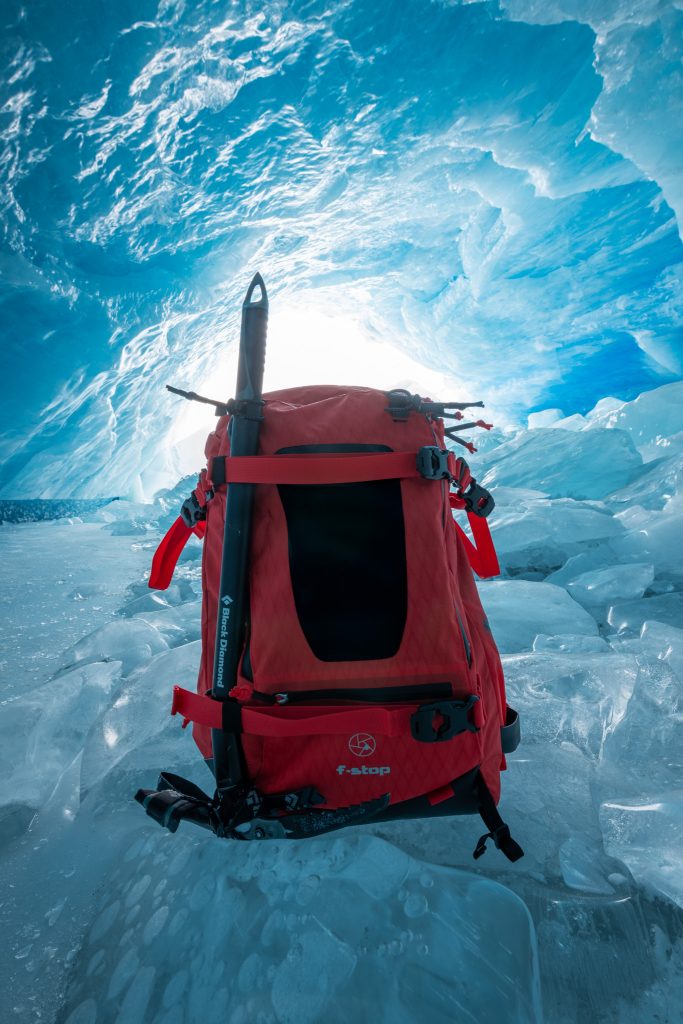
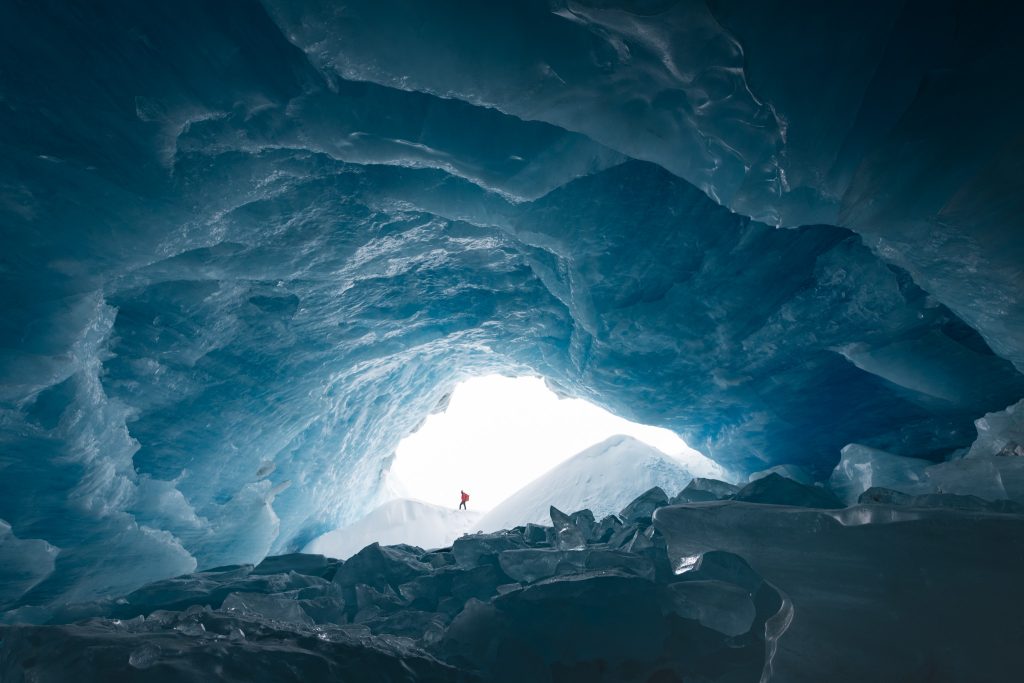
f-stop Ambassador and Astrophotography specialist, Monika, states that her two go-to backpacks are her Tilopa 50L DuraDiamond® in the Magma Red color option and her Ajna 37L DuraDiamond® in Anthracite Black. Her Tilopa travels with her for most adventures, including visiting ice caves in glaciers in the Canadian Rockies, hauling night photography gear up mountains and road trips to badlands. The Ajna is usually her travel pack pick when she needs to stay agile or deal with space restrictions on vehicles or with groups, but does occasionally go on mountaineering trips with her.
For more adventurous trips, Monika uses the Medium Slope Camera Insert to keep her kit safe and organized. This still gives her enough space for a camera body or two, two or three lenses and leaves room to add things like Avalanche Gear, cookies (Essential!), water bottle, thermos, extra Layers, first aid kit, and various small accessories. Her crampons/micro spikes, ice axe and tripod attach securely to the outside of her pack using the Gatekeeper Straps and the other various attachment points.
Monika uses her Pro Large Camera Insert for photo-focused trips that need less adventure gear. For an "easy" night hike up a mountain, Monika will take two bodies, three lenses, two tripods, a star tracker, extra layers, water, thermos, snacks, a first aid kit, and camera accessories.
Competition: https://www.rmg.co.uk/whats-on/astronomy-photographer-year
Website: https://monikadeviatphotography.com/
We recently got the chance to catch up with Staff Pro and more importantly, a long-term friend of f-stop, Jesper Grønnemark. Jesper trained in photography at the Media College Denmark in Viborg and specializes in shooting sports for advertising. He loves the storytelling aspect of photography, and for more than 10 years he has been traveling the world, shooting exciting events and sports with big brands for advertising and editorial customers. Alongside all this, Jeper somehow finds the time for personal projects. He uses these personal shoots to push the limits of his photographic imagination, and in the last few months, these projects have gone viral.
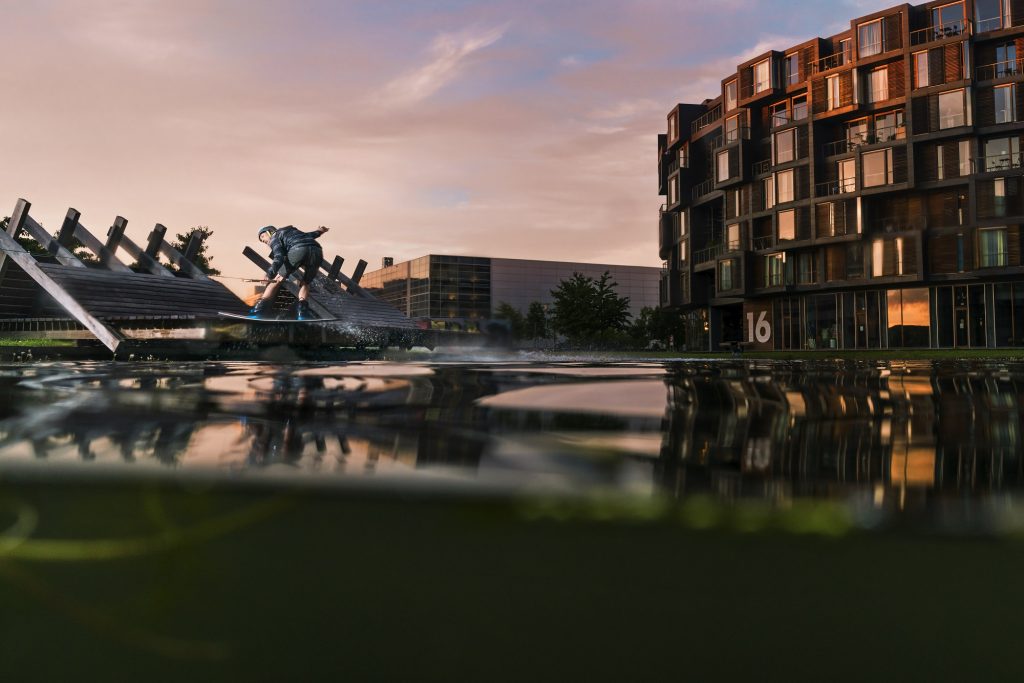
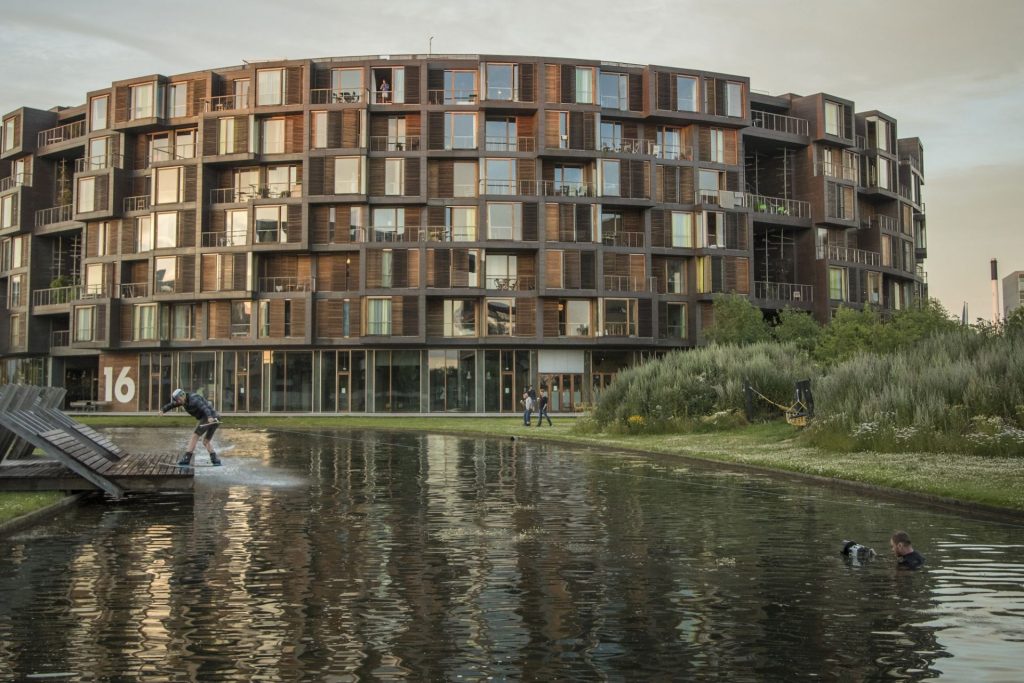
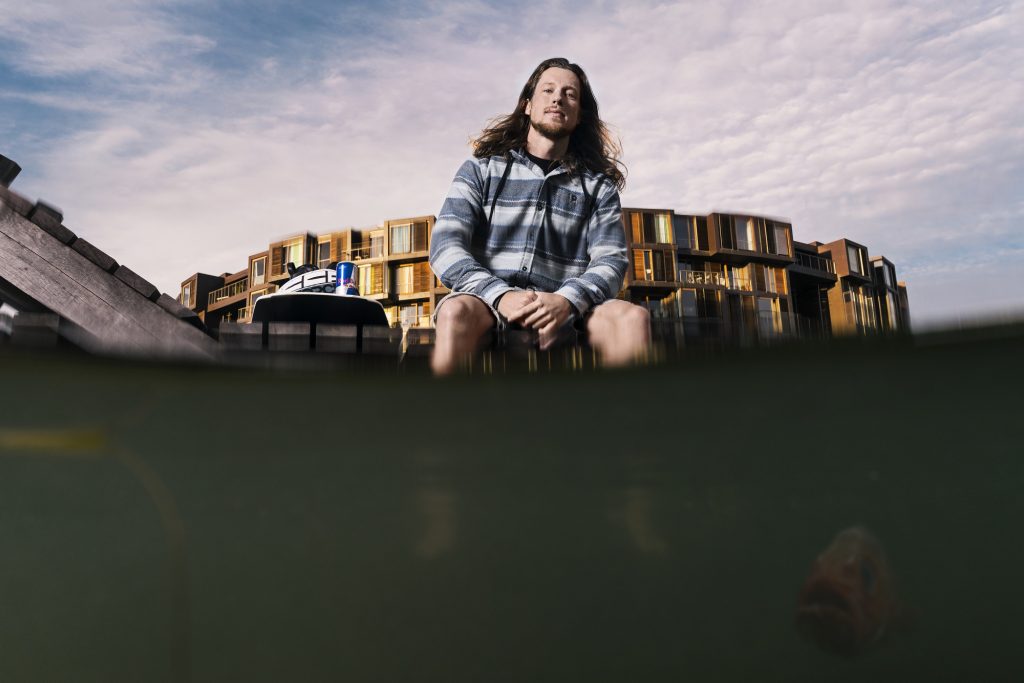
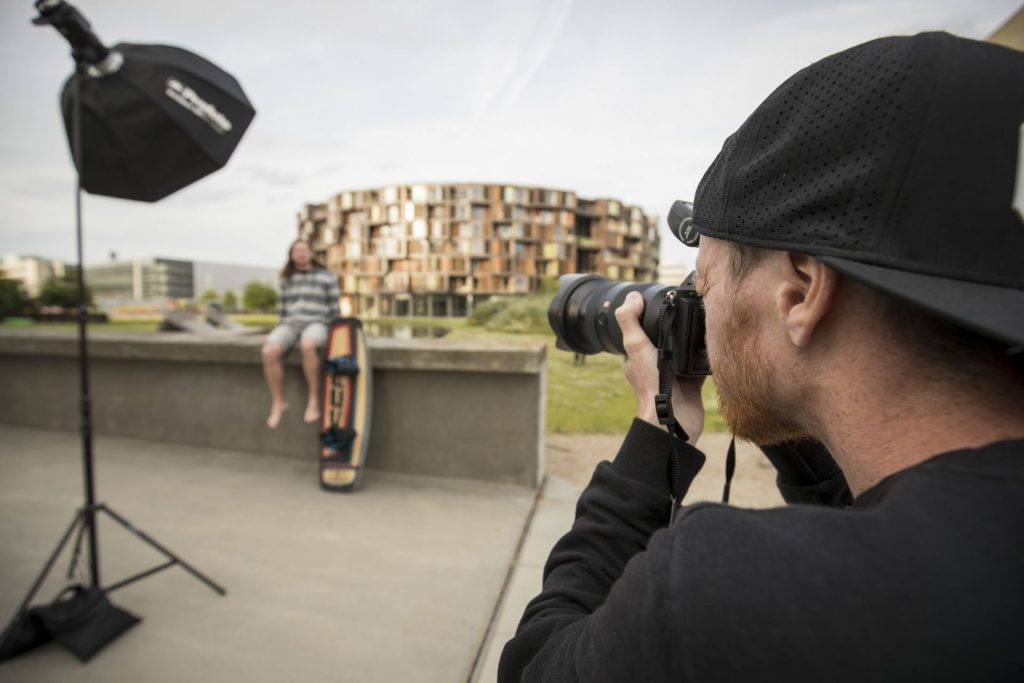
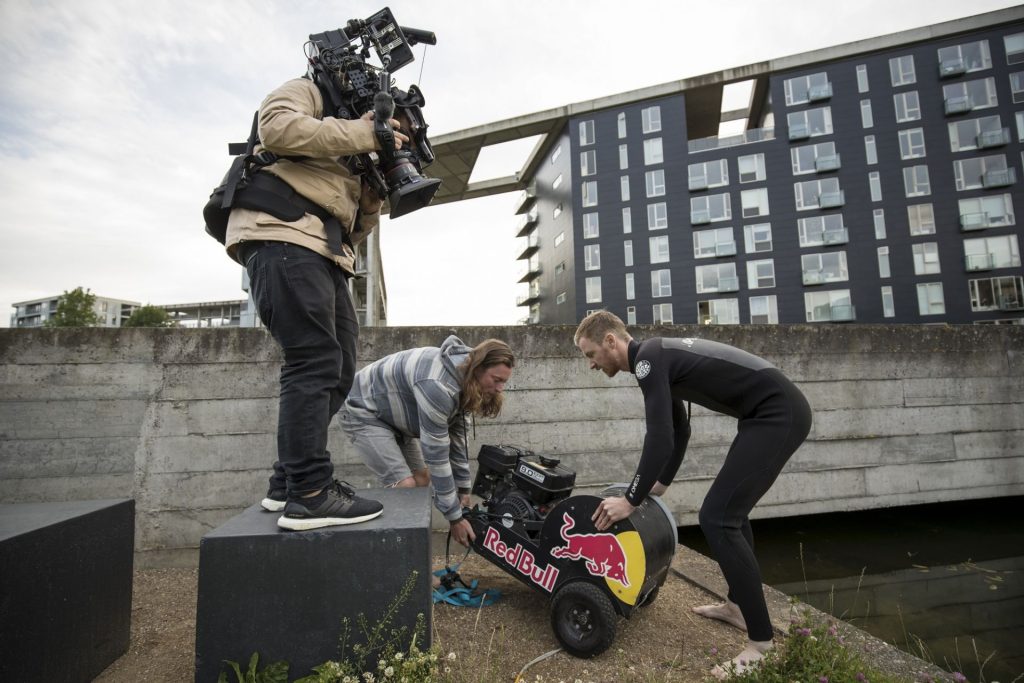
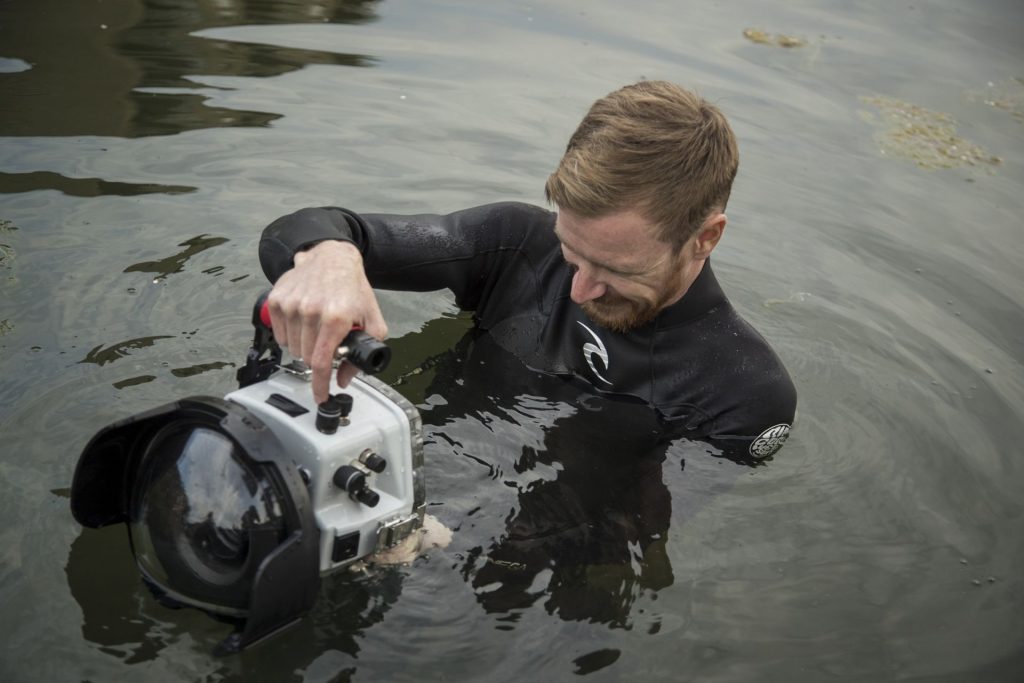
Read on to learn about the reality of making these shooting projects happen, the theme he is following, and his plans for the next one...
Jesper, your main area of work is in the sports industry and we often see your work featured in big events and with great athletes, but today we'd like to talk a bit more about your personal projects. How often do you get to work on these types of projects, and how do you combine this with your regular work?
I put a lot into my personal projects. To me, they are a good way to try new techniques and evolve as a photographer. It doesn’t matter that much if the shoot doesn't go as planned, because there isn't a paying client who needs the images. It’s all for myself. In that way, I feel that I can go right to the edge and sometimes across. That is how I evolve the most in my opinion.
I set a goal for myself at the start of 2017: I wanted to undertake 6 personal projects within that year. To me, a personal project is a shoot where I shoot for myself and not for a paying client. I can do what I want, without being held accountable. It can be a large setup that takes several days to execute or a small shoot that is done in a couple of hours.
Actually, by the end of the year, I reached 19 different personal projects in 2017. I’m pretty impressed by that myself! I think I had the greatest year of my life as a photographer so far. Combining these personal projects with my regular work isn't always easy, but I think it’s a question of prioritizing - I don’t spend much time hours watching TV or doing things like that.
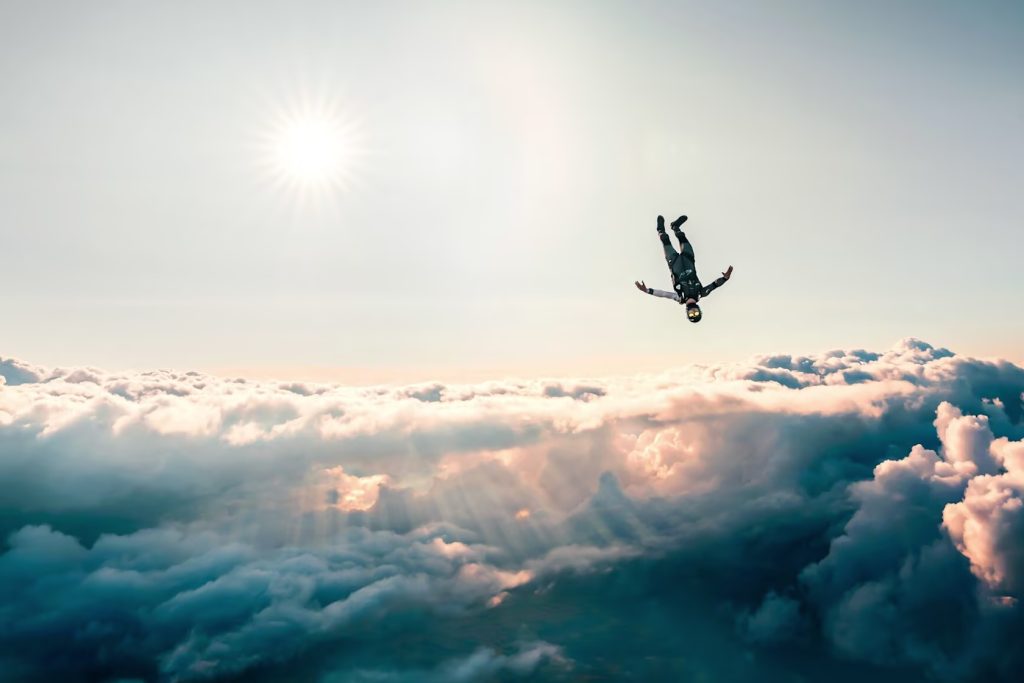

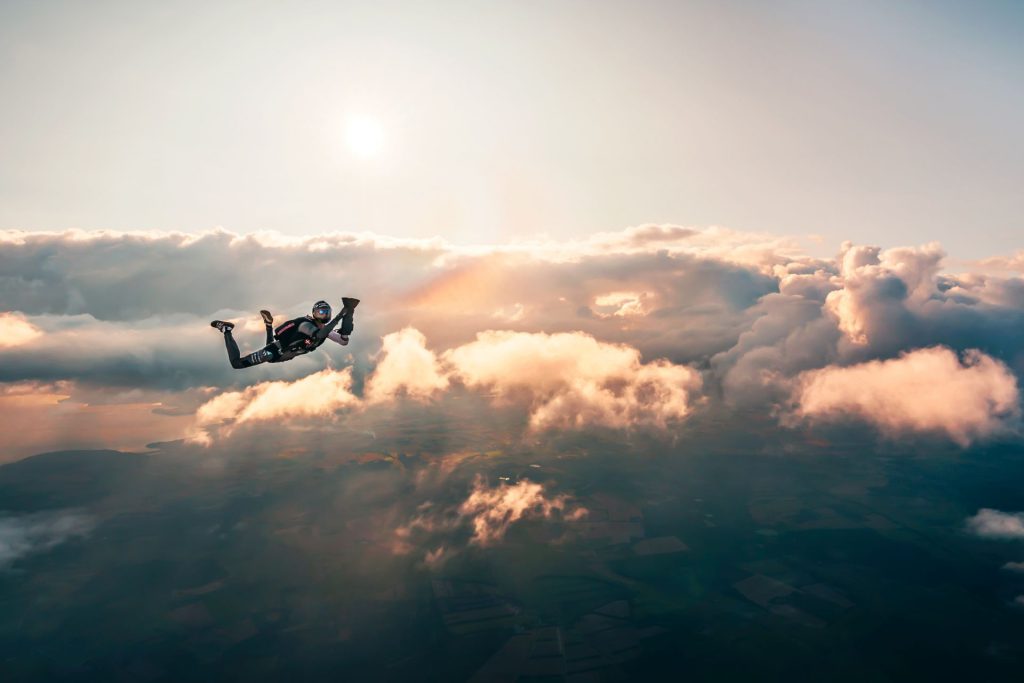
In the last few months, you had two very interesting projects. One was the Wake Boarding in the canals in Copenhagen and the second one was the Sky Diving Shoot which attracted a lot of attention and was shared by Red Bull, Fstoppers, Petapixel, etc. How did those projects get started?
I wanted to shoot skydiving ever since I did my first skydive. To be honest didn't I want to do the jump again, but the idea was stuck in my head. I got the chance to do the shoot with the help of the Danish national skydiving team, Flux Free Fly, Michael Boe Laigaard, and Aarhus Skydive Club.
Actually, when the time came for the shoot, it had to be postponed because of too much wind. I had already gathered together an awesome team to document it all. So instead of disappointing everyone, I went back to my shooting idea list and picked the next idea - the wakeboarding shoot. The wakeboarding shoot went really well and the weather got better, so I was able to do the skydive shoot a few weeks later.
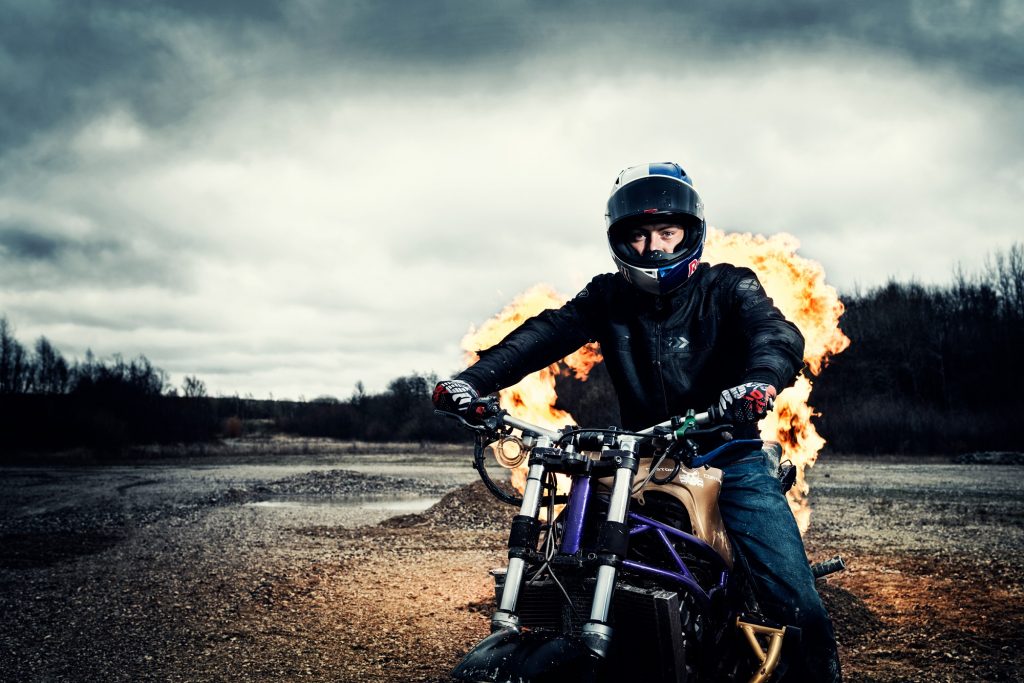
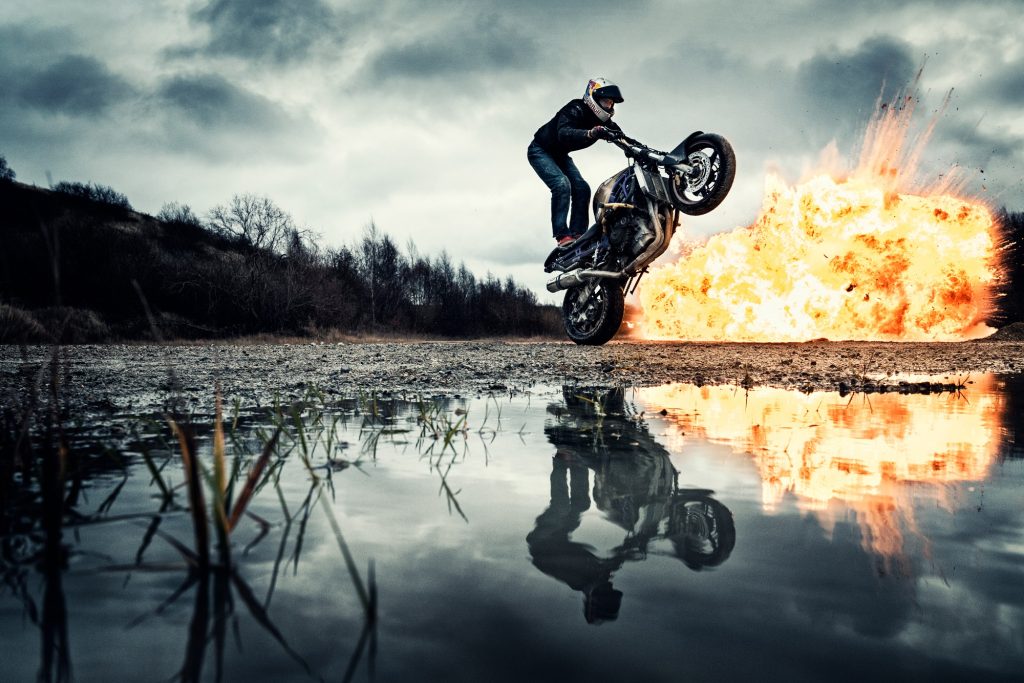
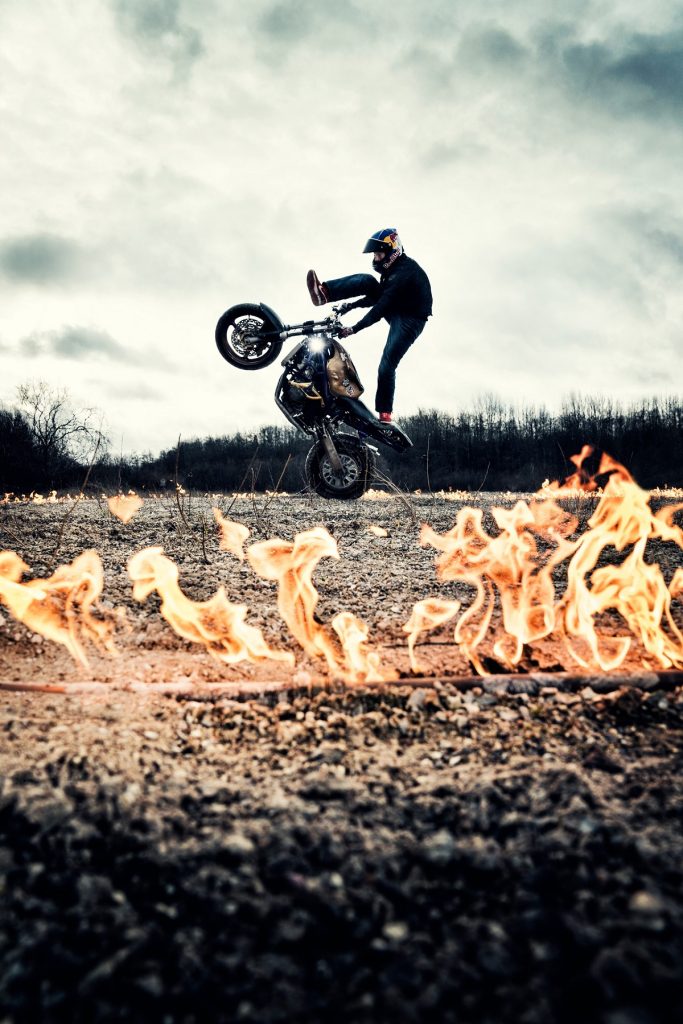
You just released your explosion photoshoot. You seem to be pushing the limits with every new project. Can you give us some behind-the-scenes insight into how you managed to organize this one? I’m sure there must be an interesting story from the logistics of trying to blow things up!
Thank you! At least, pushing the limits is what I’m trying to do. The idea was already there and I had already asked the athlete, Mike Jensen, if he wanted to join the project... so it really came down to finding three more things to pull it together; the right location, special effects guys who wanted to be a part of the project, and a day were the weather was good. It can be quite hard to find a day when it isn't raining in Denmark in the winter time and the special effects guys need to ask for approval from the police 14 days before they can do an explosion. So you are taking quite a chance to pick a shooting day 14 days ahead and collect the entire team together when you can’t predict the weather 2 minutes ahead of time.
There were a lot of people involved in the explosion project, and it took quite a lot of time to organize a shoot that required so many people. First, I needed to get hold of the special effects guys (Nordic Effects), then Mike Jensen. Then Nordic Effects needed to get approval from the police to do the explosions, and I needed approval for the location, videographers needed to book the date, and so on... We were going back and forth, making a lot of phone calls and writing a lot of e-mails. I guess it took up a week of work to make all this happen.
If we take your last few projects, the first one was in the water, the second one was in the air and now you’re playing with fire! Is there a sequence you’re following here?
Do you see a theme here? I noticed that I could take this further by making it into a sequence with the theme of the four elements after I made the wakeboarding- and skydive shoot. Water, wind, fire, and earth. So that is what I plan to do. I “just” need to do the last shot in the sequence which is Earth, now that fire is done too.
What should we expect next from you? There must be a grand finale to this project series... Are you able to reveal some details for us?
I’ve slowly started to work on the next shoot, but it isn't 100% finalized yet. But I think that I might need to travel to another country to get the right location involving Earth - outer space could be cool as well.
Is there anyone who could get me to a space station or the moon?
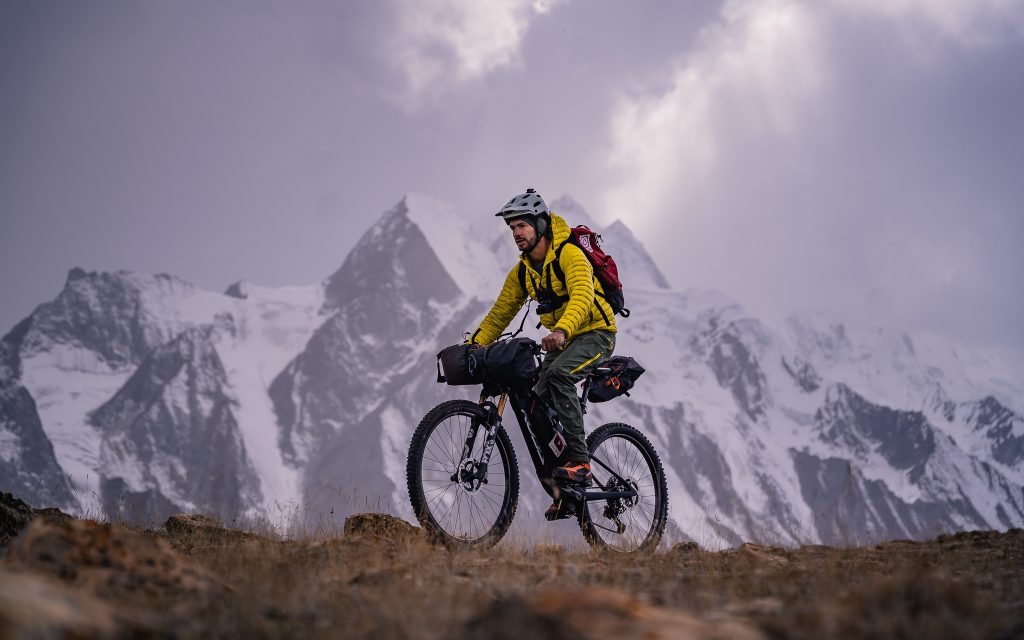
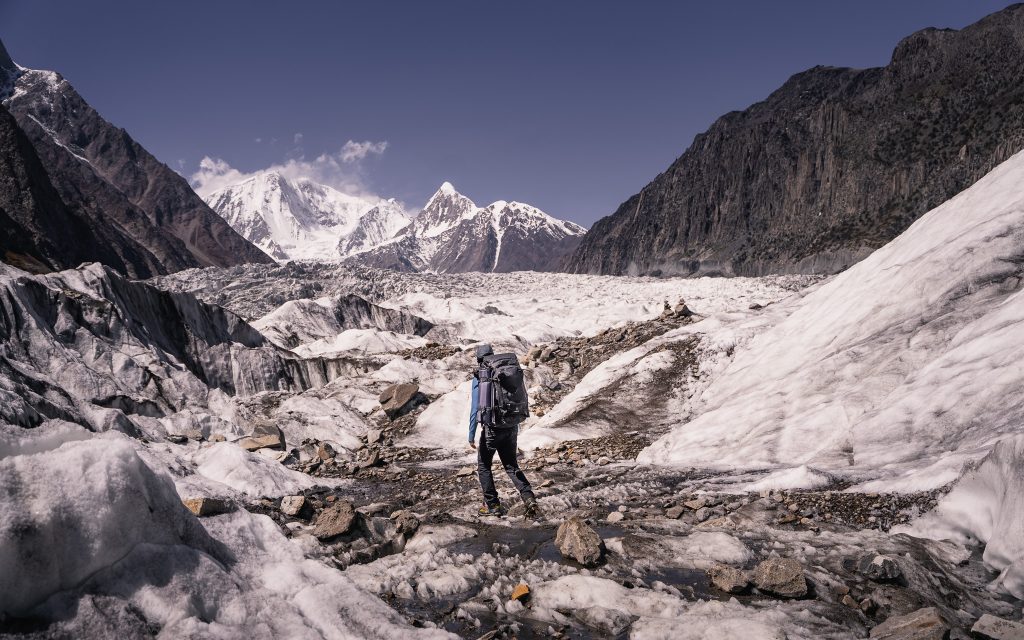
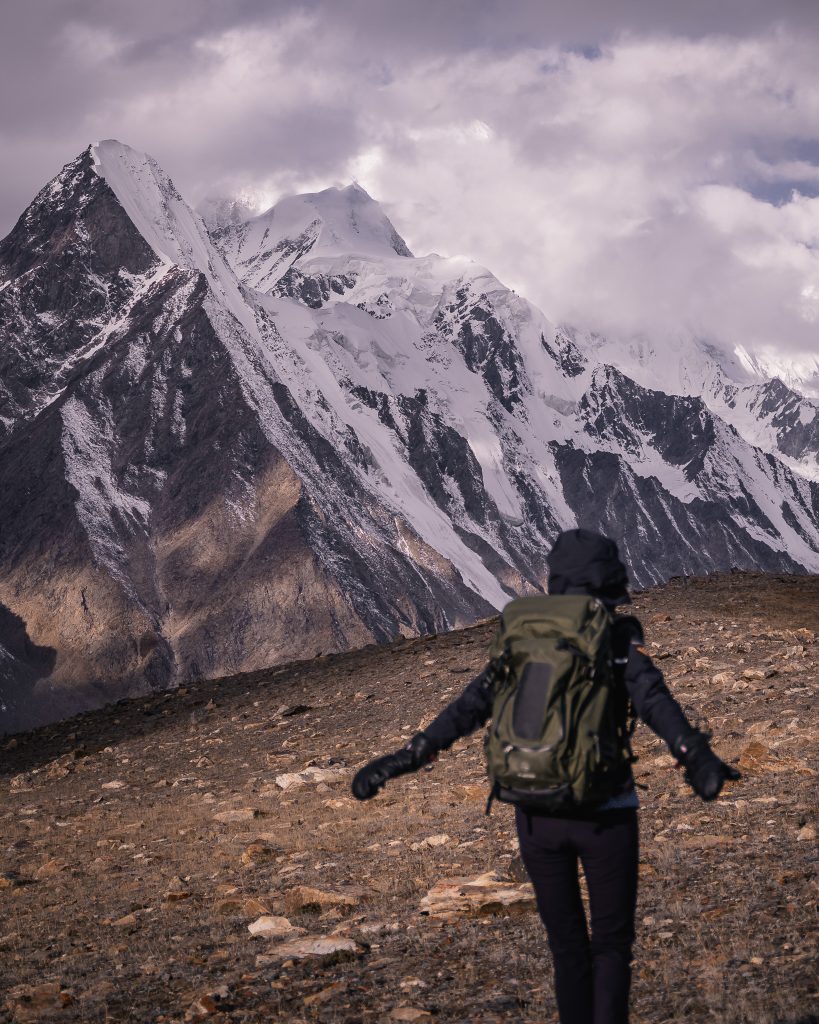
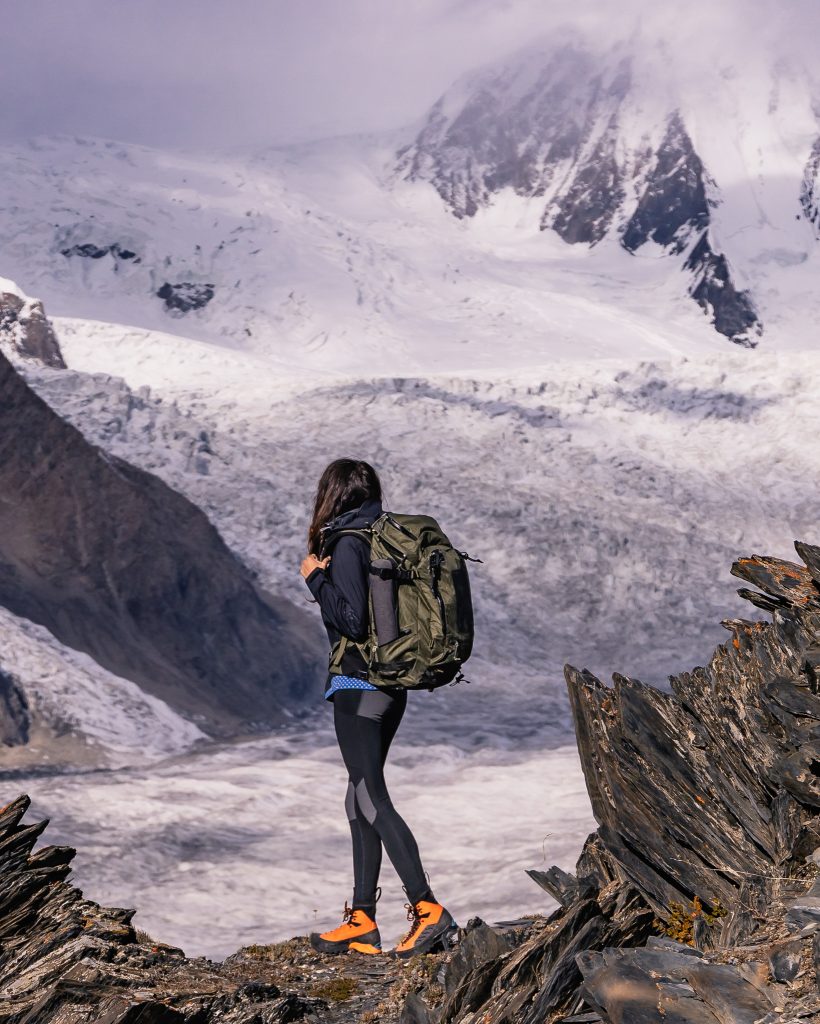
For this project we teamed up with Dockyard Stores and a badass Hungarian athlete Viktor Zicho. Through this weeklong adventure we hiked up to Patundas Meadows in North Pakistan in order to shoot Viktor riding his mountain bike at 4,500m altitude and hike on the spectacular ridge towards Passu Peak (7,478m) and the mighty Shispare (7,610m).

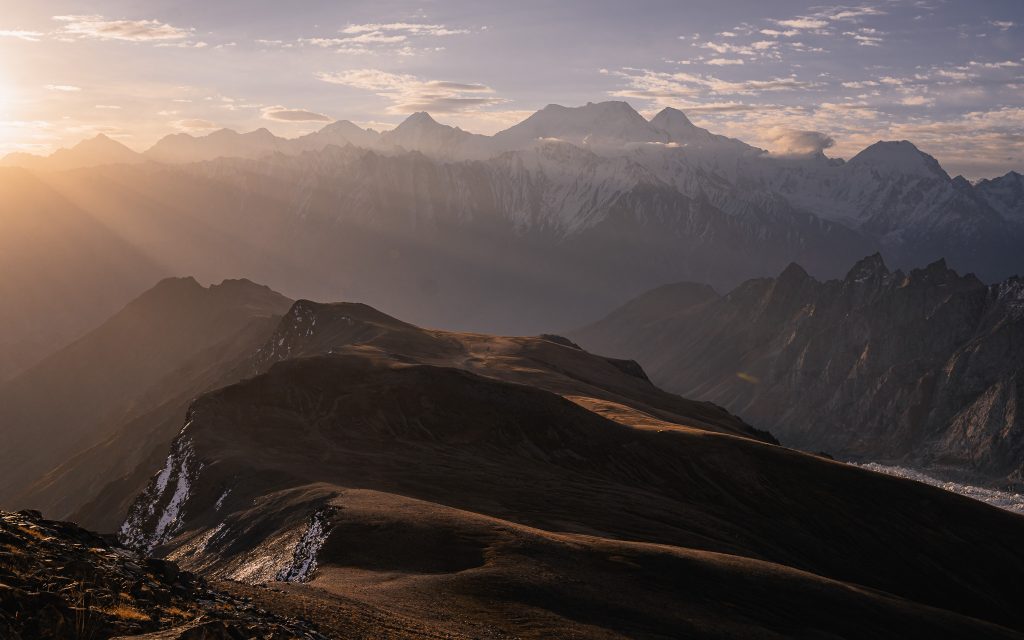
This scenic highland is wedged between two giant glaciers called Batura and Passu. Dockyard provided Viktor with all the required apparels including gears from Mountain Hardware and Scarpa.
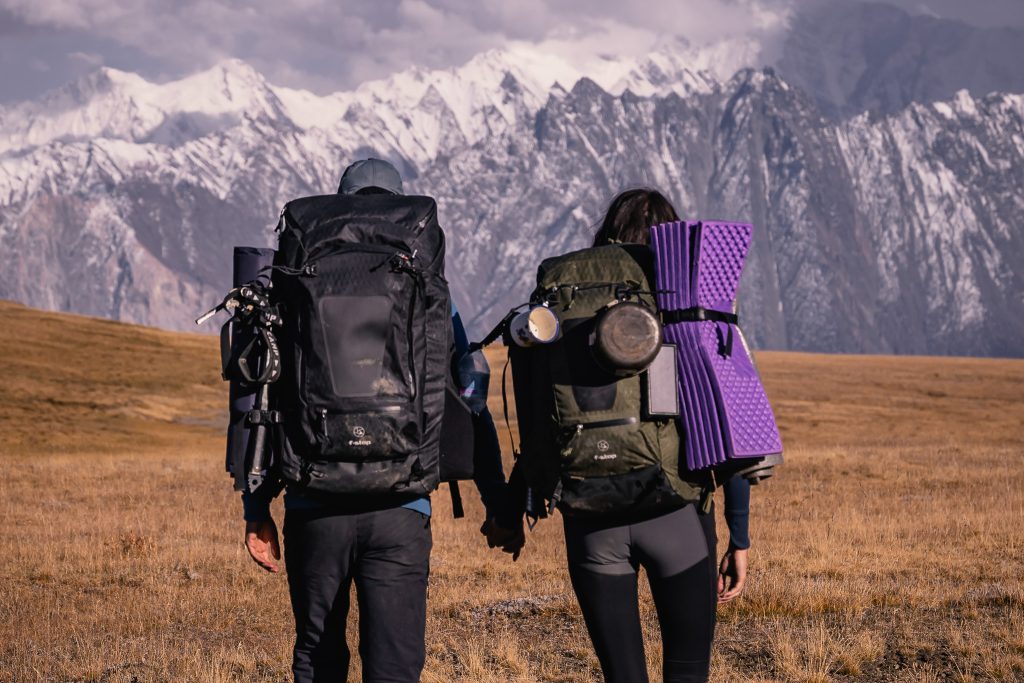
We carried a portable solar system with us in order to shoot the whole weeklong. Weather was sunny therefore we had no problem with charging batteries and backing up data. Getting up to Patundas took us 2 days including a traverse through the Passu glacier and an elevation gain of 2000 meters. We had one local porter helping us to carry up our supplies for one week. Once we arrived, we stayed 2 nights in a shepherd hut then we moved higher up to Passu Peak's base camp and stayed in our tents for the rest of the time.

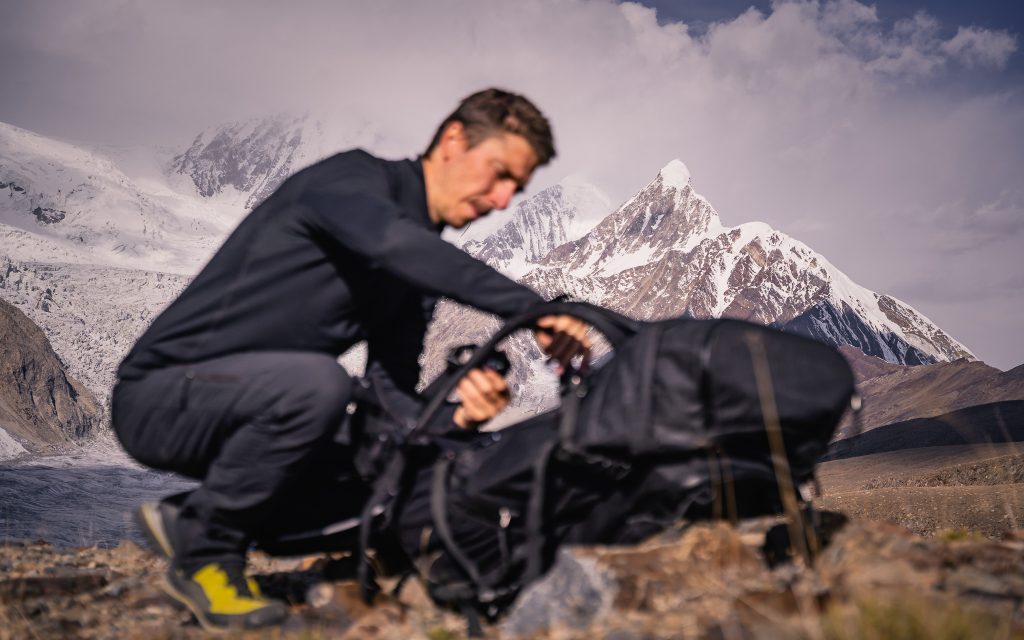
We carried our gear through the whole trip in ouir f-stop TILOPA 50L backpacks. The packs held camera gear and other essentials we needed for this high elevation hike.


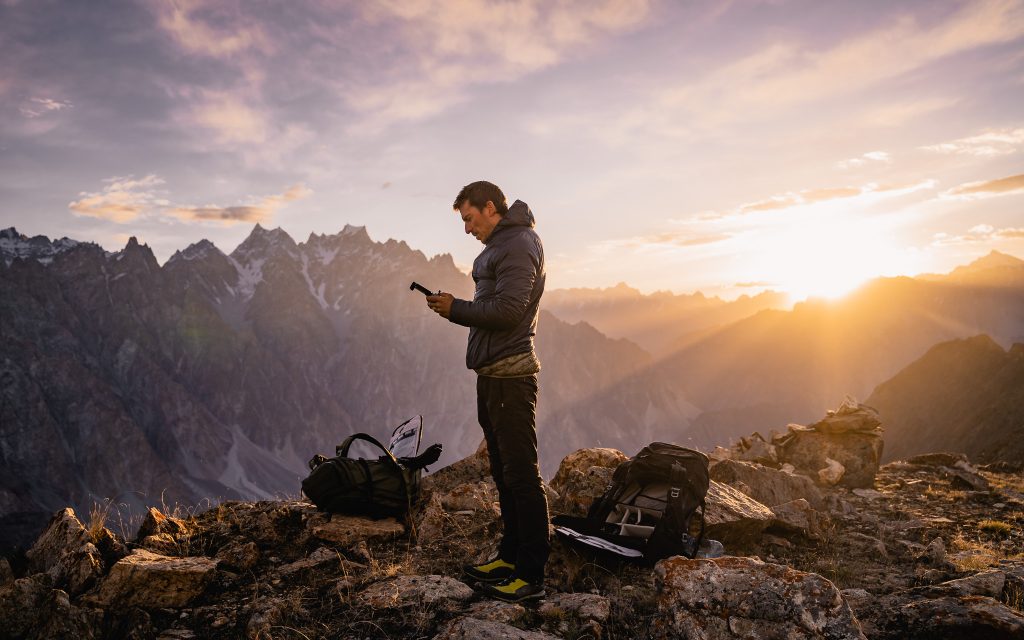


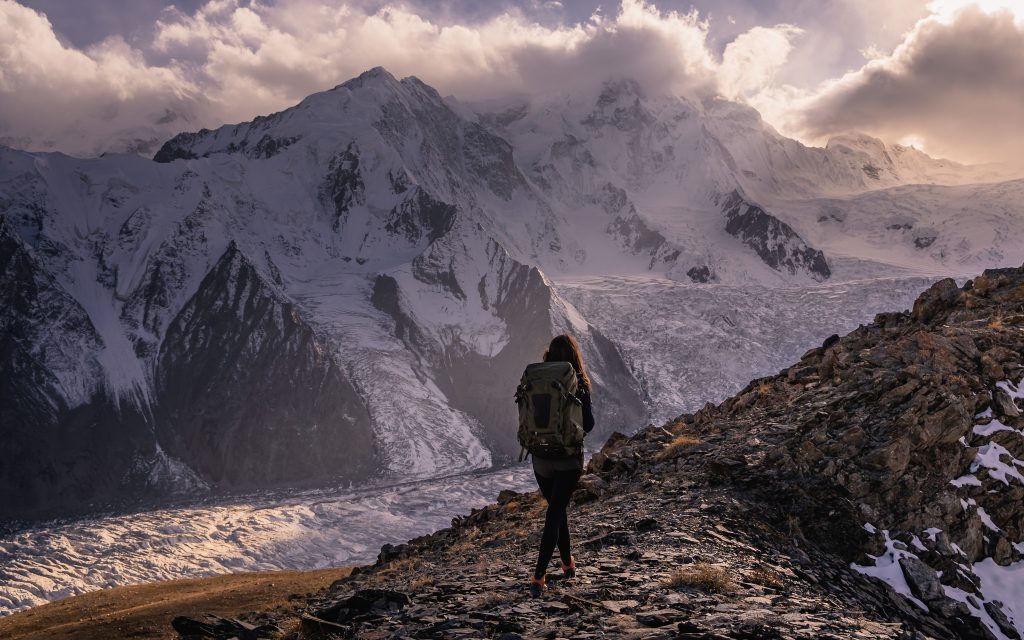
The only available water source was to melt snow during the entire week which worked fine. There was plenty of snow. From Patundas there is one of the most stunning views of entire North Pakistan due to the 360 degree mind blowing panorama of the Karakoram range.
Besides shooting a commercial photo series and video for our client, Viktor had an additional mission to climb a 6000 meters peak in the area which has never climbed before. His mission was not successful. He needed to turn back 500 meters before he could reach the peak due to a dramtic change in the the weather. After one week of constant sunshine, a snow storm arrived. The following day our team decided to leave Patundas and finish this photography and video adventure.

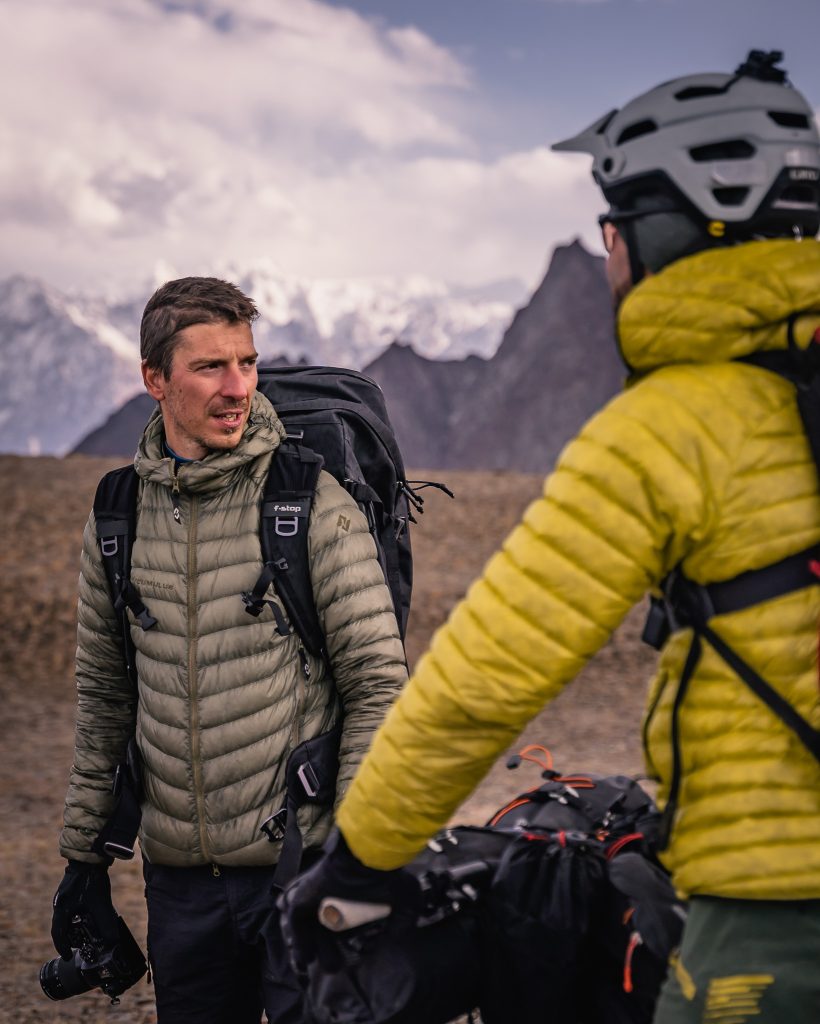

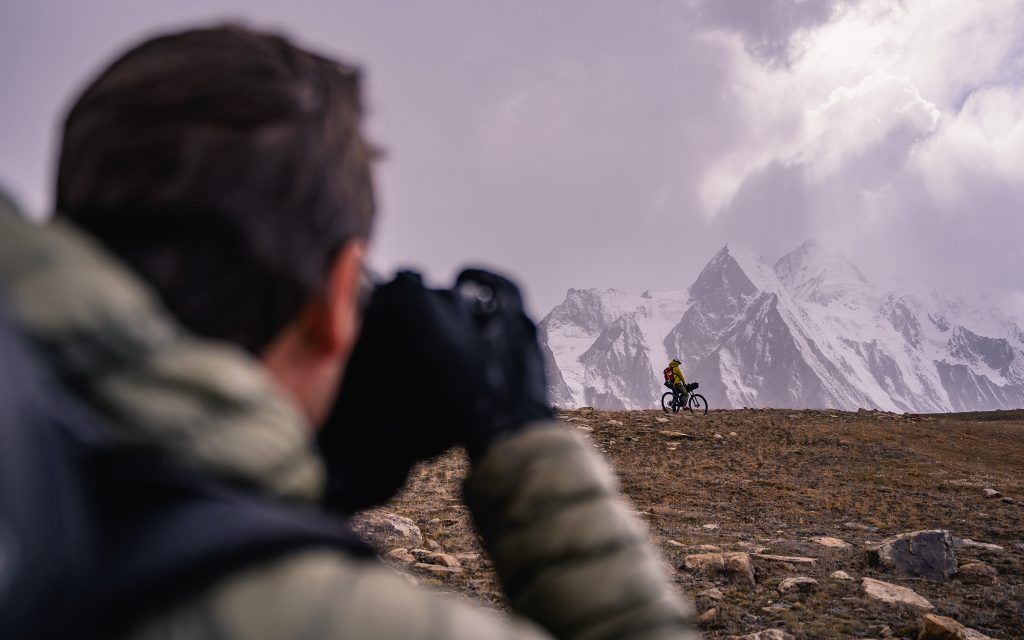

Cecilia Fazekas and Peter Toth are two adventure lovers from Hungary. Peter used to be a sales manager, and during weekends he performed as a DJ in underground house and techno clubs. Cecilia worked as a buyer for a medical equipment company, and she has always had that travel bug inside. Both have been camera geeks from the very beginning of their relationship, and that created a strong bond between them. Their images captured a lot of attention, and it did not take long for them to become professional photographers.
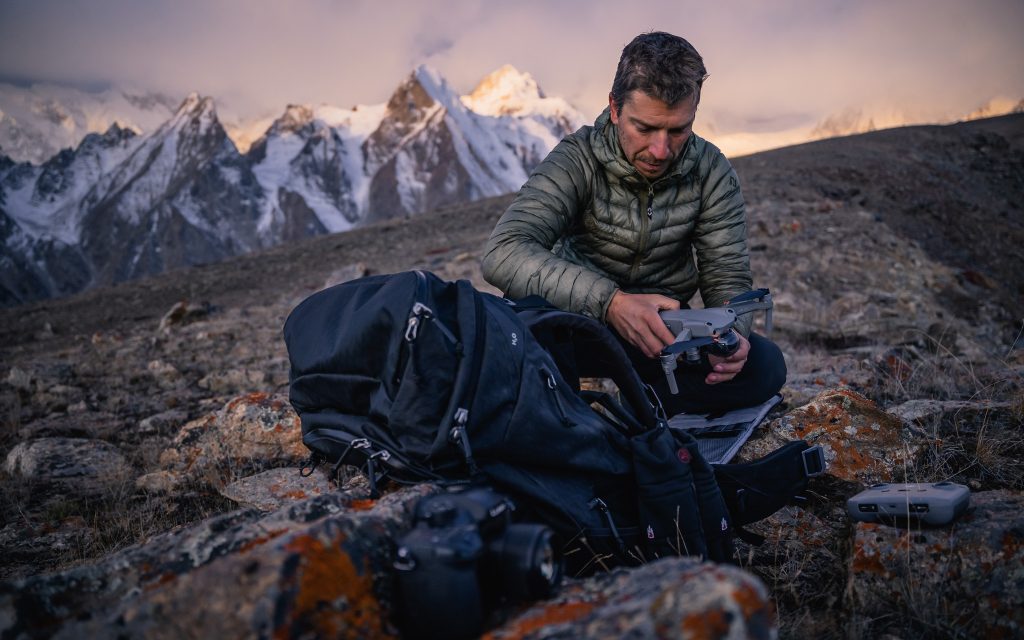
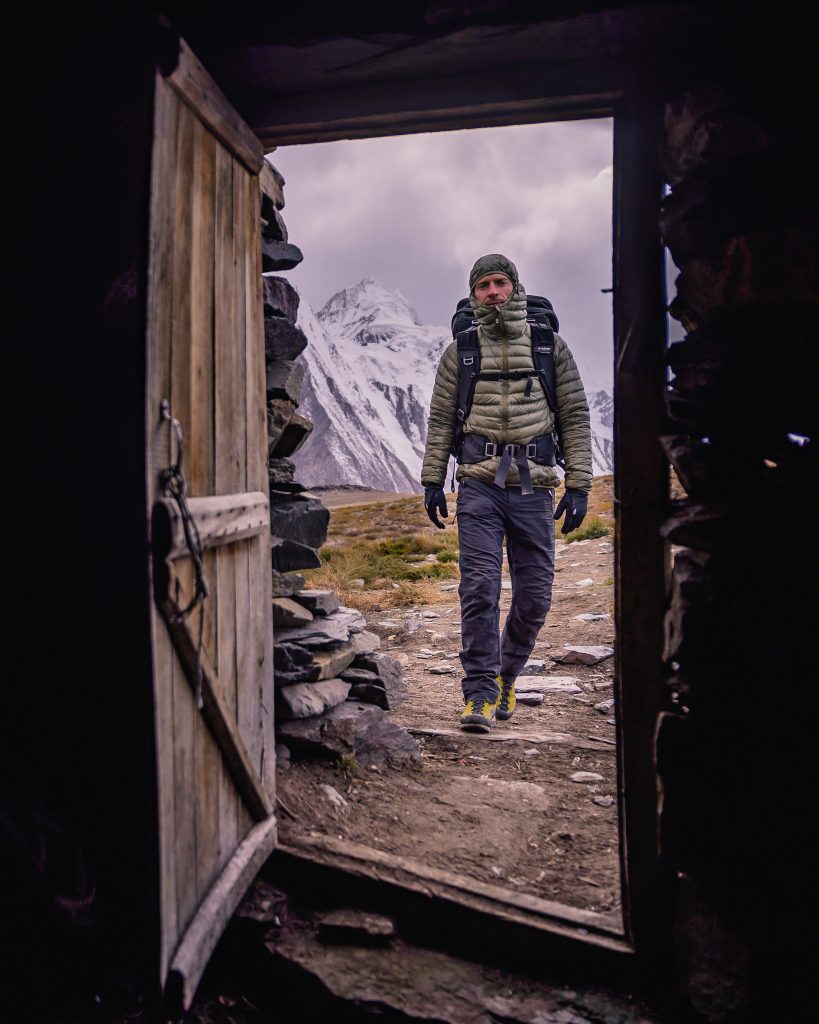
After bidding farewell to their successful careers, they pursued their wildest dream to be full-time travel filmmakers and photographers. In September 2020, they have started their great journey and drove their camper van through 12 countries covering 70,000+ kilometers through the Balkans, Greece, Turkey, Georgia, Armenia, and Iraq. Their next stop was Iran where they travelled more than four months with Peter proposing Cecilia along the way. She said yes. After Iran, the couple went to Pakistan for six months and spent most of their time exploring the incredible mountain ranges of the Karakoram and the Himalaya.
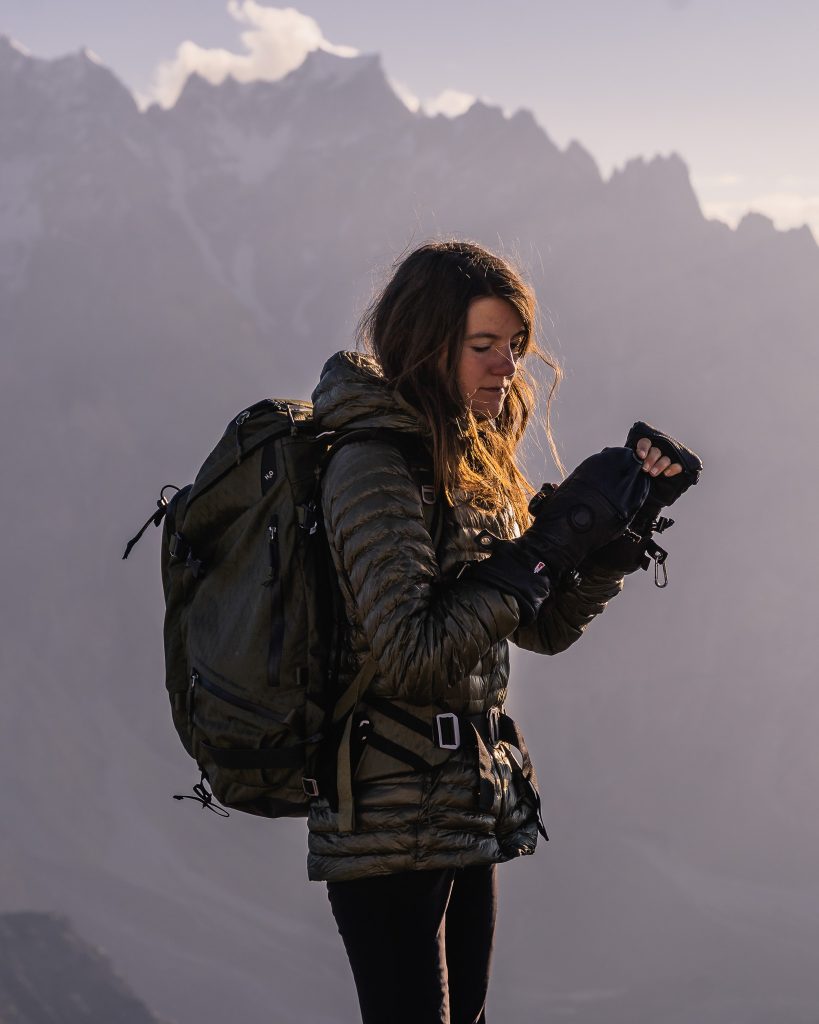
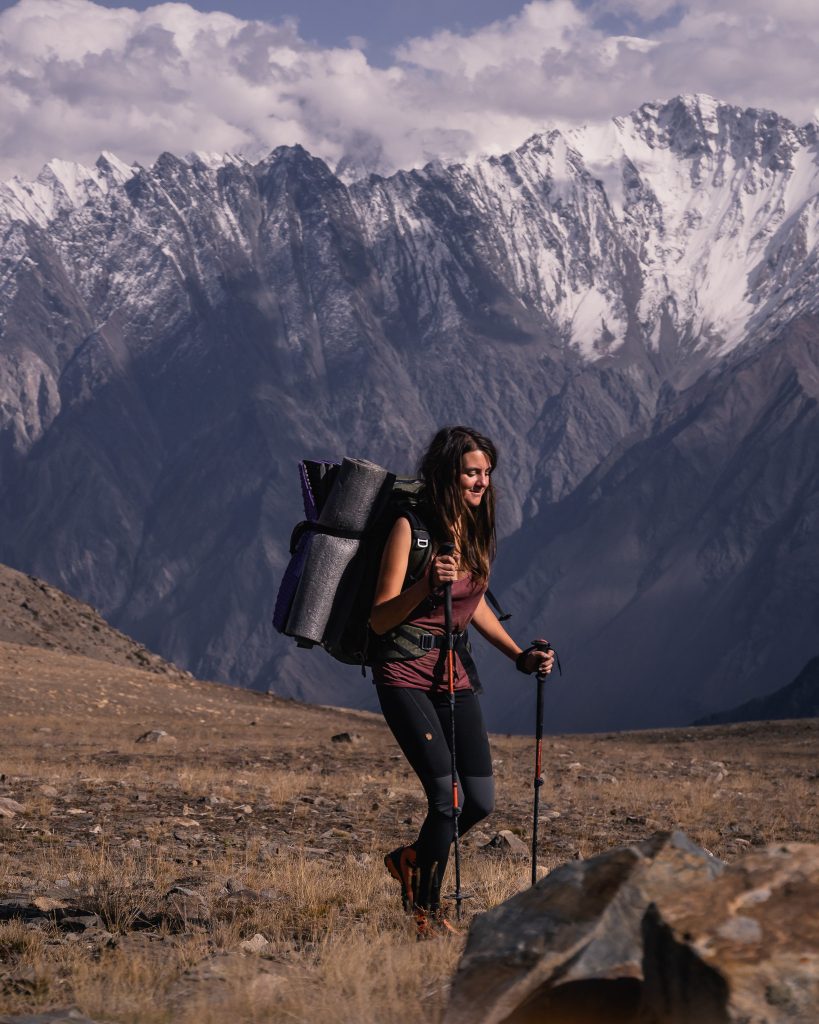
After 2+ years of roaming the world and creating content for international brands, they ended up becoming professional freelancers making videos and photography. They manage social media accounts on various platforms, and they build content strategies for clients. As adventurers and camera nuts, they've neen fortunate to serve as brand ambassadors for multiple world-wide brands. Cecilia is in her element when taking photos while Peter is in love with creating videos. They have no intention to stop travelling anytime soon and after leaving Pakistan their planned destinations for 2023 are India, Sri Lanka, and Nepal.




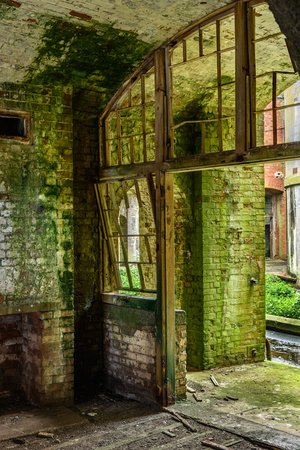
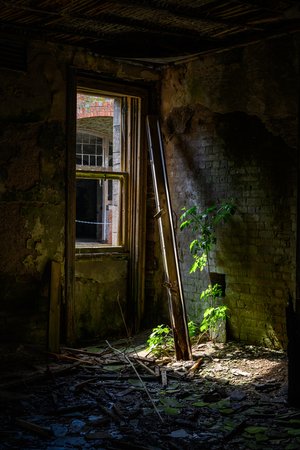
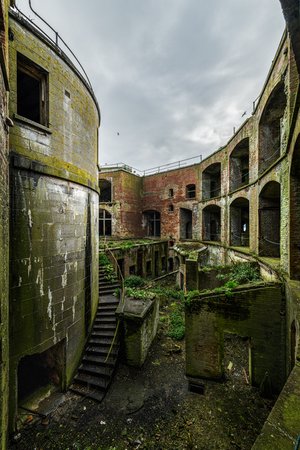
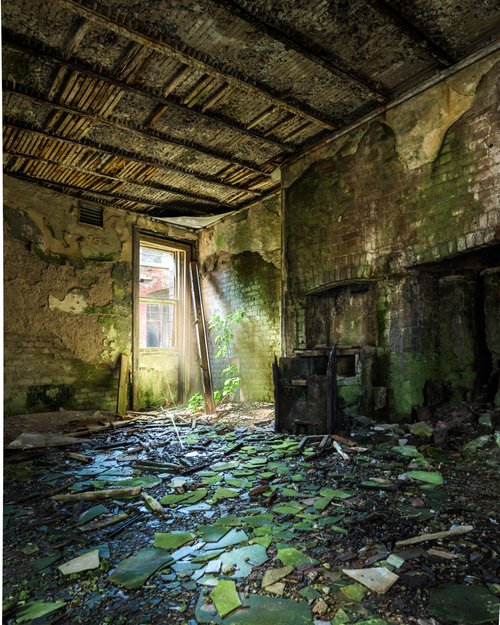
f-stop Ambassador, James W. Fortune, explored an incredible abandoned sea fort with a full set of gear in his Tilopa 50L DuraDiamond® Adventure and Travel Camera Backpack
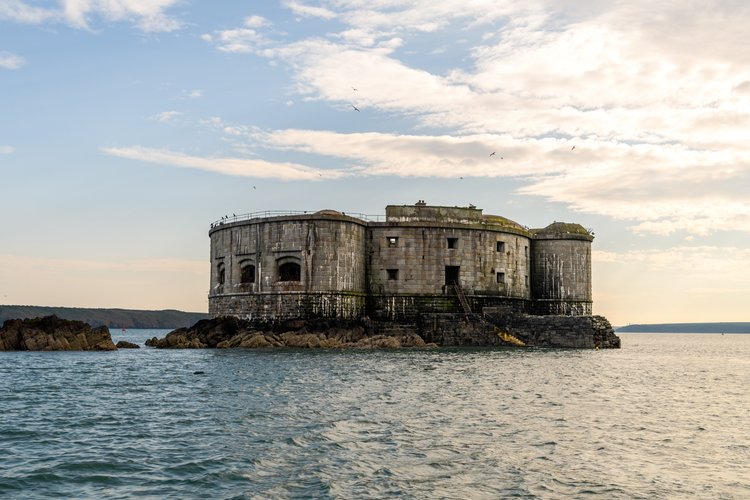
When James got the chance to explore a long abandoned sea fort, he knew it was an offer that he could not refuse. Built between 1850 and 1852, Stack Rock Fort has been unoccupied and left to the elements since around 1929. The fort provided endless opportunities for stunning photography, but also endless opportunities for equipment to be damaged.
Q. What do you consider when you chose your gear for this adventure?
A. It was very difficult not to pack for every eventuality, but I was painfully aware of how active I would need to be while I was on the fort. I knew that there would be so much to explore across varying situations, so I wanted to make sure I could stay as agile as possible.
In the end, it came down to what would practically maximise my creative output while I was there. This included not only camera gear, but also extra layers, my warm jacket, waterproofs and (most importantly) food and liquids. The boat wasn’t coming back for around 10 hours, so once we were on the island, there was no going back for anything I forgot!


Q. You used the Tilopa 50L DuraDiamond®, what about this bag made it a good fit for this trip?
A.I actually took two bags with me, but only one made it to the fort. My Ajna stayed back at the hotel, but looked after everything else that I took to Wales with me. I paired it with the Small Pro ICU and the Packing Cell Kit to keep my personal items (and everything else that I couldn’t take to the fort) organised and safe. The laptop even fit snugly and safely in there too!
For me, the Tilopa was the perfect balance between size, weight, capacity, and agility. It was big enough to carry what I needed without becoming cumbersome. When paired with the Pro Large ICU, I was able to pack my core camera equipment (Main Body, 14-24, 24-70, 70-200, tripod, batteries and cards, filter pouch), my drone, lighting, spare clothes, food and water, while still maintaining enough agility that allowed me to explore all day with minimal discomfort.



Q. What was the most challenging aspect of this project?
A. The biggest challenge was actually the drive from my home to the hotel. My departure was delayed due to needing to get a tick bite checked out (make sure you stay safe with those things to avoid Lymes disease!). I left much later than I planned, so hit the rush hour traffic. What should have been around a seven hour drive took around eight and a half hours and I arrived well into the night feeling very hungry! Getting up at 04:30 the next morning for an early departure after that drive was almost as challenging as the drive itself, but anticipation quickly melted away the grogginess.
Q. What was your biggest surprise on this trip?
A. The biggest surprise was when the boat to take us back to land didn’t turn up when it was supposed to. I didn’t panic after the first hour, but beyond that I must admit that I was beginning to become a little concerned. It turned out that the tide times meant the harbour couldn’t open to let our boat out, which gave me more time to explore and make use of the late afternoon light. I think I got some of my favourite shots during that window!
It did make a long day even longer, but issues like this become inconsequential factors to absorb when getting the opportunity to explore such exceptional locations.



GEORGIA PUBLIC BROADCASTING AIRS "VIEW FINDERS"
f-stop Ambassador, Chris Greer, and his partner Jason Clemmons, host a program about photography and photographers - Renewed for a Second Season!

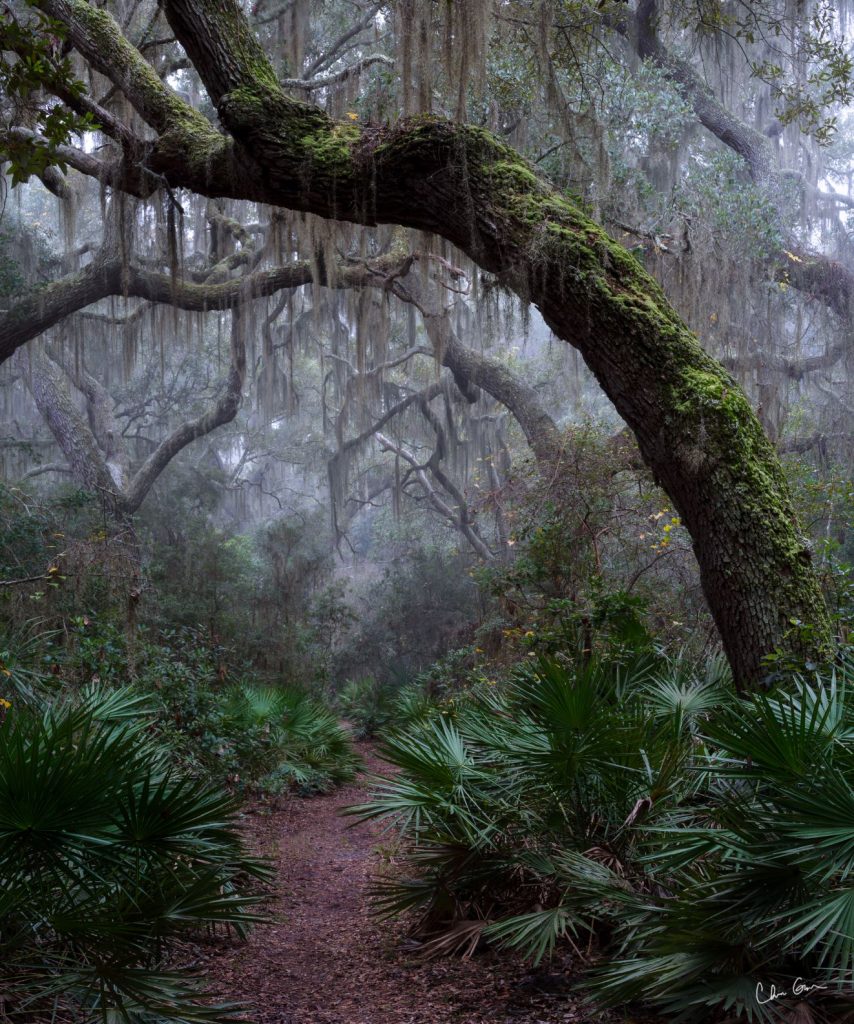
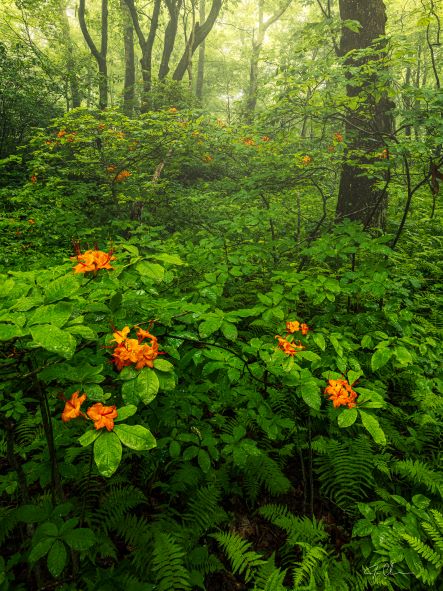
Chris Greer is a new f-stop ambassador and part of our Pathfinder Collective. Chris owns Chris Greer Photography, and you can find his work on Instagram, too. We met Chris about a year and a half ago as he was in the process of developing an idea which turned in to television program – View Finders. The show is about outdoor photography at little known, but beautiful places, in Georgia. The show is also about the photographers on those adventures, and this type of content is rare on broadcast TV. Chris agreed to answer a few questions and tell us more about his work and the Georgia Public Broadcasting TV show.
Q. Tell us a little about your passion for photography?
A. My love for photography stems from my desire to get out and explore locations near and far in search of beauty. I love hiking and being outside, and I think landscape photography is a perfect activity that can motivate someone to get up early, stay out late, and take the road less traveled in search of a unique composition or a tucked away location that few have seen. While I have traveled the world and experienced some truly incredible places, I also appreciate the simplicity of just getting out and finding locations near my home that I never knew about, and that offer tremendous potential. It is calming, peaceful, and a fantastic way to decompress from the stresses of everyday life.

Q. What got you started as a photographer?
A. When I was 12, my dad handed me a Pentax K1000 with a few rolls of film. This started my photographic journey and forced me to learn things like aperture values, shutter speeds, ISO ratings for film, and so much more. I think shooting film really made me appreciate the small nuances of compositions and forced me to be much more deliberate with my photography. All those images were going to cost money, and so I really thought about each click of the shutter. Now I am strictly digital and can enjoy the luxury of unlimited captures, but my roots are in film, and I think it made me a better photographer.
Story continued below.
Q. Tell us about View Finders Television? What inspired the concept for View Finders?
A. Here in Georgia, there is a TV show called “Georgia Outdoors” that takes viewers to locations all over the state and educates them in some way. I was watching it one day and thought, “My friend and I could do something like this, but with a very different approach.” I had a contact at Georgia Public Broadcasting (“GPB”) which is the PBS affiliate for Georgia. I set up a meeting to pitch the idea to the station. The concept is to tell the story about two photographers who were in search of beautiful locations to photograph. Along the way they would meet with experts who would talk about why these places need to be protected and preserved for future generations to enjoy. The team at GPB loved the idea and told us to bring them 5 episodes for the first season, and that is the genesis of “View Finders.” Soon after, we had REI, Troncalli Subaru, Explore Georgia, and Terrapin Beer Company all signed on as sponsors, which gave us the funding to make the show great. It was a very exciting whirlwind couple of months. GPB has been very encouraging about the project from the start, and they are excited about developing the show even further which means there will be a season 2.
Q. You are preparing for season two, so can you tell us a little about some season one highlights?
A. Season one was very exciting and a bit nerve-wracking. I don’t have a background in TV production, much less hosting a show. The good news is that my buddy Jason was with me the whole time, and he served as a fantastic co-host (and is an outstanding photographer). We get along very well, and so I think the audience feels that connection in each of the episodes. From trekking all over Cumberland Island to paddling across the Okefenokee Swamp in search of a camping platform, we had a lot of outdoor adventures and plenty of fun as well. We joke around with each other a lot and so the audience gets to see our personalities as well as our love for photography. I think that it really created a strong connection throughout season 1. A few memorable moments included camping in the middle of a swamp surrounded by 15,000 alligators and hiking all the way to the top of a mountain to find the Chattahoochee River headwaters, which is truly just a small bubbling spring coming out of the ground.

Q. How does View Finders fit into your photography mission or vision?
A. I love to take photos, and I want others to see and appreciate my work. I strive to get better every day, and I am always pushing myself to try new things or step outside my comfort zone to try to improve my photography. Also, I want to just put myself into the position to take a great image, which means getting out into the landscape often and searching for great light and great compositions. View Finders fits into that perfectly, because the entire show is driven by the desire to take great photographs, and it also exposes my work to a large audience. It has been a tremendous project and I am very hopeful about where it might lead over the coming years.
Q. How can readers watch season one?
A. Readers can watch the entire first season by visiting View Finders
Watch the entire Episode 5 - Okefenokee Swamp https://www.pbs.org/video/okefenokee-swamp-b759q9/
Discount Applied Successfully!
Your savings have been added to the cart.