


Photographers are often referred to as story-tellers, but what of the stories that inspired them to pick up the camera? For f-stop Amabassador, Maria Sahai, the tales of the far North she was told as a child have stayed with her, and underpin her love of exploring the Arctic. In this feature, through her words and images, Maria takes us on a journey into the deeply personal relationship she has with the Arctic she photographs.
Words and photography: Maria Sahai
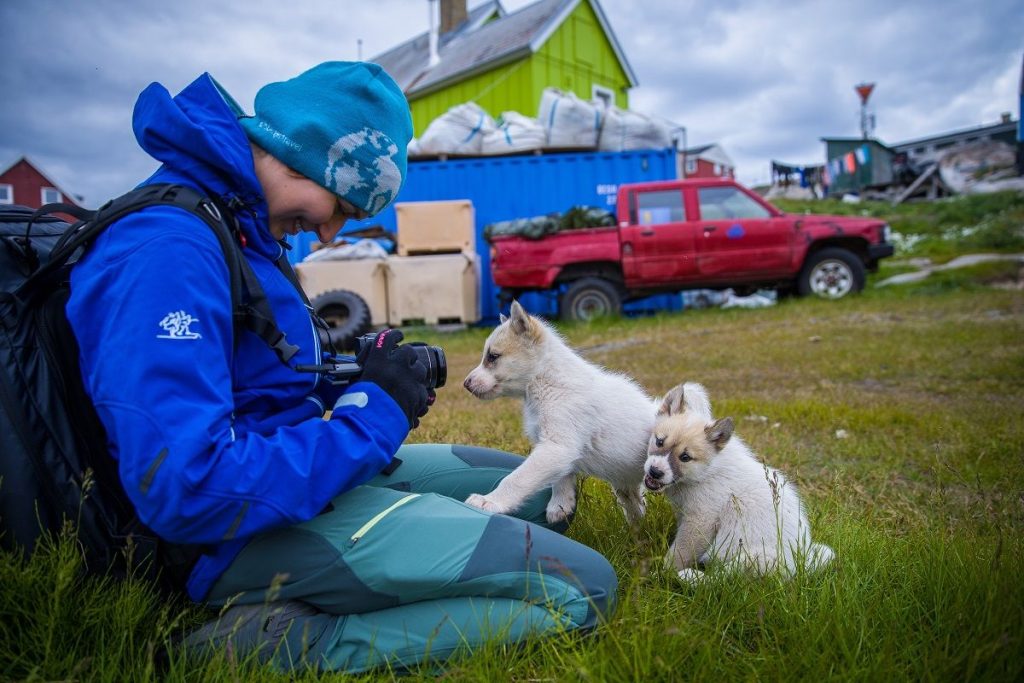


I always have a problem explaining where I come from. I am of Ukrainian descent, was born in the Russian Far East, grew up in Kazakhstan, and lately have been living in New Zealand, Singapore, and Norway. And the most confusing part? My heart always belonged to the Arctic and only after I started traveling to some of the most remote regions in the north, I found my true self.
During the Soviet Union times my family lived in Kazakhstan, the land of vast steppes and deserts, where the temperatures in the summer get as high as 50C. My mother always had this dream of going as far North as possible, she was attracted by how remote and unexplored the Arctic region was. Therefore, one day in the 1970s she just packed her bags and flew to Magadan, a small settlement on the shore of the Arctic Ocean in the Russian Far East. A decade later I was born there; shortly after my family moved back to Kazakhstan.
But the Arctic never left my mother’s heart. My nighttime stories were legends of Russian Eskimos. I still remember the old books with illustrations of igloos, polar bears, whales, seals, northern lights, and Icebergs.

Iceberg during Midnight Sun, Ilulissat Icefjord, Greenland
Many years later I became a professional photographer and my work took me all over the world. But not North enough. After meeting my husband and fellow Nature and Wildlife Photographer Karim Sahai, I joined him in leading Photography Tours in Norway, Iceland, Svalbard, and Greenland. That’s when I started feeling like home.
When I drive through a snowstorm in Svalbard, I remember my mom telling me how some winters she had to miss work because the wind was so strong, that she couldn’t walk out of her home.

When chasing the famous Northern Lights and sometimes spending hours in freezing temperatures, I hear my mother saying “During the Polar Night (6 months with no daylight) Northern Lights were so strong and bright, many people couldn’t sleep and hung blankets over their windows at home”. What an irony!
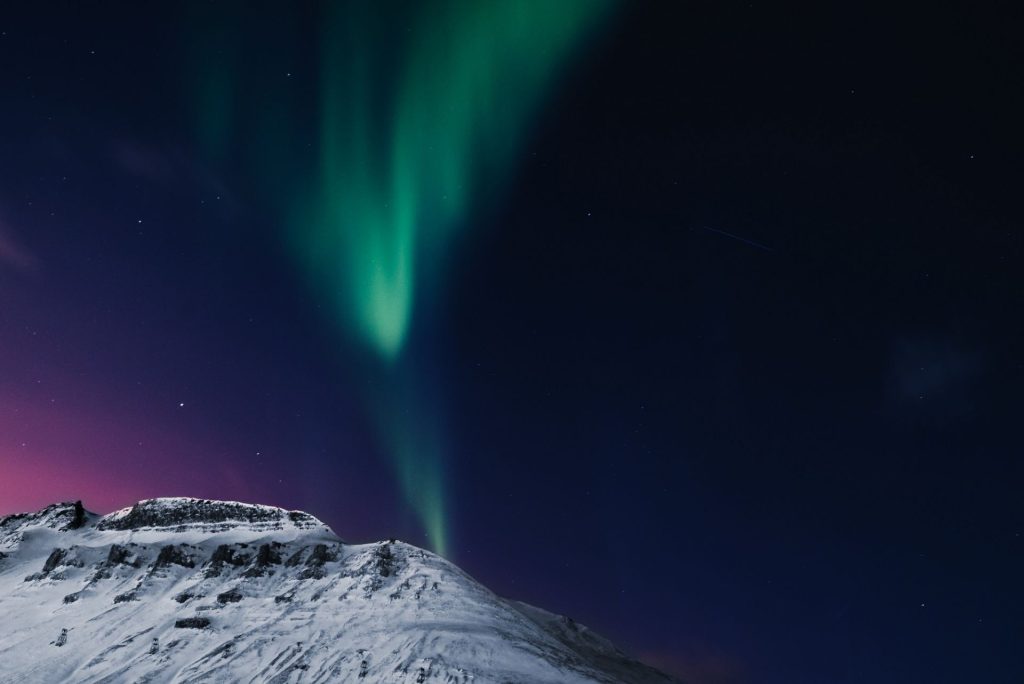
Of all the countries that I organize Photography tours to, Greenland is my favorite. Greenlandic people are closely related to the indigenous population of the Russian North. They share many common legends and customs. Growing up with similar stories, I learned how to respect ice and snow and how to treat Mother Nature as a living creature, with care and gratitude for all we have.
Back when I was a child we didn’t have internet and I couldn’t google how Arctic landscapes looked like. All I had was old soviet books and my imagination. But when I first landed in Greenland, I realized that nothing could have prepared me for the grandness of the icebergs and the purity of the ice.
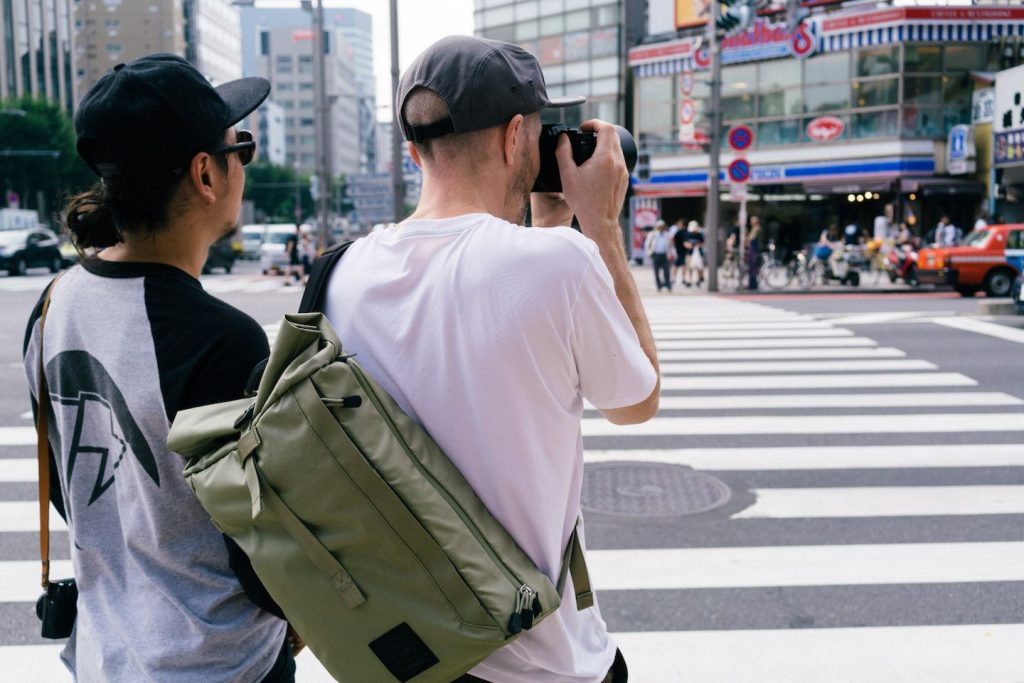
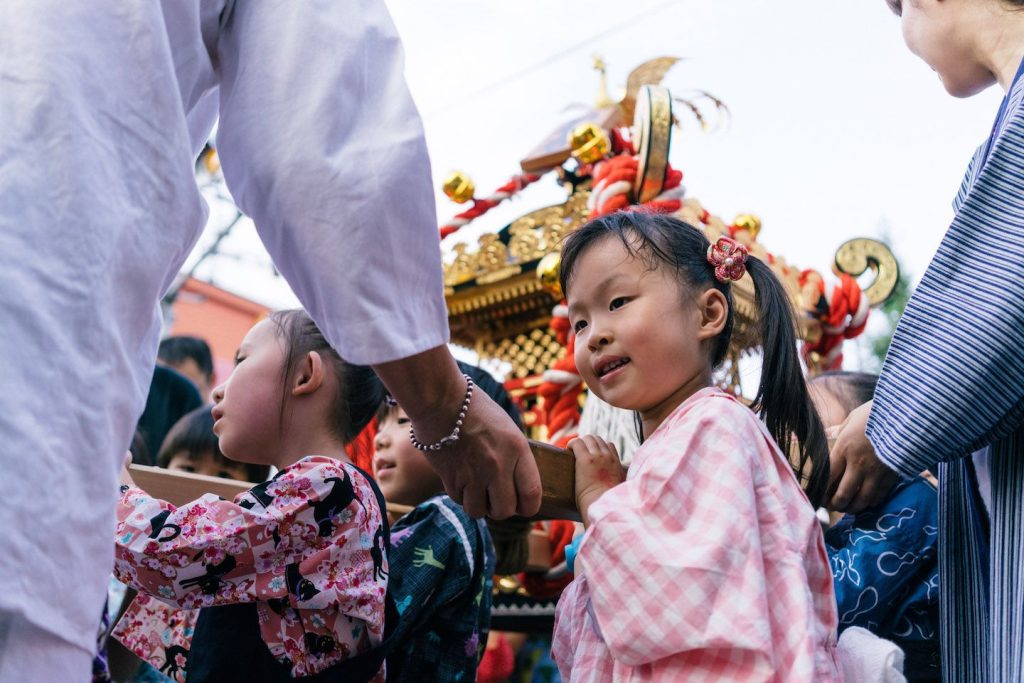
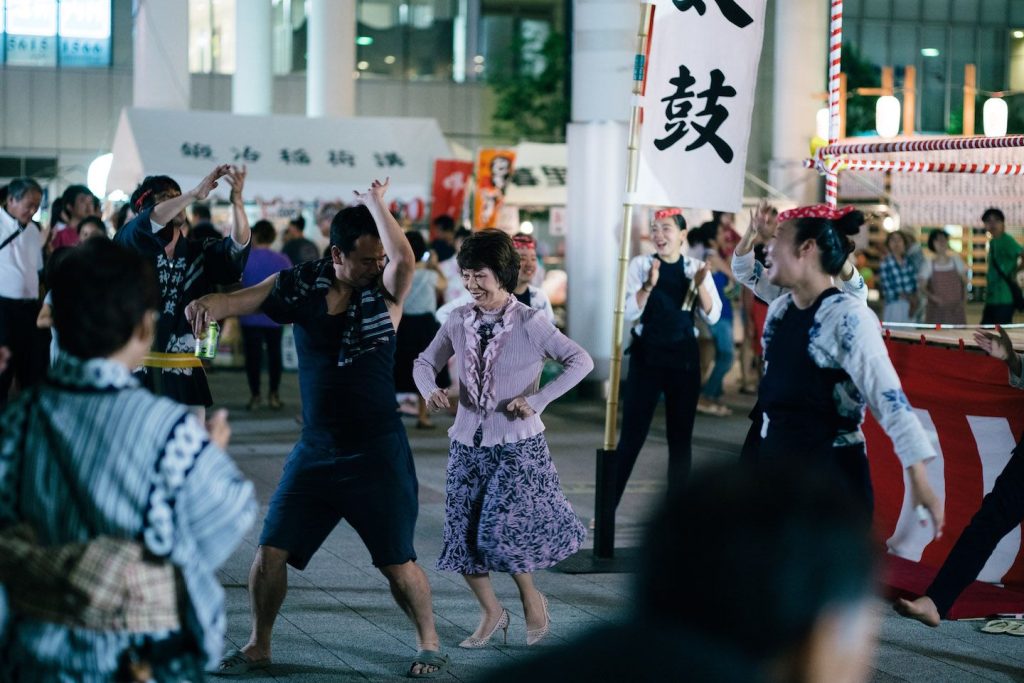
Hong Kong-based Staff Pro, Henry CK, came over to Japan when we took the Urban Series out on the Tokyo PhotoCrawl. Here we look back at Tokyo through the eyes, or rather through the lens, of Henry CK and look ahead to his PhotoCrawl in Hong Kong.
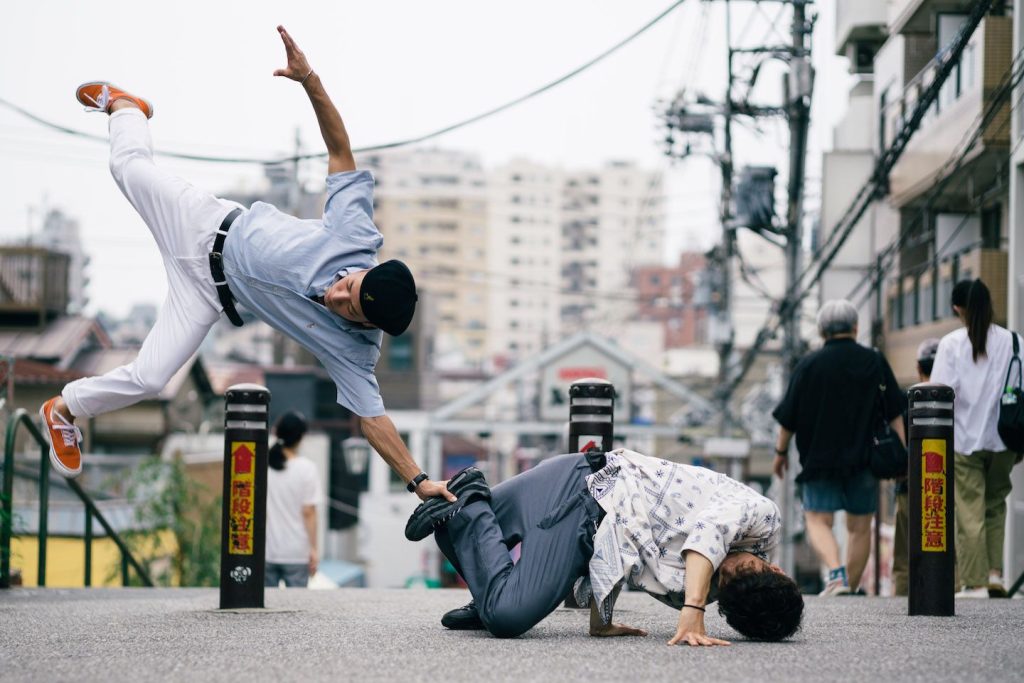
Henry enjoyed the adventures on the streets of Tokyo so much that he will lead one of the next PhotoCrawl events in Hong Kong. You can participate either in person or via Facebook live video. Scroll down for more information on how to get involved!
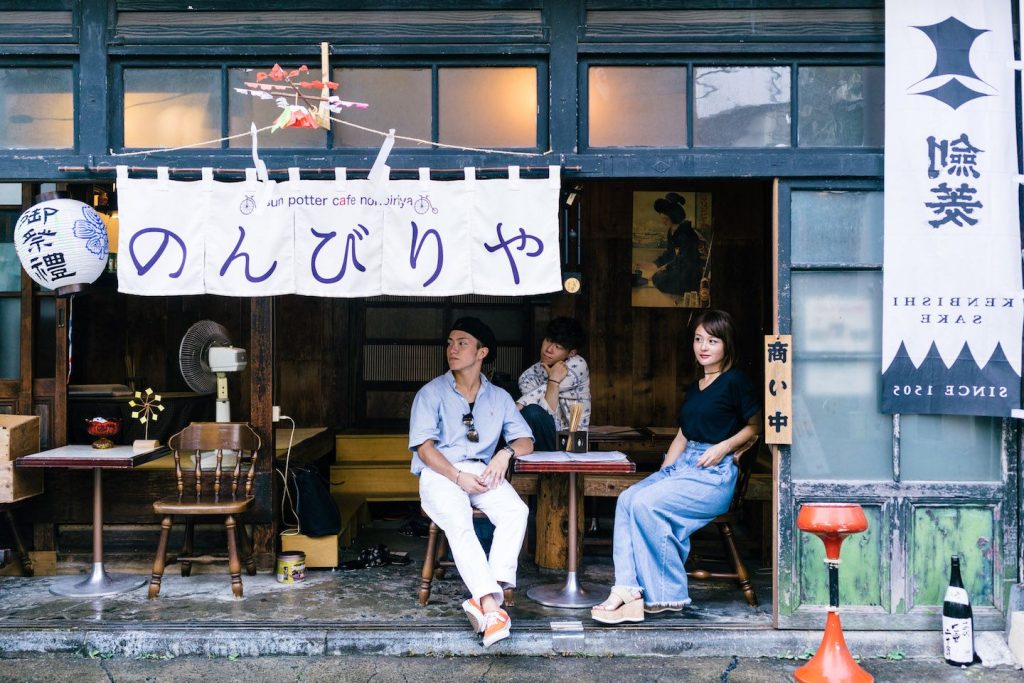
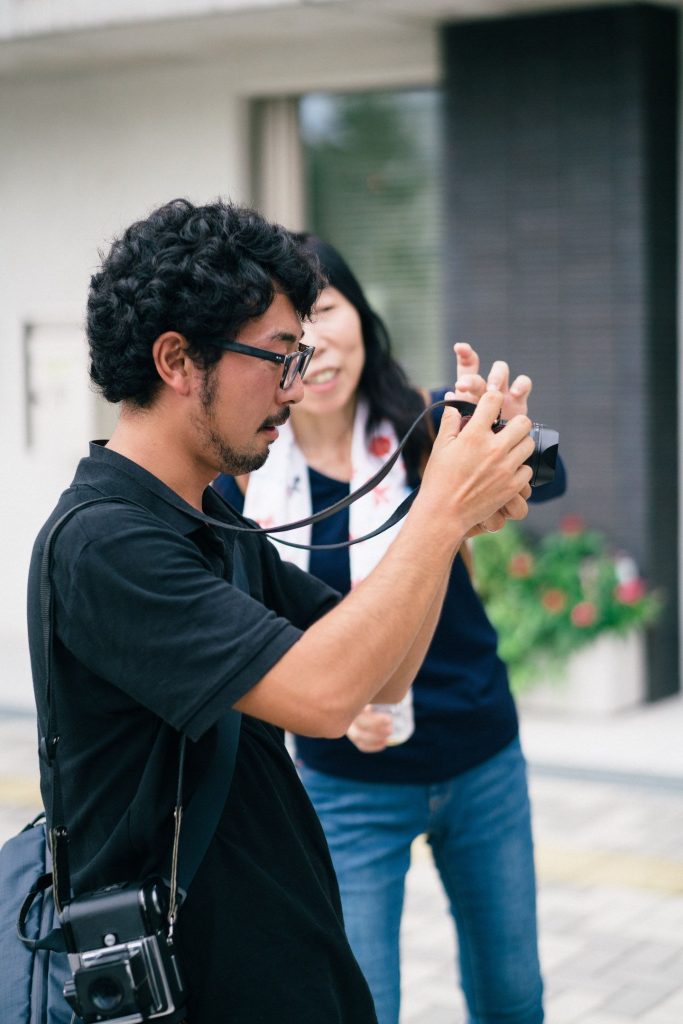
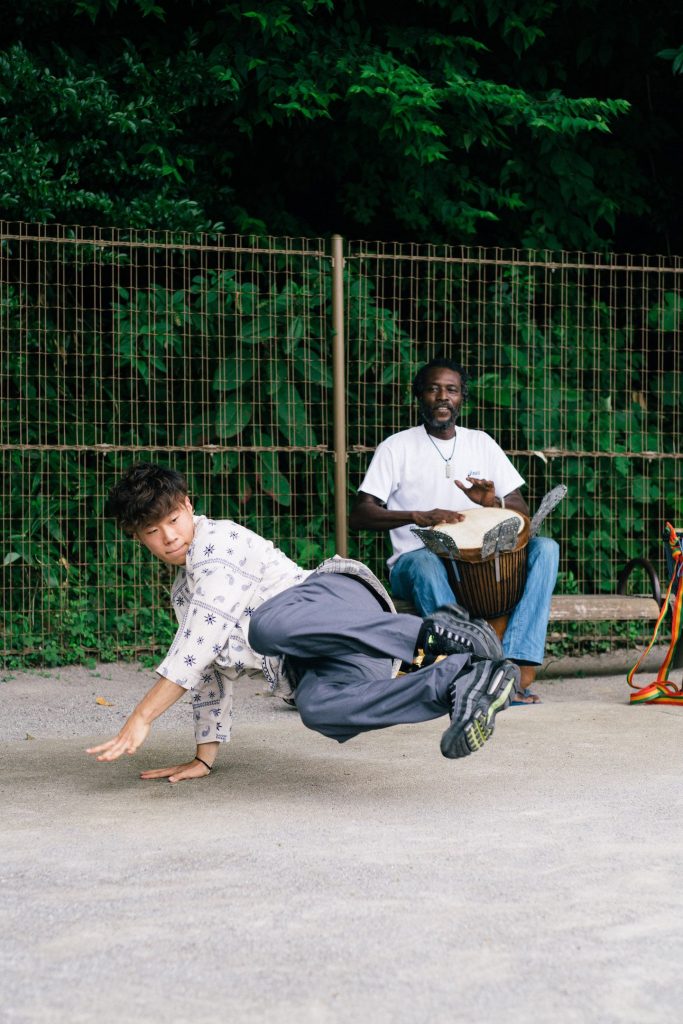
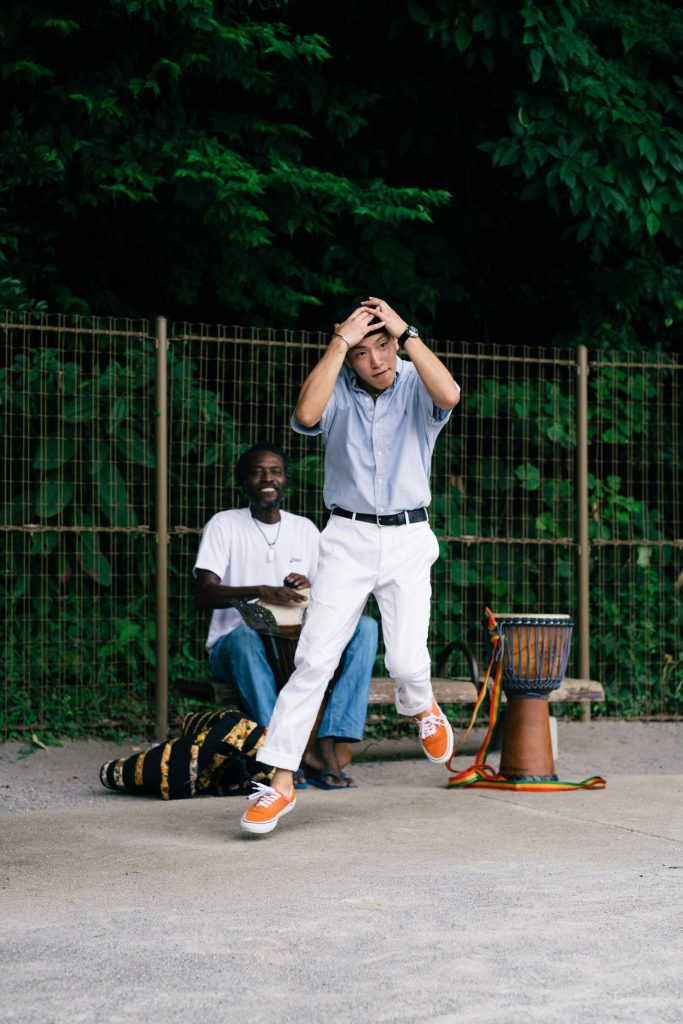
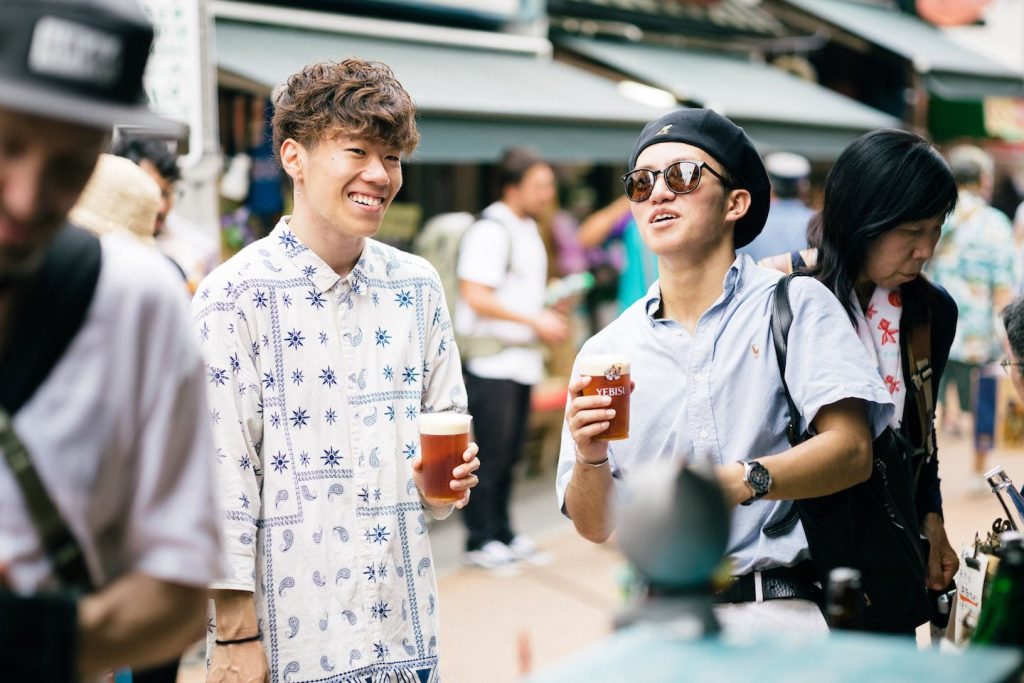
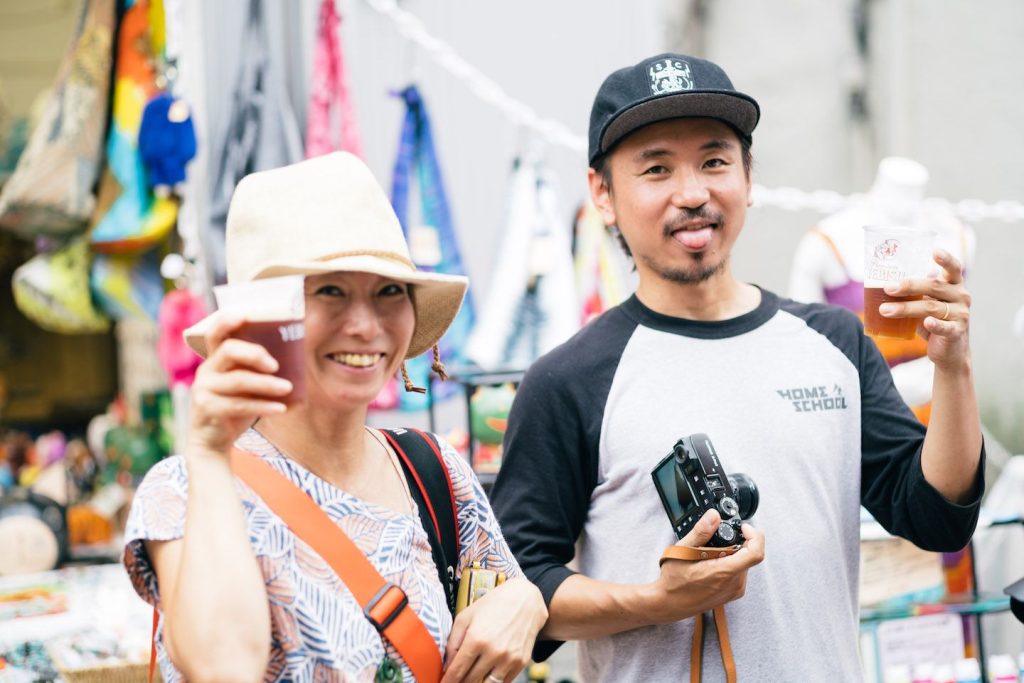
A PhotoCrawl is the combination of two of our favorite things: a decent glass of beer, and taking photos:
PHOTO WALK x PUB CRAWL = PhotoCrawl
Like shooting analog film, the drinking part of the PhotoCrawl is about quality rather than quantity - enjoying the experience. The drink stops provide an opportunity to meet and mix with like-minded visual creatives in a relaxed environment. At the same time, the photo walk part brings the fun of exploration and street photography led by an f-stop Staff Pro photographer.
PhotoCrawls are also a chance to check out the new Urban Series, with a limited number of the new Urban bags available for hands-on test and try - and special discount purchase at the event! A proportion of the profits from all sales will go to a charity nominated by the Staff Pro leading the PhotoCrawl.
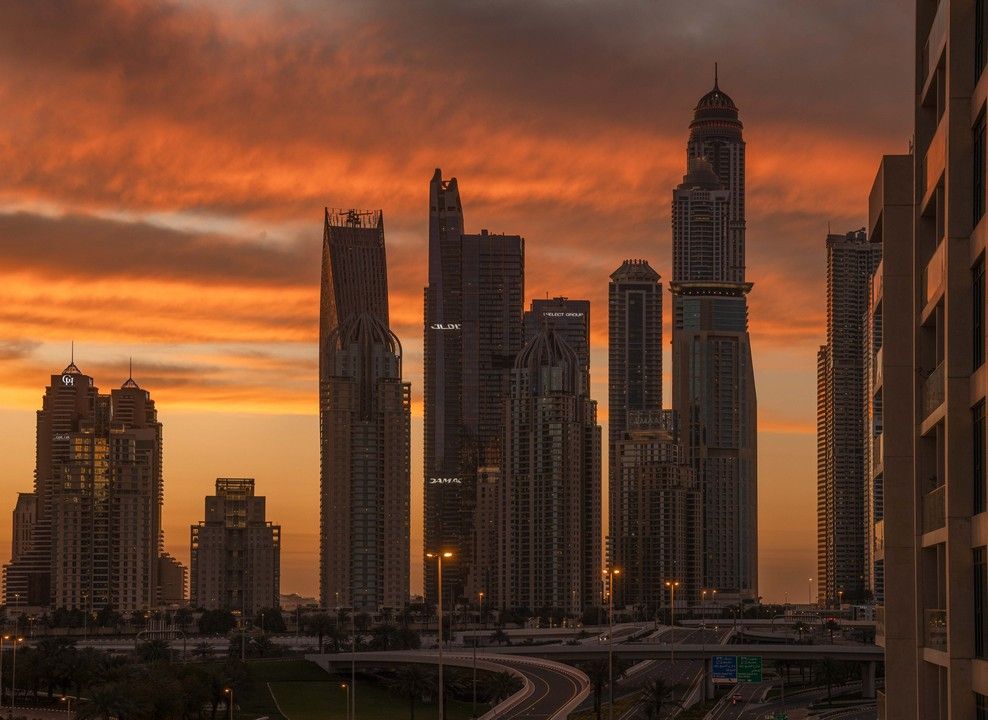
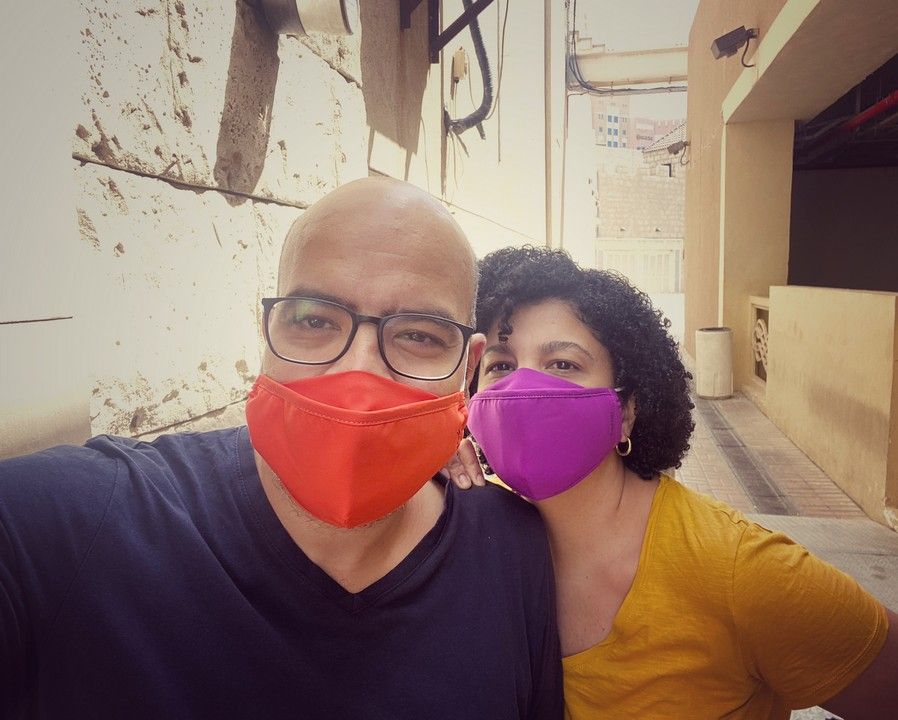
Dany Eid, 45 years old, married & living with his wife in Dubai. He is professional photographer, specialized in landscape & architectural photography. Born and raised in Lebanon, studied interior design and painting. He is passionate to travel exploring the world and runs different workshops sharing his experience with those who are starting out as hobby photographers, might remain hobby photographers or follow their dream and take it to the next level. Dany is a Carl Zeiss global Ambassador & part of Nikon school Middle East & North Africa.
f-stop: How are you keeping up with the current situation? What tools are you using to “normalize” your life considering all the changes caused by coronavirus?
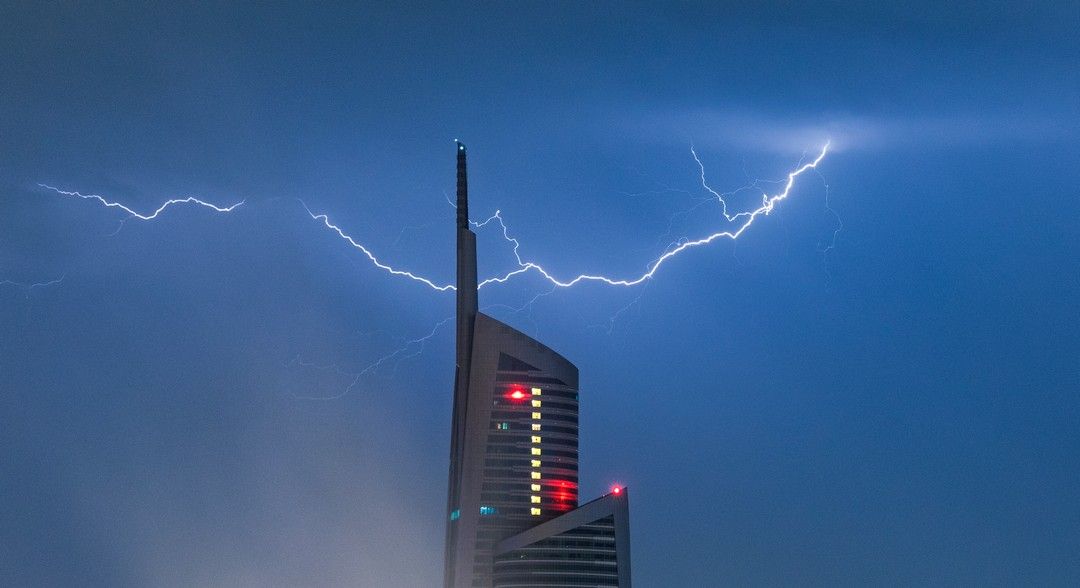
Here in Dubai & since implementing the curfew or a partial lockdown, I have been working more on sorting my photography archives & post processing old images, that were forgotten. I was quite surprised & happy to stumble upon old memories related to images I shot. What I missed the most is leaving the house at sunrise or sunset (my favorite shooting timings) to shoot. I started appreciating my balcony more & more & it became my one & only shooting location. I’m lucky to have a good view & was eve luckier with some great sunsets & a thunderstorm (they don’t often happen un Dubai), where I was able to capture the thunder.
f-stop: Do you have anyone close to you who works in healthcare? How has their lives been impacted?
Not really, the only one I know working in the healthcare section is a dentist, who is taking all possible measurements including protective gear, while treating a patient. It’s quite challenging for him. However life goes on.


f-stop: What are you doing to improve the situation in your community, your family, or your surroundings?
I would say everyone is dealing with the situation in a different way, some are quite pressured & others are cooping & dealing. The most important thing is to respect each other & not to underestimate other’s fear or anxiety feeling. On the contrary maybe give a helping hand & draw their attention to how they can fill up their time doing something creative. As a photographer I would recommend to make use of your camera, not necessarily your professional camera, but any camera you have. Cook & shoot your food, look out of your window or balcony, check out the view. If you have a garden or plants capture a picture then check tutorials, work on old images you once took, compare old & new images you took. I just came across one of the first images I shot years ago & would very much like to re-capture the same lighthouse again. I’m sure the image will be different
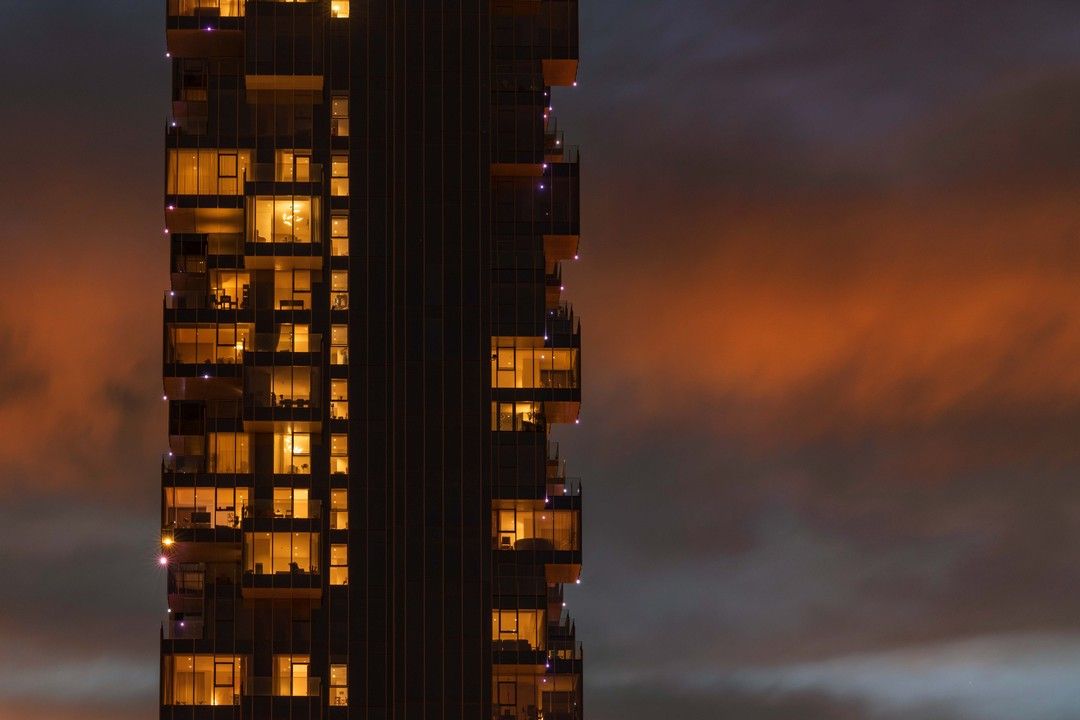

f-stop: What tools did you use for post-processing the old photos you found? Are you planning on publishing those?
I used Adobe Photoshop. I regularly post my images on Instagram, especially when I come across old images that bring good memories. The images that I am referring to can be found on my Instagram.
f-stop: What's your plan for the near future / do you have anything special you'd like to achieve in the coming period?
I would start with what I miss the most during the pandemic crisis & that is traveling. So once the border restrictions are lifted, I would like to ride in my car Obelix & travel. I almost got stuck in Saudi, where I had my last trip before the border closure, exploring the Saudi desert & planning for the launch of new photography overlanding workshops. So until the borders open, I’m exploring my destinations & mapping the routes & stops I would like to take / visit.
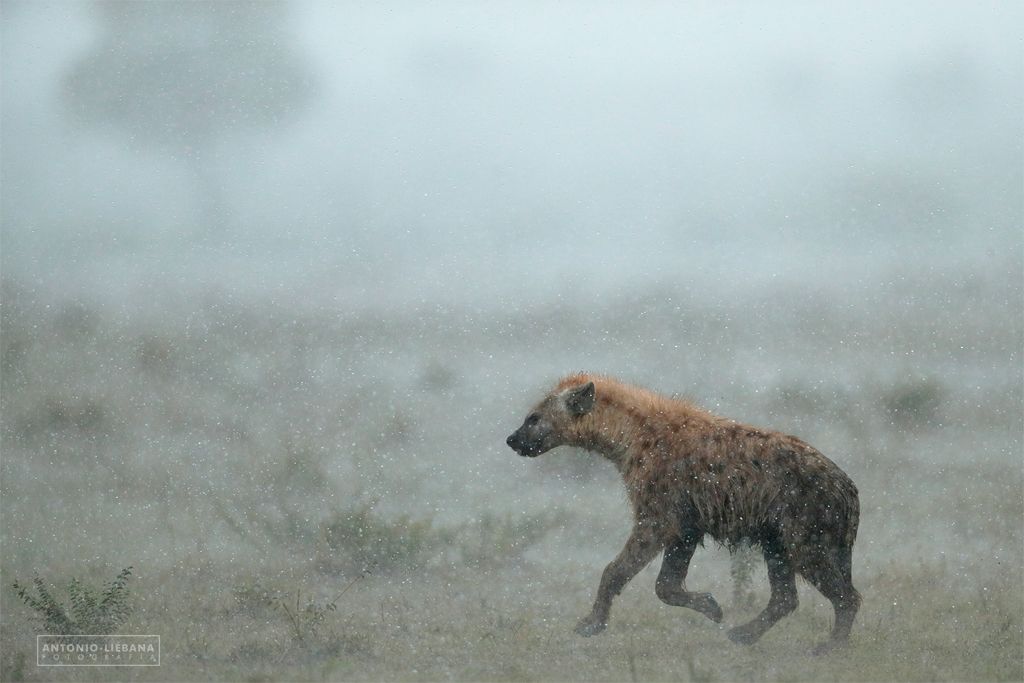
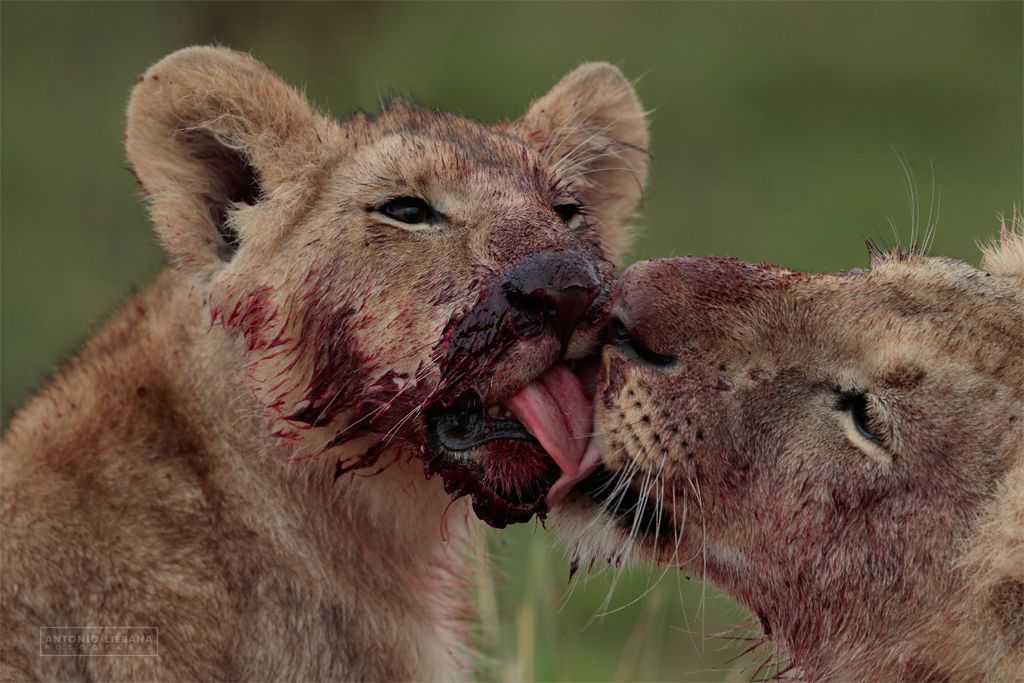
With more than 20 years of experience in the world of photography, Staff Pro Antonio Liebana is one of the most prolific wildlife photographers in Spain. Check out what he has to say about his work, the gear he uses as well as his favorite locations.
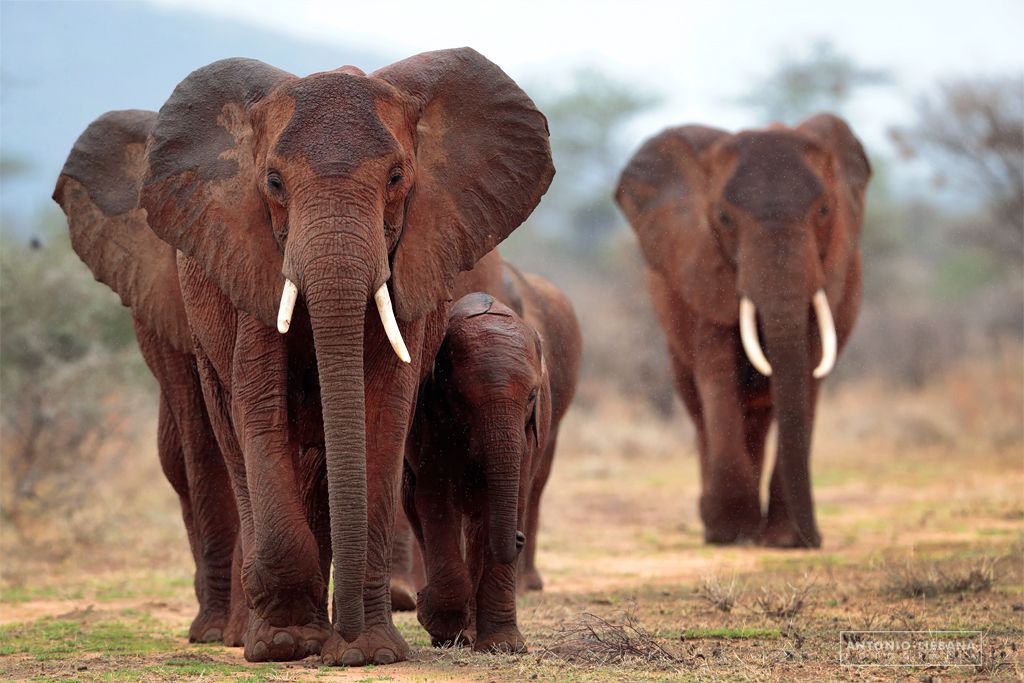
How do you prepare for a safari in Africa?
A safari to Africa works like any photography project. You have to plan and document the best times and places, in order to be able to photograph what you want. Despite trying to carry everything as tight as possible, something unforeseen can arise at any trip. Be forewarned that everything can change in seconds and be prepared for the unexpected is the best attitude.
Why Africa?
Africa is a magical continent and one of the last bastions of wildlife where you can find large mammals living as they have been doing for thousands of years. You can still see the great migrations of mammals and the wild day to day. In that environment, surviving next day is one of the biggest goals.

After so many trips, what was your main objective on this trip?
Finding new challenges, after more than 20 trips, is not easy. You are always trying to improve the images of previous trips. This is how new situations arise and you live moments in the wild that you may never live again. On this trip, the main objective was to photograph leopards lurking in search for food. It is an animal that is usually quite inactive and I wanted to try to get images of the leopard completely crouched looking for food with a stealthy attitude. It was one of the images that I lacked for a monographic article on the leopard.
Photographing from a car is not easy. How do you usually work?
After managing to locate and track the animals, then having luck that the light is good and that the subject is doing something interesting, there is no room for error in the photographer's methodology of work.
To photograph from a vehicle, you need not just to have everything as organized and close as possible, but also to have a quick access. In moments of action where every second counts, the time decreases quickly. At the same time, all accessories need to be protected from the dust and constant rattle of the 4x4. On the last safari, I incorporated two elements that have made the sessions easier- the Navin and the Harney Pouch for extra batteries, memory cards and multiplier (tele-converter).
I used the f-stop Harney Pouch, placed it right in front of my seat, this way I speed up everything significantly. I placed the extra camera body in the Navin. This way I freed up a lot of space in my reduced workspace.
Gustavo Cherro is a visual storyteller, and more than 20 years ago, he worked as a photojournalist in different newspapers, magazines, and agencies. Today he is choosing his own stories to develop. He always tries to have a human component in the project, and he usually prefers to work in natural environments, often sports or adventures and other times with a social and human component. These activities can be in mountains, boats, jungles, swamps or in a large city, although the latter, he always prefers to avoid it.
Words and images by Gustavo Cherro

f-stop: You are known for traveling to amazing places, and always being in the field. What was this adventure about?
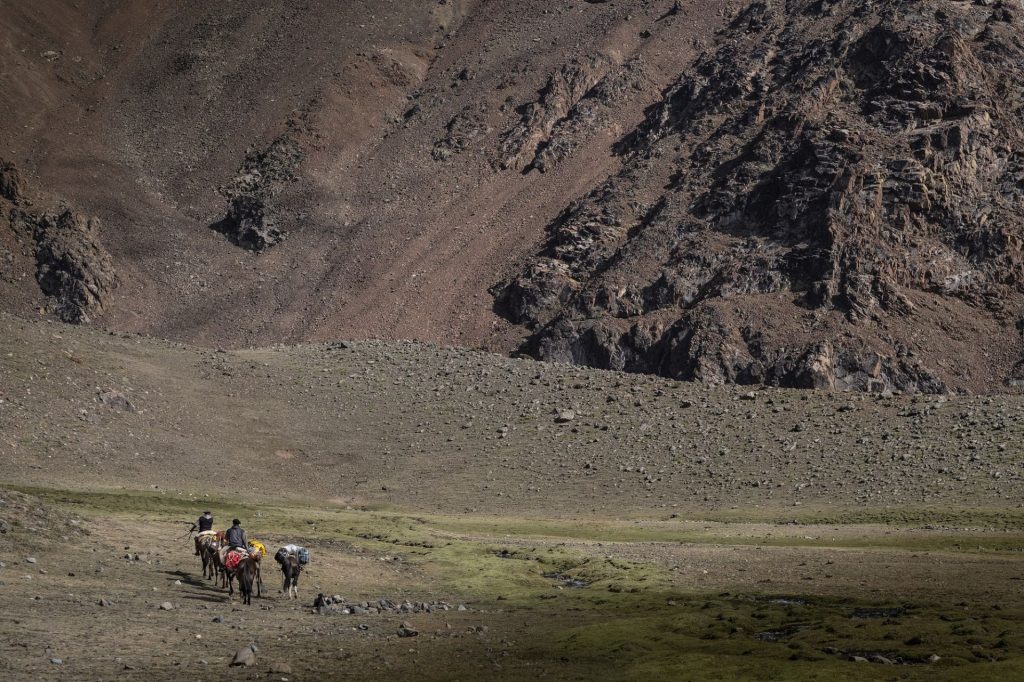
Gustavo: The Cordón del Plata is the "high mountain" school of Mendoza in particular and Argentines in general. A short distance from Mendoza, Argentina (70 km) we have, in those mountains, one of the few relatively "alpine" landscapes of the country; Where altitude, really big mountains, ice, and verticality are combined. It is a midpoint between the great distances and desert softnesses of the high mountain of the Northwest and the concentrated and granite moles of Patagonia.
Due to the wide range of the assignment, I decided to go alone, to have the necessary times and not keep in mind that someone was waiting for me. I wanted to show the full beauty the place, its geography, flora, and fauna
f-stop: What was your biggest challenge during the adventure, and how you overcame those challenges?
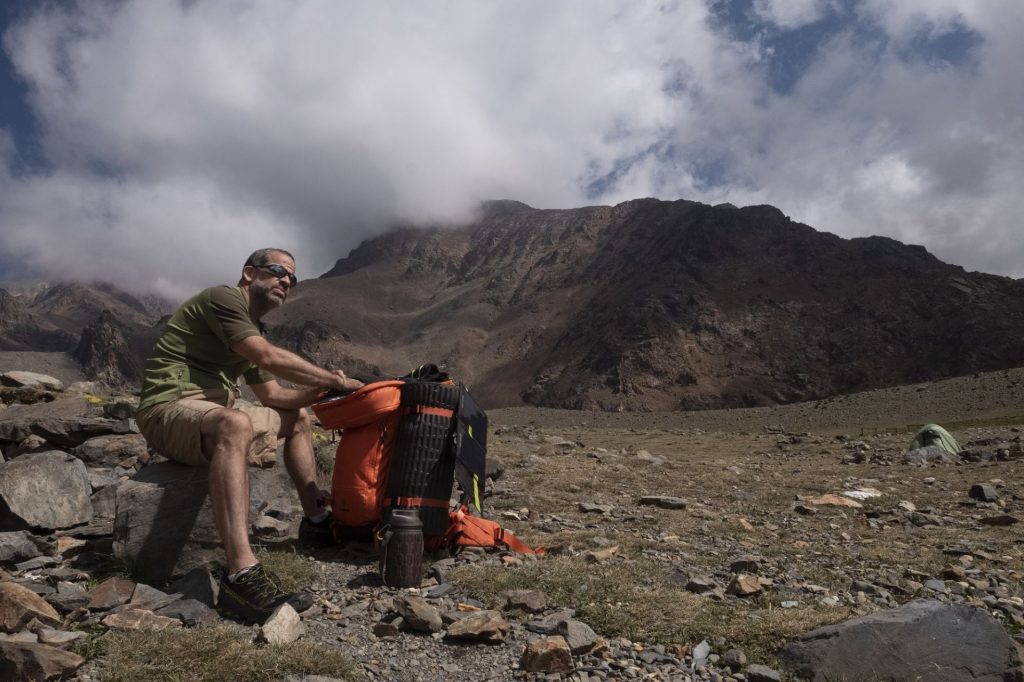
Gustavo: The aggressive weather, the height, the great distances, the cold night and its actions on the batteries of my gear and the transfer of all my equipment With respect to the weather, it is important to have the necessary equipment and knowledge, being poorly dressed can be a serious problem, the same happens during the hours of rest and cooking. The height can only be assimilated with the appropriate periods of acclimatization, sleeping, and living over 3000 meters requires that the body gets used to that and it is necessary to take the necessary time. Walking the necessary distances to take the right picture, require only training and patience, and the transfer of my equipment, in this type of exits, I entrust it to my f-stop Sukha. It is spacious, comfortable and safe.
I practice mountaineering from a young age, and I have been working on images in these conditions for many years, but every time I see myself face to face with the mountain, she teaches me how small I am, how small the problems are that I daily They seem huge and all of them are solved with a better point of view and that to avoid problems, we just have to get away from them.


f-stop: Can you remember some of the best moments of the adventure?
Gustavo: I think seeing the wild birds of the place not fearing me and eating centimeters of me was one of those great moments. One afternoon, a young woman appeared with a baby in her arms near the camp, without a backpack, without a tent, without any equipment, left her 2-year-old baby (calculation) and started practicing Yoga, she did it for a while and then disappeared again.

f-stop: For the people that plan to visit Cordon del Plata, can you share some tips and tricks?
Gustavo: Try to travel with the least amount of equipment possible, only strictly necessary, wear the right clothes so that when the worst weather forecast happens, there is nothing left in the backpack to put on, the sleeping bag should be the best you can carry, It is the only space and moment that will give you warmth and rest. Never be alone on the mountain without communication with the outside, always have elements that serve to warn of a problem. Always protect your batteries with the heat of your body, even at night. Drink a lot of liquid and give your body the "necessary" time so that it does not suffer with height
You can find Gustavo's work on his Instagram and Facebook.
1.PLAN YOUR SHOT
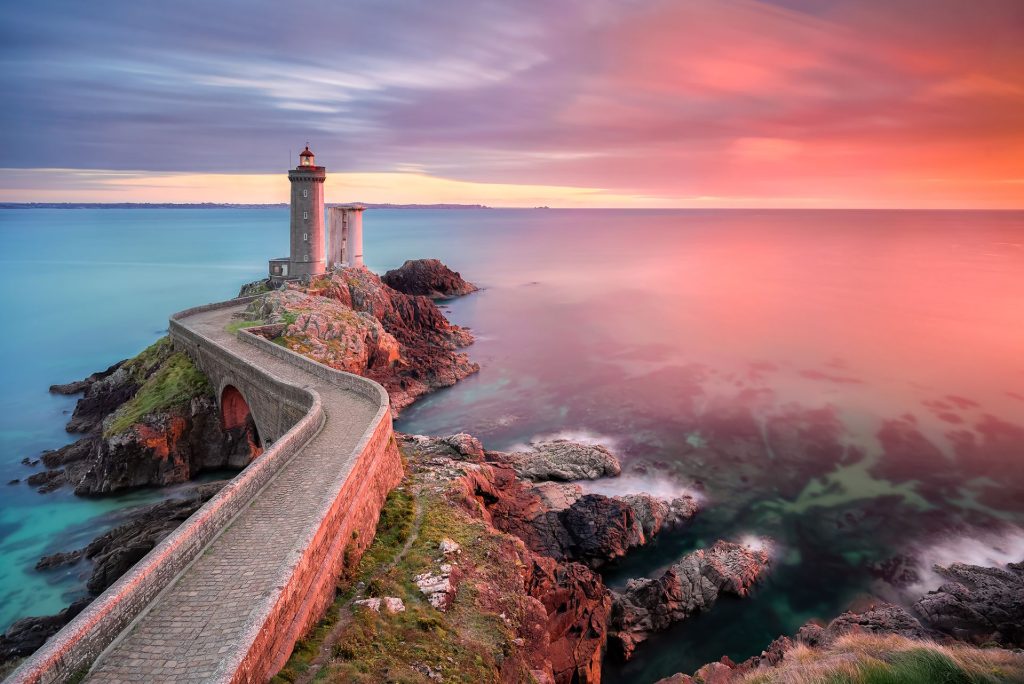
The first element you need to capture a colored seascape is a nice location.
You can maximize the chances to frame something great if you know in advance where the sun will be at sunrise or sunset, according to the moment you decided to capture the image. As sun position can be accurately predicted, you can decide your location and composition well in advance. Pro tip: use an application like PhotoPills!

2. CHECK THE WEATHER
A great location and a perfect composition is not enough if the light is not on your side. For this reason, weather can play a decisive role.
To maximize the chances of a colorful sunset or sunrise, you will need some clouds in the sky. A great way to understand how the situation is going to evolve is to take advantage of technology using some Apps. My favorite one is Windy that let me track not only the cloud coverage but also the direction where they are moving!
3. GO WIDE!
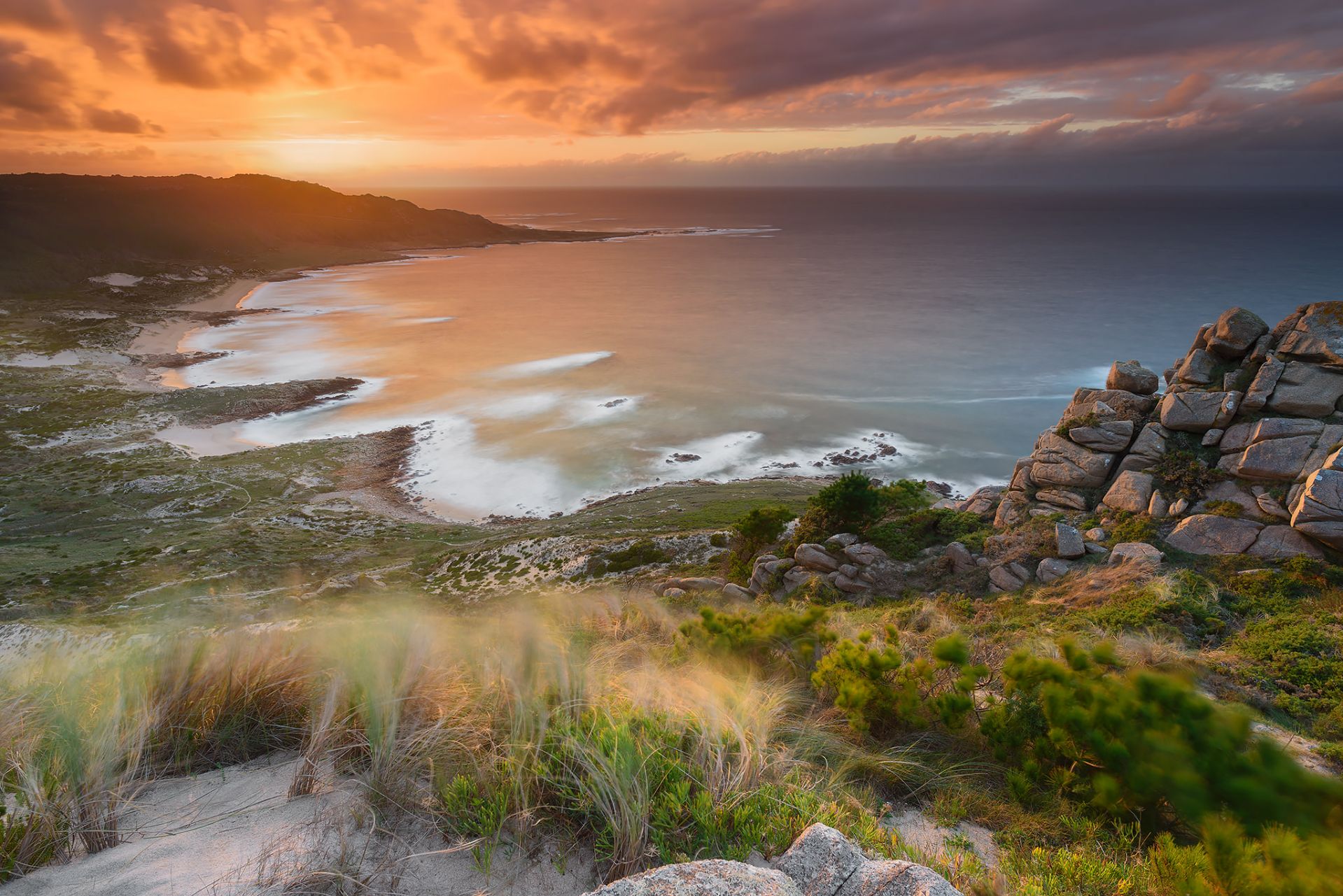
When the sky starts to lit you’ll want to capture all the marvelous light around you. For this reason, I suggest you use a focal length between 14mm and 21mm. Moreover in a seascape image a wide angle lens will let you get more details in the scene, allowing for example to capture at the same time the beautiful clouds and their reflections in the sea.

4. USE A TRIPOD
At sunset and sunrise light conditions may require you to extend the shutter speed. In order to avoid blurry shots I recommend the use of a tripod. While the camera is on the tripod remember to deactivate on your lens or on your camera body the anti vibration mechanism otherwise the risk is that you’ll get a blurry shot anyway. If you're shooting with a DSLR use also the mirror lock up function: you will reduce even more the chances of not having a super sharp shot!

5. USE FILTERS
Your eyes see much more details than your camera as they have a better dynamic range. For this reason if you want to capture the colored details in both the bright areas and the dark ones of the scene, use Graduated Neutral Density (GND) filters: they will work like sunglasses for your camera! Another great filter is the Polarizer: it will let you to remove reflections on the surfaces, the haze effect in the sky and to naturally saturate the scene. But be careful: if you remove the reflection from the water, all the nice color of the sunrise or sunset will be gone!

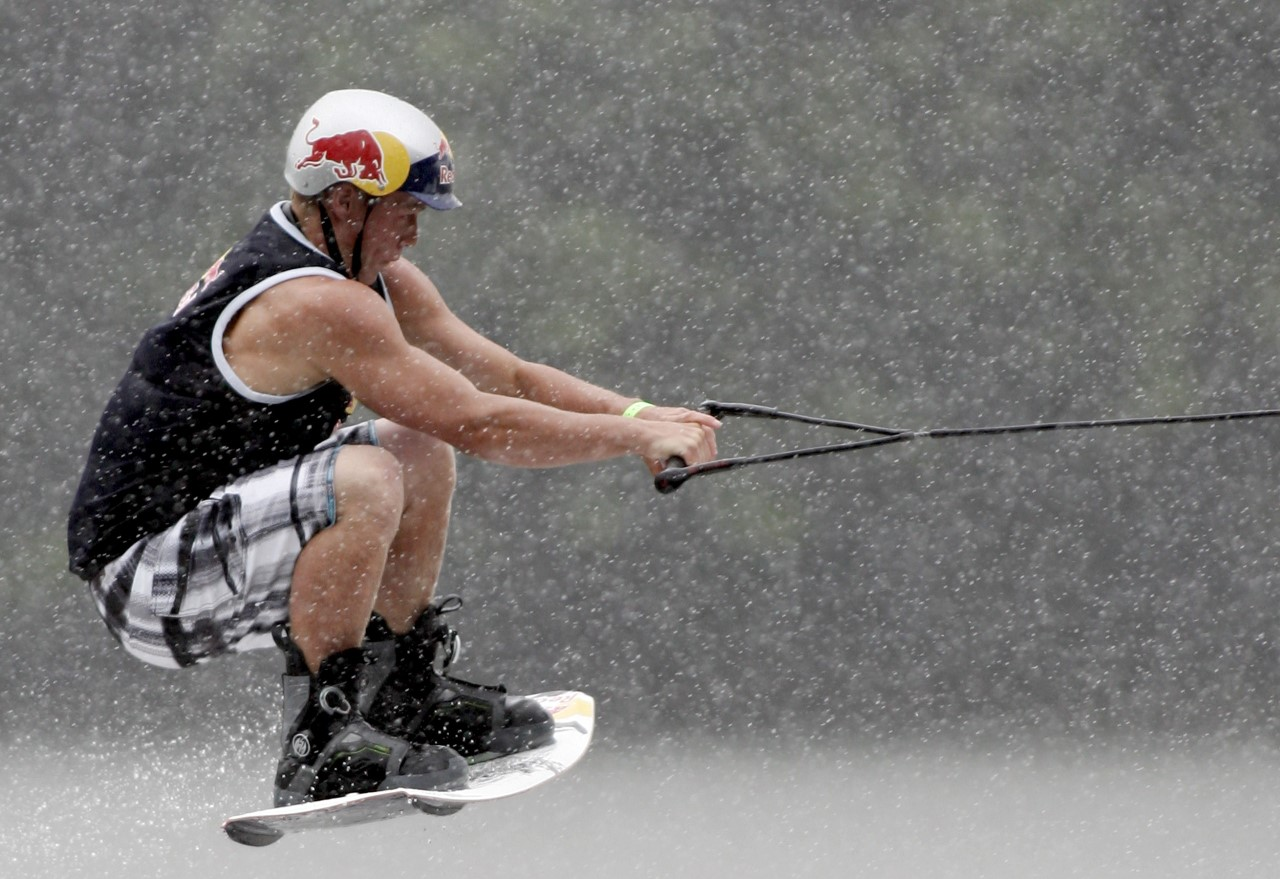
1. THINK FAST, BUT BE PATIENT
Do not panic if before the first jumps do not get good results, your mind and ability will understand the athlete's times and as the day progresses, everything will improve. Do not hurry
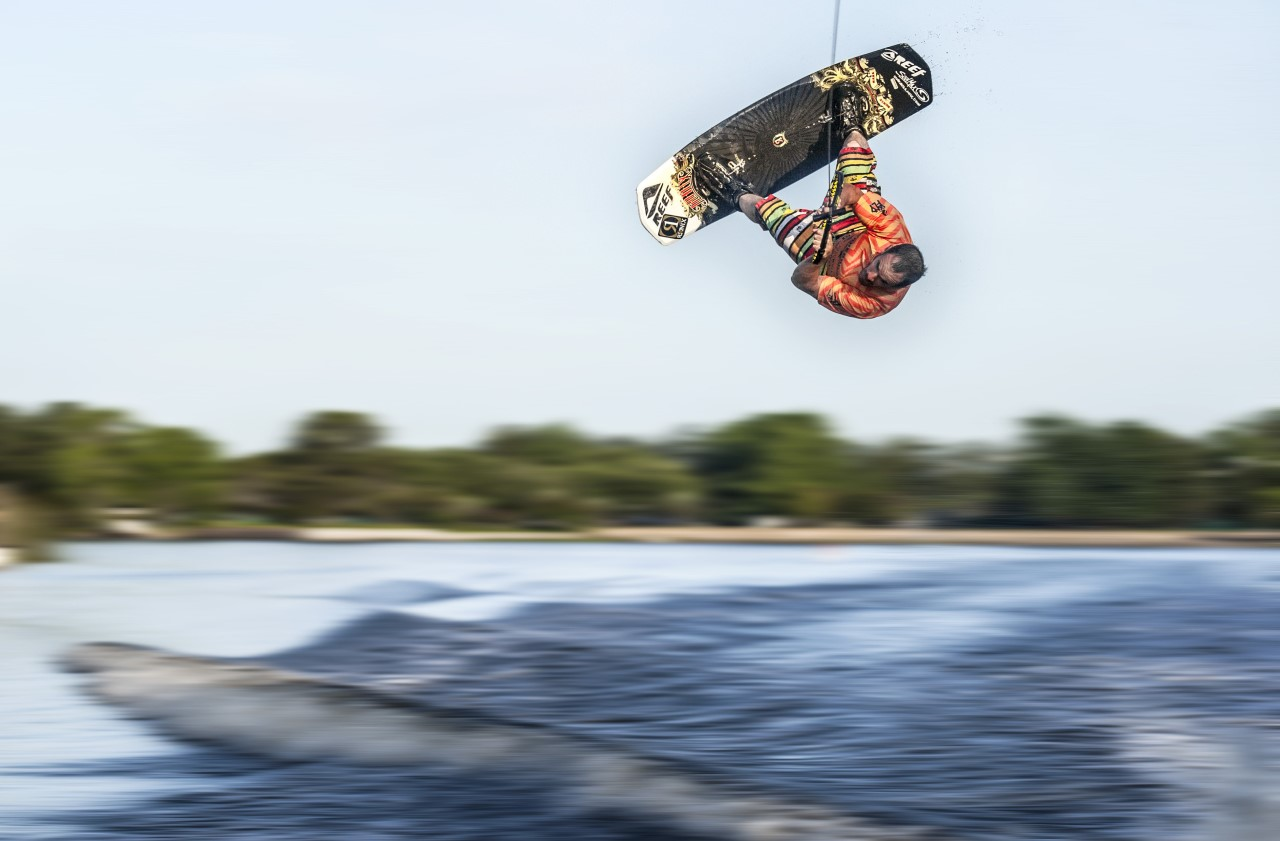
2. UNDERSTAND THE ACTIVITY
Try to meet the athlete, observe his movements and learn about him, if possible, interact with him and deepen that knowledge. This will help you get better results.
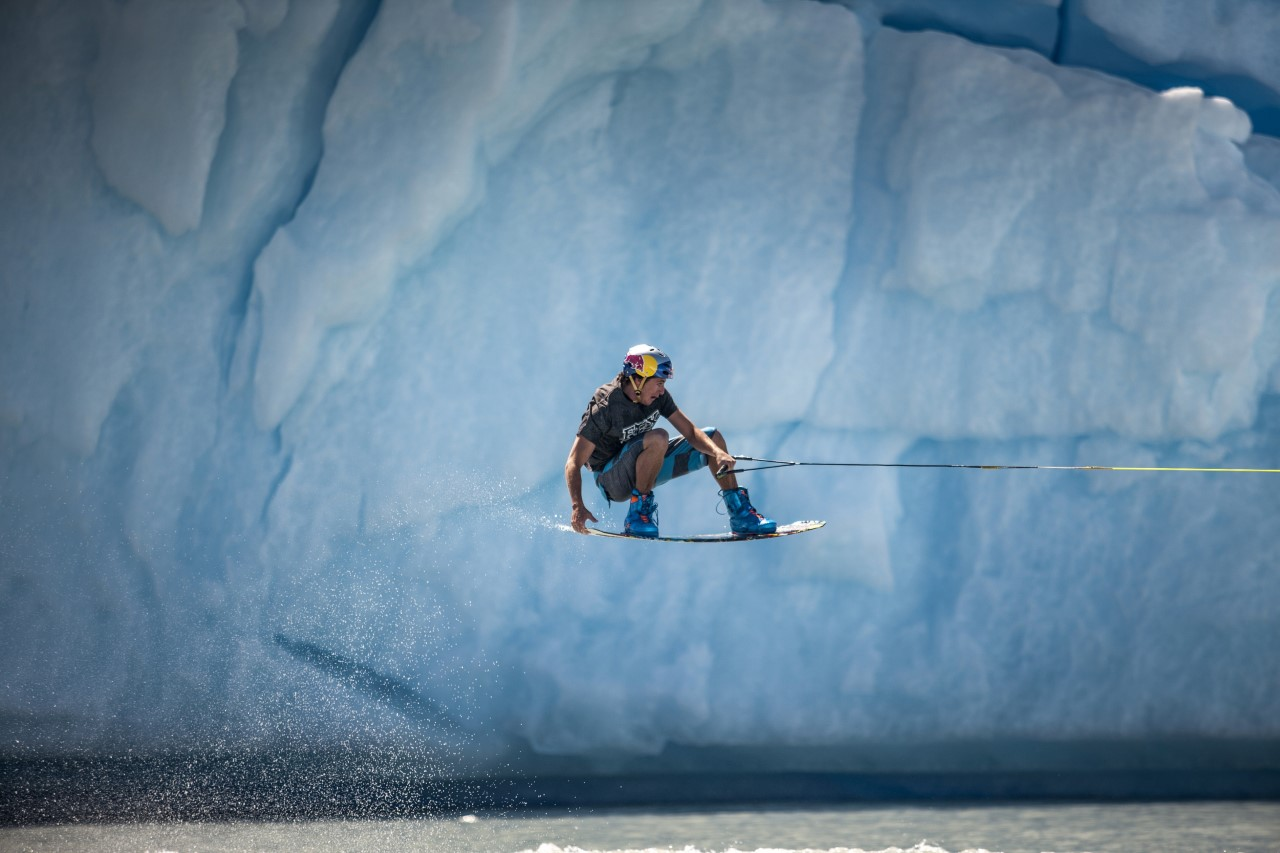
3. THE BACKGROUND
A stunning background can transform a simple photo into one that is extraordinary. Take advantage and be "ironic" with the environment, a rider running out of his environment will always impact more visually.
4. MAKE UP THE IMAGE
Is one of the most important aspects of a photograph, the composition of an image is what makes it great. Many times the place of the shot is predictable, and this allows us to preview and compose in our mind the image before it happens.
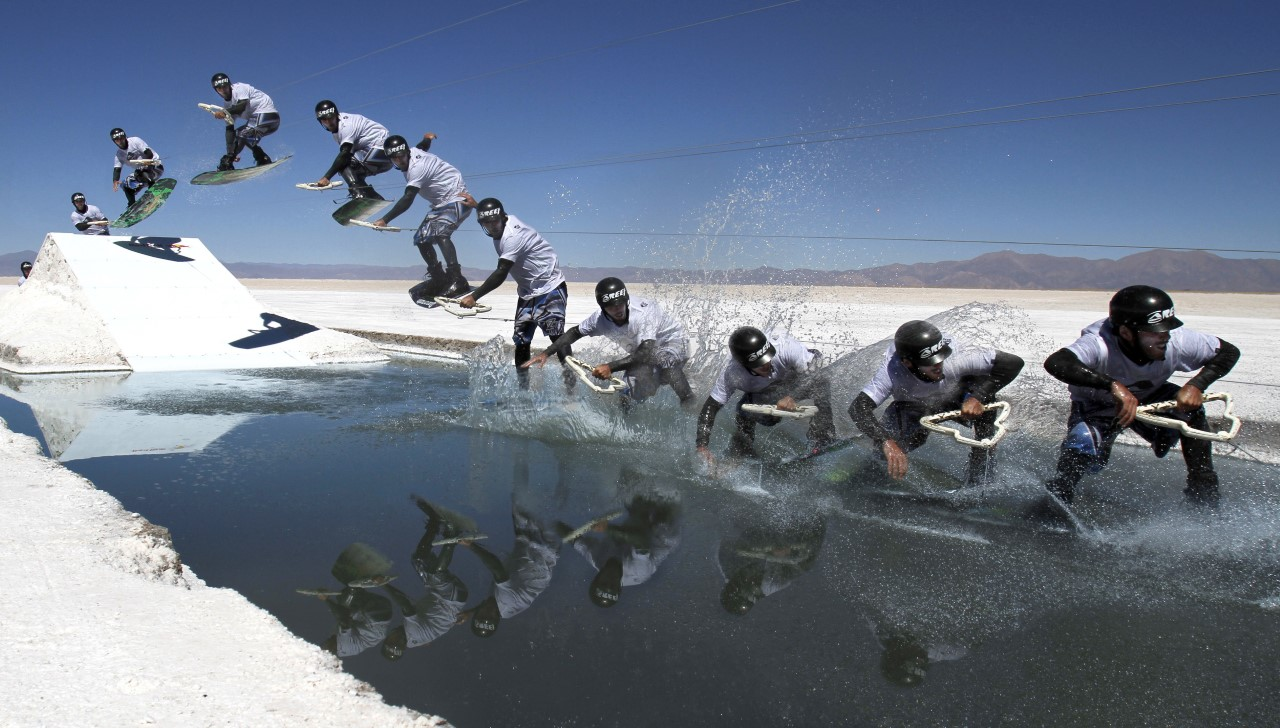
5.ANGLES
The best way to get cool and different pictures is to get out of the boat and shoot from a different places. from land, from some jump ramp, from some high point, even from inside the water.


6. TECHNICAL RESOURCES
Try to vary resources and techniques when photographing, use low speeds, make half screens, make sequences, choose different lenses.

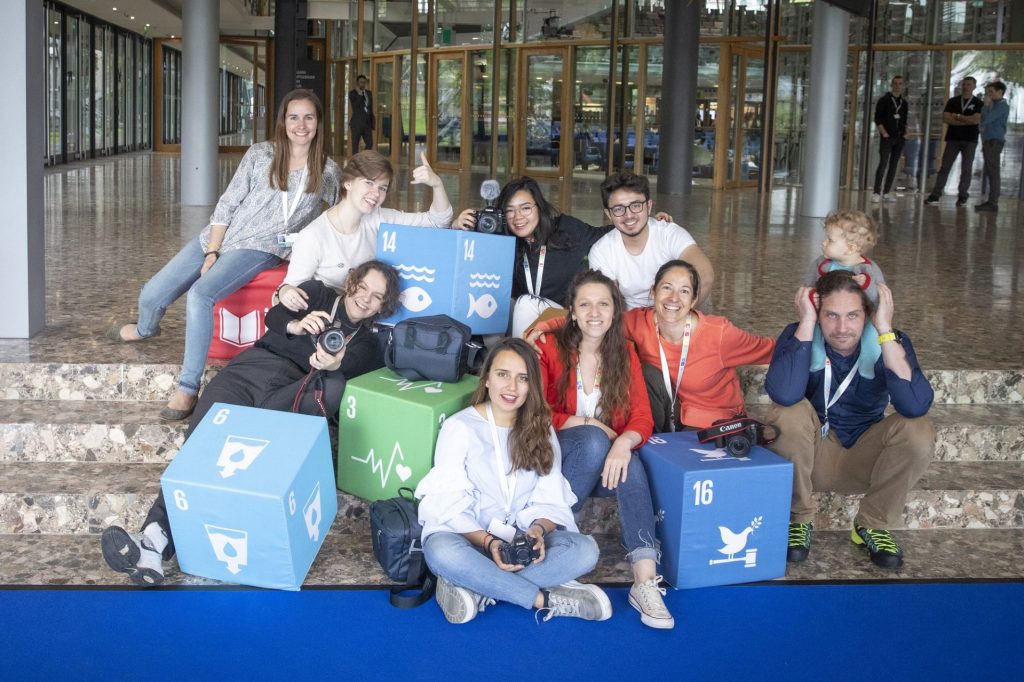
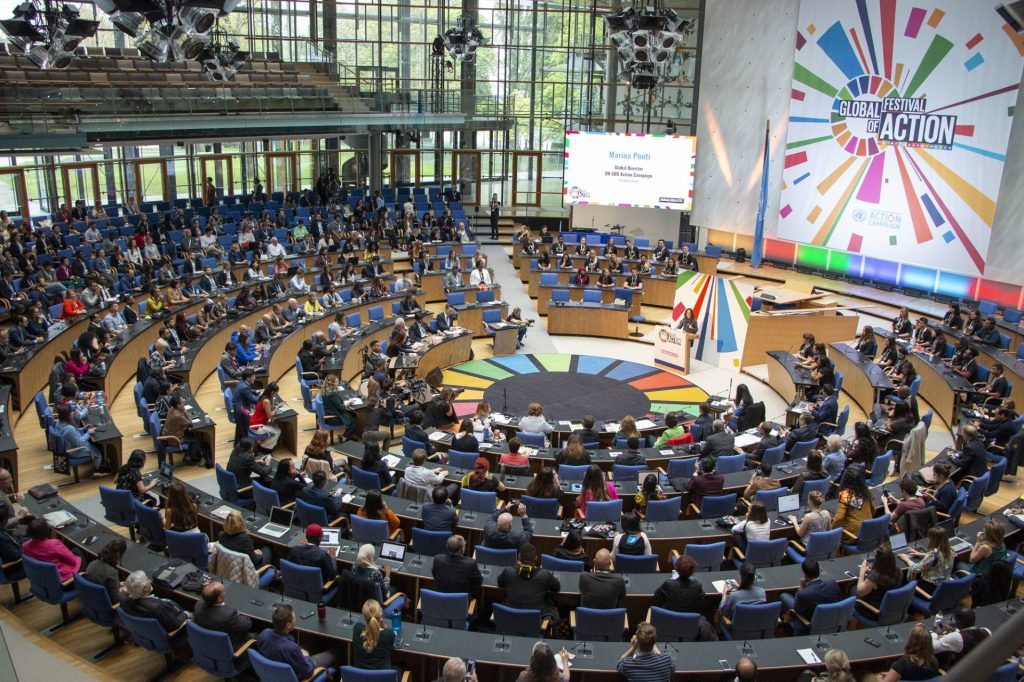
In early May 2019 the United Nations held its Global Festival of Action in Bonn, Germany, to encourage its Sustainable Development Goals (SDGs) and to celebrate the progress that has been made. As part of this festival, Canon sponsored a multi-day visual storytelling workshop through its Young People Programme. The workshop was led by Canon ambassador and f-stop ICON Ulla Lohmann. We learned more about the workshop from Emma Hope, Sustainability Manager at Canon, and Ulla.
How did you learn about the UN’s Sustainable Development Goals and its Global Festival of Action? What inspired you to get involved?
Ulla – I was inspired by the Sustainable Development Goals when I was studying natural resource development in Australia. I was excited when Canon asked me to help teach visual storytelling to participants of the UN’s Global Festival of Action. For 2018, and again this year, we decided to involve Canon’s Young People Programme in the visual storytelling workshop.

What was your role, and did you have a goal before you started?
Ulla – My role in the workshop was to help the students improve their visual storytelling skills and to inspire them to continue creating stories after the workshop ended. Our goal was to produce a body of work that would tell stories of sustainable development through the eyes of a younger generation.
How many students were there and how did they get involved?
Ulla and Emma – The students were previous participants of Canon’s Young People Programme. All five of them were high school students from Germany and Belgium whom we had already worked with in 2017, 2018, and 2019. When possible, we try to provide follow-up opportunities like this to the participants, as the programme’s focus is to provide quality education and to help the generation of tomorrow harness the power of positive visual storytelling to drive change.

Where did this event take place? What did you and the participants work on? What equipment did the students use?
Ulla – The Global Festival of Action took place at the Bundestag in Bonn, Germany. This is a historical location for me, as I remember watching parliamentary sessions there when I was a child. The students worked in three groups to tell their stories in three methods. One group worked on a video, the second group worked on Instagram, and the third group worked with still images, in the manner of photo reportage. Canon donated cameras for the students to use and f-stop donated camera bags.

Did you and the participants face any challenges? If so, how did you all overcome those challenges?
Ulla – The biggest challenge was the short amount of time we had to complete and present the projects. We had to do the training, briefing, gather material for the stories, edit them, and deliver them during the festival, which was May 2-4. In the end, we managed to do all of that. The students were successful. I was very proud of them.

In what ways did the students learn and grow through this experience?
Ulla – The students already had a good idea of how a picture can tell a story. During this workshop they were able to practice what they already knew and use the new skills they learned during the workshop. They also got to work with other people their age to tell stories about issues they care about.

What did you learn from the students? How did the students inspire you?
Ulla – The students are really enthusiastic about making the world better. It was really infectious. They are very curious about the world around them and they were always asking why things are the way they are and how they can be better. I am grateful that my job allows me to be curious, ask questions, and be enthusiastic. The students reminded me how important this is. I hope the workshop we did together helps them realize that they can become storytellers in their own ways. It is all about inspiring each other.
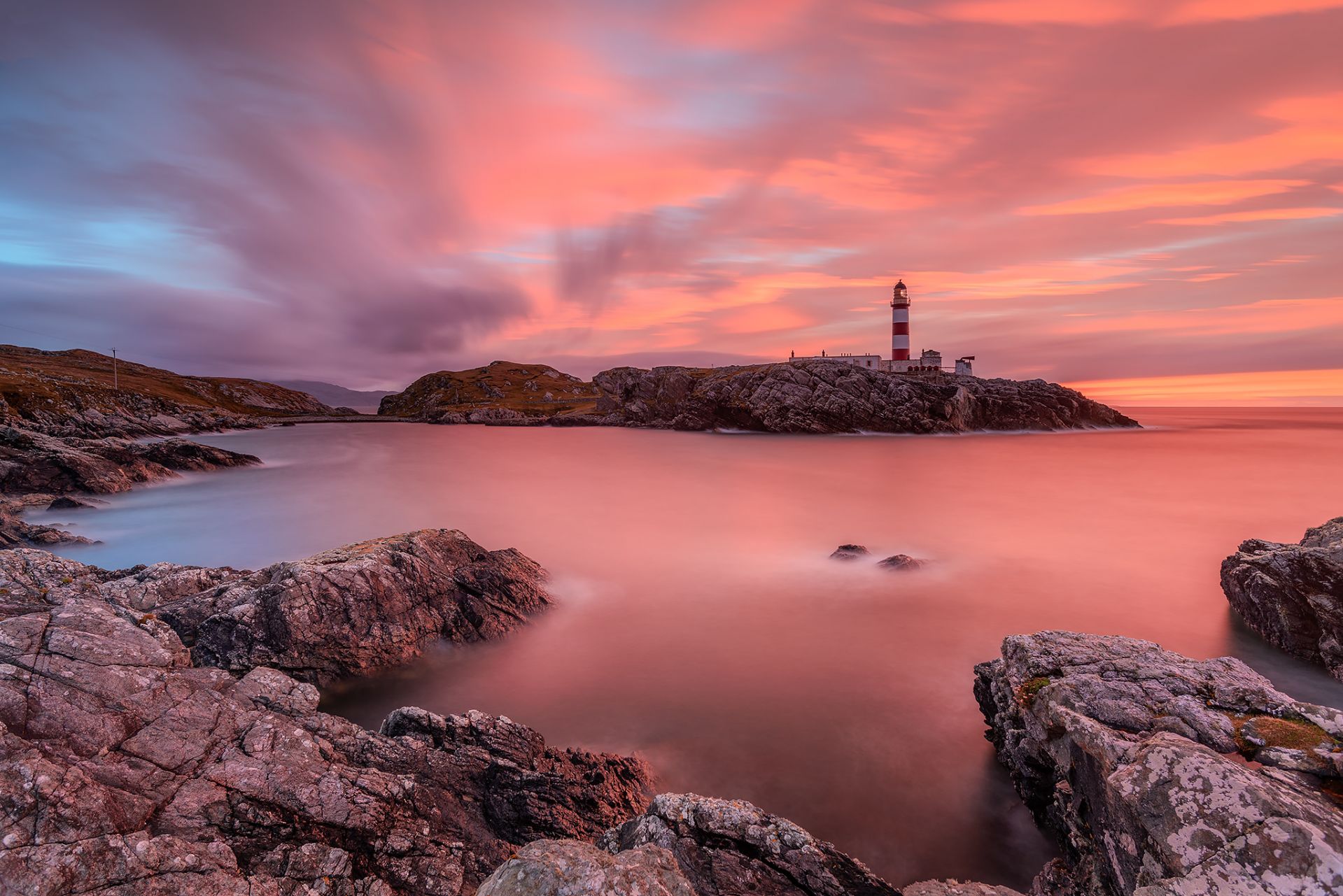
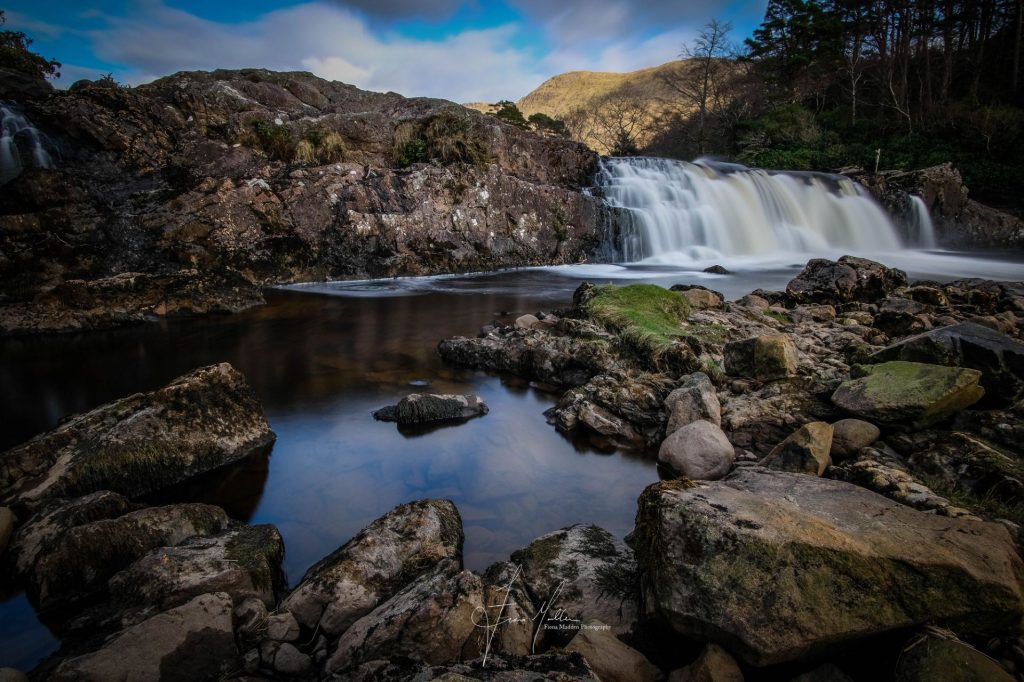
We all long for that beautiful landscape shot that looks like time is standing still, rough water turned glassy and skies that look painted. This is all possible though a 10 stop Neutral Density filter. Kinda like massive thick sunglasses for your camera so you can leave the shutter open for long periods of time. All you need then is a decent tripod and some scenery!
1. SUPER WIDE SCENERY
Mainly I take landscapes with Fujifilm's super wide 10-24mm. The more landscape you can fit into these images the better. You can start by looking for good detail in rocks, or interesting foreground, or anything that water will move around. Remember when water has places to go it will create such interesting patterns when the shutter is open for so long. Even the most simple and basic photos can turn into colourful in depth beauty that nature provides with moving water.

2. MOVING WATER
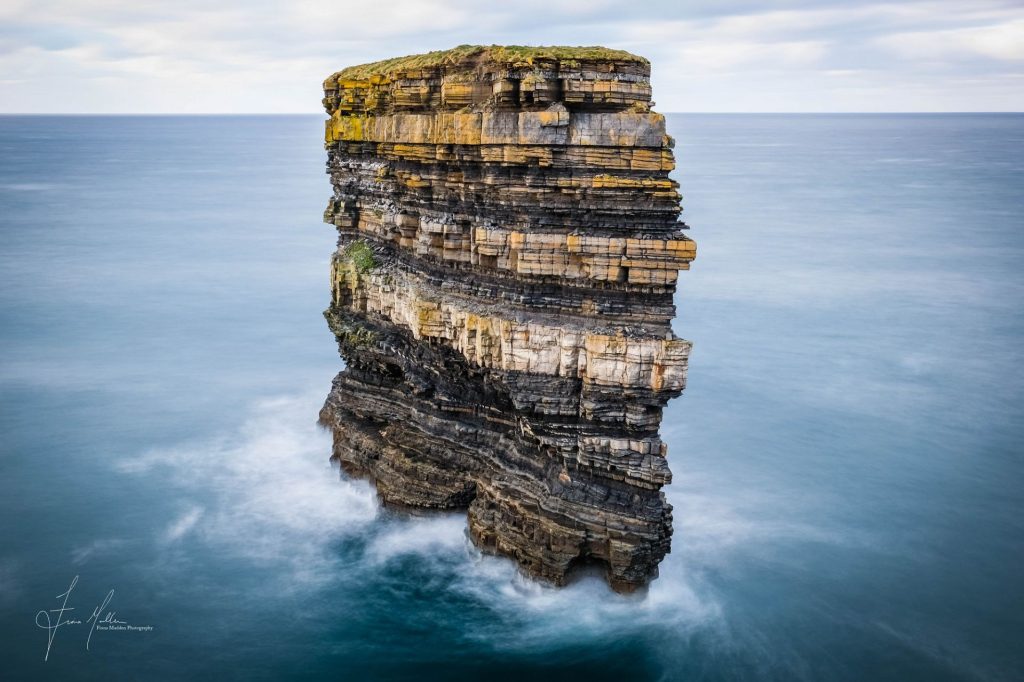
Any type of fast or slow moving water can look stunning on a long exposure. With fast moving ocean water you will get the white wash patterns where the waves breaks around the feature. With slow moving water, the entire image looks like it turns into glass. Win win either way, so it means you can shoot in almost any conditions!

3. GREAT CLOUDS
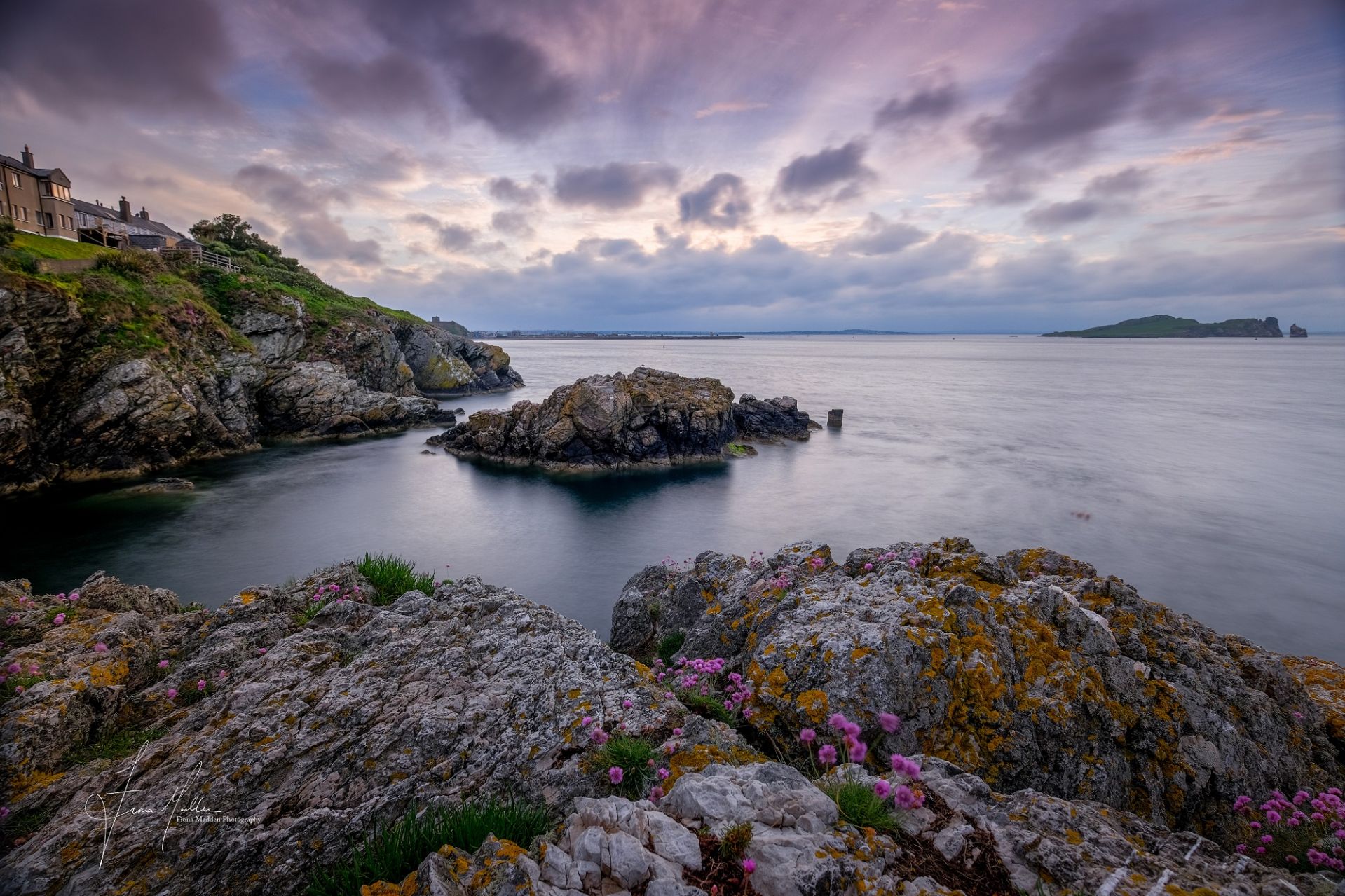
Clouds can add so much detail to a long exposure shot. Especially if they are moving in any way fast. Some of the best sunset photos I've taken, had fast moving pink fluffies, leaving streaks of colour and painted brush strokes behind them. Cloud detail isn't essential but you can see how much it adds to make a truly dynamic photo. If the sky is still too bright to slow down the water that much, consider getting a graduated filter for the sky or if you don't have one, you can bracket 3 shots into one for a merged, perfectly exposed photo.
4. FIND A HUMAN
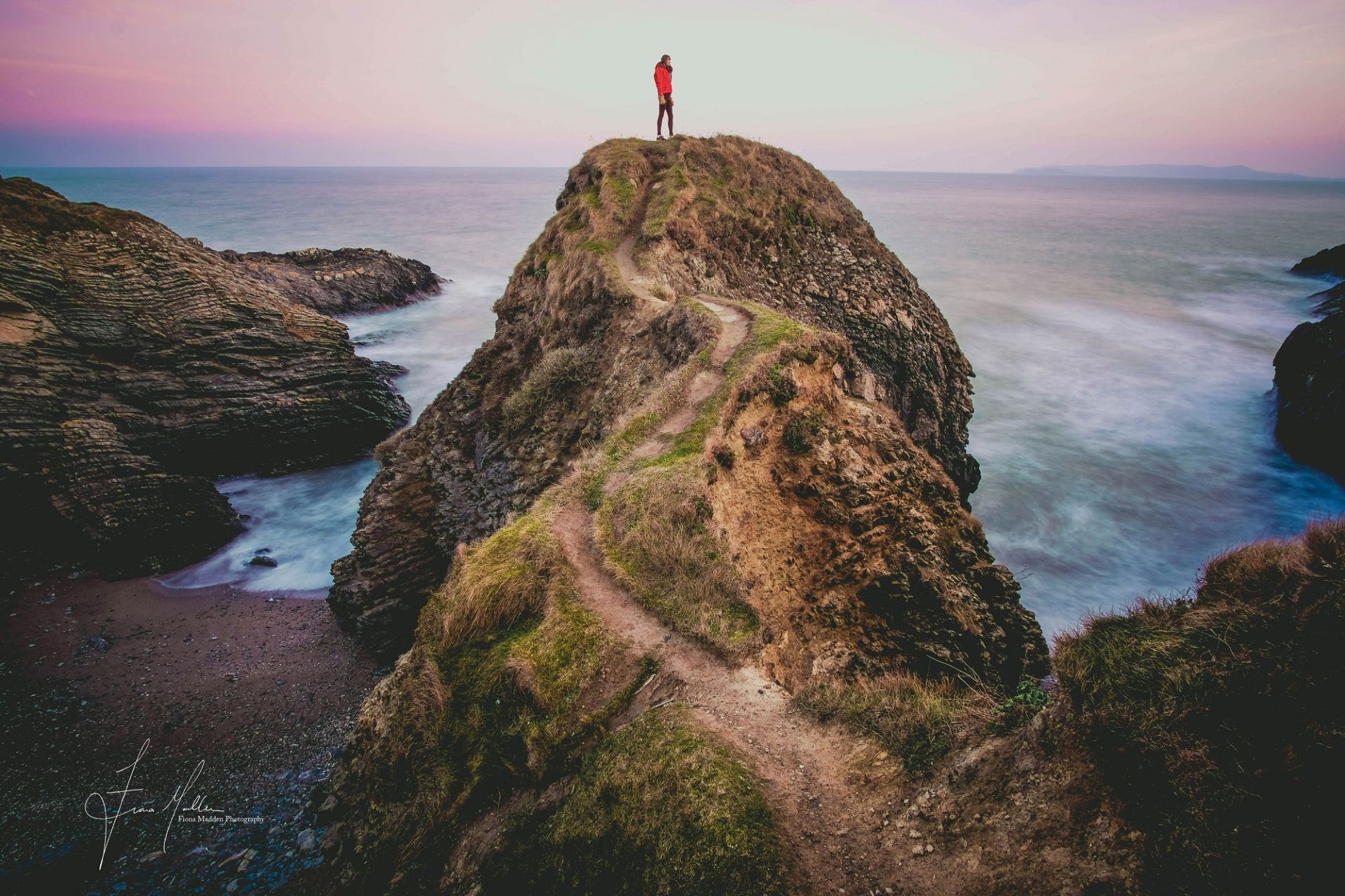
If you have a friend who can stand really still (bet you never thought that was a useful character trait) you must borrow them. If they can stand still, in a world of everything else that is moving you will strike the viewers interest. Bare feet, down at the beach as the water moves around them, or on a cliff edge as rough water surges below. Anything that looks dramatic, while the subject stays still would create a really interesting photo! Have fun!
5. BONUS TIP
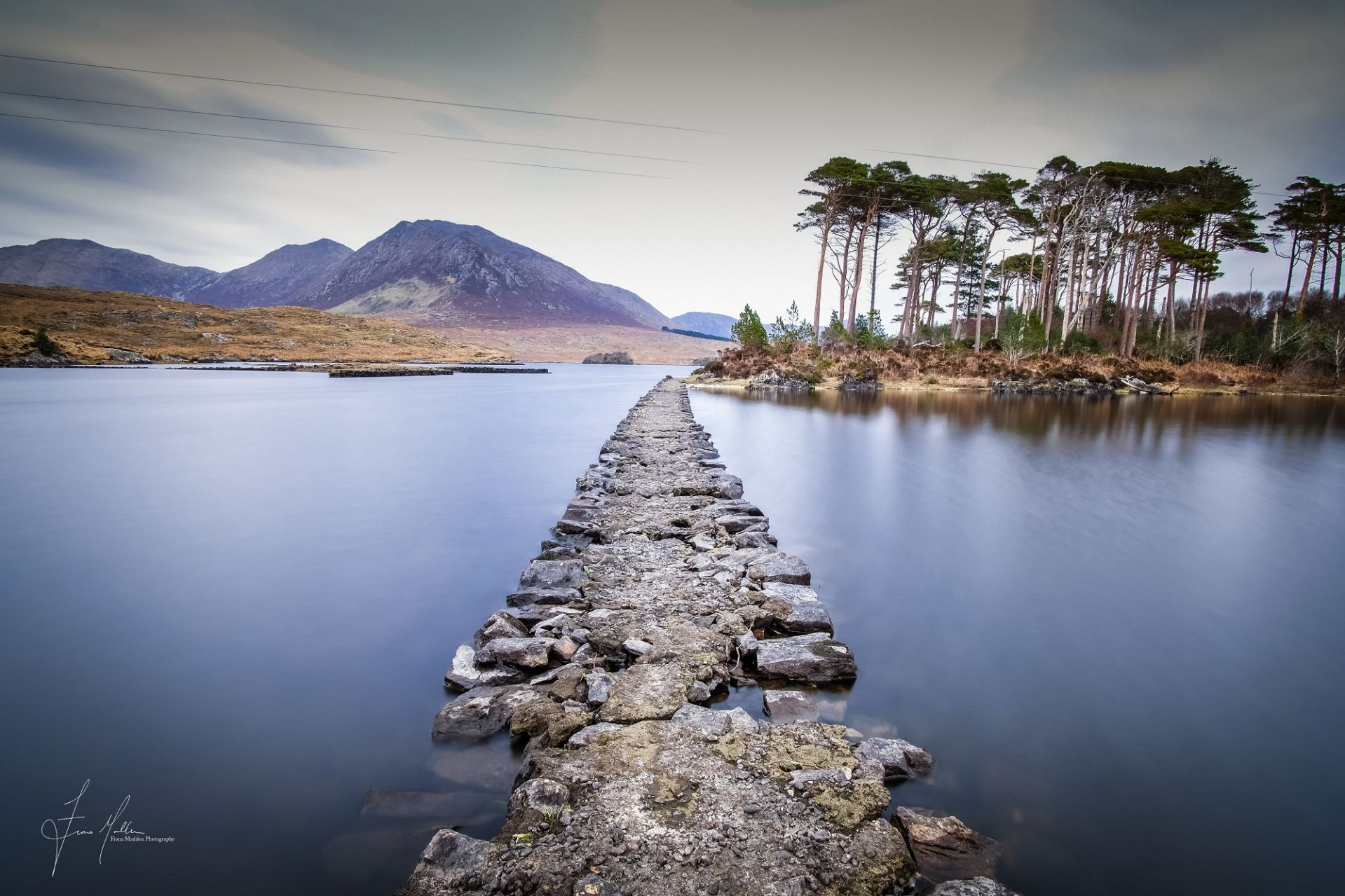
Making sure that expensive piece of thick glass is spotless before sliding it into it's holder seems obvious but hey! A rocket duster between shots or a quick check on the glass will save work later in photoshop. If it's really windy, you can weigh the tripod down with Wait until you think it's almost too dark to shoot and then take your shot...ISO as low as possible!
Discount Applied Successfully!
Your savings have been added to the cart.